


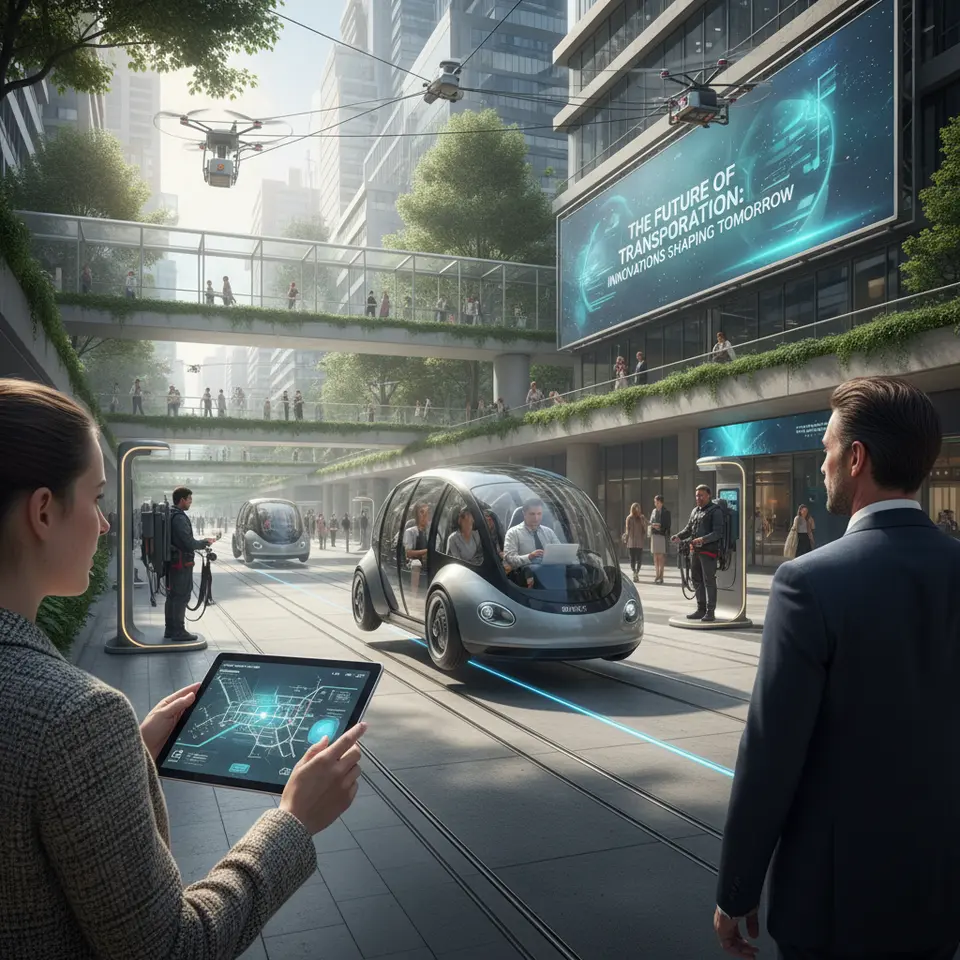
In today’s digital landscape, the future of transportation is being redefined by a wave of disruptive advances that promise cleaner, smarter, and more efficient mobility. Across cities and rural regions alike, growing environmental concerns and rapid technological developments are converging to reshape how individuals and goods traverse the globe. From battery-electric vehicles and self-driving shuttles to advanced rail networks and integrated urban systems, each breakthrough is a building block in a comprehensive sustainable mobility framework. This year (2026), stakeholders—from policymakers and researchers to manufacturers and commuters—are collaborating to implement solutions that address congestion, reduce carbon emissions, and enhance accessibility for all communities.
Electric Vehicles and the Road Toward Sustainability
Electric vehicles (EVs) have advanced from niche curiosities to mainstream contenders in the automotive marketplace. Improvements in lithium-ion cell chemistry and solid-state prototypes are extending driving ranges beyond 350 miles on a single charge. Meanwhile, charging infrastructure expansion—driven by public–private partnerships and government incentives—has lowered “range anxiety” and made recharging as convenient as fueling at traditional gas stations. At the federal level, the U.S. Department of Transportation’s initiatives (transportation.gov) support the rollout of thousands of high-power charging stations along major corridors.
Major automakers are investing billions in EV platforms, unveiling models that range from compact urban commuters to heavy-duty cargo trucks. Tax credits and rebates offered by state agencies further accelerate consumer adoption. Beyond personal cars, transit agencies are electrifying bus fleets, cutting urban air pollution and noise. Logistics providers in metropolitan areas are piloting electric vans and semis to manage last-mile deliveries, reducing emissions where pollution is most concentrated.
Another critical development involves second-life battery applications: once a pack’s capacity declines below a threshold for automotive use, it can be repurposed for energy storage in solar microgrids or backup systems. Recycling programs, mandated by emerging regulations, ensure that valuable materials such as nickel, cobalt, and lithium are recovered efficiently. As these processes mature, the environmental footprint of the entire EV lifecycle will narrow, positioning battery-electric technology as a cornerstone of sustainable mobility.
Autonomous Mobility: Redefining Safety and Accessibility
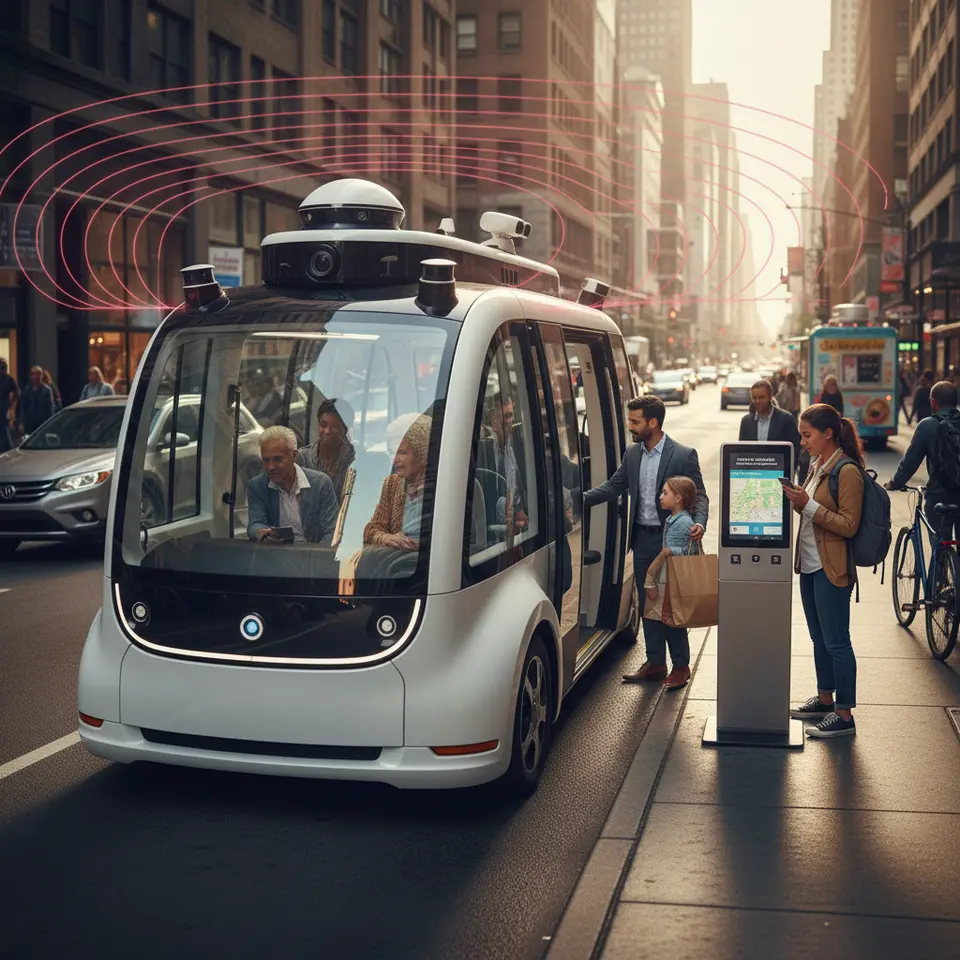
Self-driving technology stands poised to transform transportation safety and convenience. Advanced Driver-Assistance Systems (ADAS) are already commonplace, offering features like adaptive cruise control and automated lane-centering. Pushing beyond these driver-aid tools, fully autonomous shuttles and ride-hailing fleets are undergoing real-world trials in urban districts. These pilot programs leverage a combination of LiDAR, radar, camera arrays, and AI-driven decision engines to interpret surroundings and react within milliseconds.
By removing human error from critical tasks, autonomous systems can dramatically decrease accident rates. Researchers at leading institutions such as the Massachusetts Institute of Technology have documented that automated braking and collision avoidance can reduce rear-end collisions by over 40%. Moreover, autonomous transit solutions unlock mobility for seniors, individuals with disabilities, and those without driving licenses, promoting equity in transportation access.
Regulatory bodies are currently shaping frameworks that balance innovation with public safety. Over-the-air software updates and digital twins of road networks facilitate continuous improvement of autonomous algorithms. In constrained environments—such as university campuses and corporate parks—driverless shuttles are providing on-demand routes, optimizing vehicle utilization and offering first- and last-mile solutions that integrate smoothly with larger transit systems.
High-Speed Rail and Regional Connectivity
High-speed rail (HSR) networks offer a low-carbon alternative to air travel and highway congestion on medium-range routes. Trains operating at sustained speeds above 200 miles per hour are already established in several regions. Innovations in train aerodynamics, lightweight composite materials, and magnetic levitation prototypes are pushing potential velocities beyond 250 mph. Rail corridors that once took multiple hours by car can now be traversed in less than half the time, making HSR highly competitive with short-haul flights in terms of door-to-door travel experience.
Current projects aim to extend networks between major metropolitan areas, easing pressure on busy airports and highways. Stations designed as intermodal hubs spur transit-oriented development, offering seamless connections with local buses, light rail, and micro-mobility services. In Europe and Asia, HSR ridership has been linked to positive economic uplift in surrounding towns, while studies published by the International Energy Agency (iea.org) highlight the significant CO₂ reductions achieved when shifting passengers from planes to electric-powered rail.
Moreover, cutting-edge signaling systems and predictive maintenance protocols ensure high reliability and safety. Digital control centers monitor vibration, track integrity, and environmental conditions in real time, enabling proactive interventions that minimize downtime. As funding and political support grow, high-speed rail will play an expanding role in creating efficient, integrated regional corridors that serve both urban and rural populations.
Reimagining Urban Transit for Growing Cities
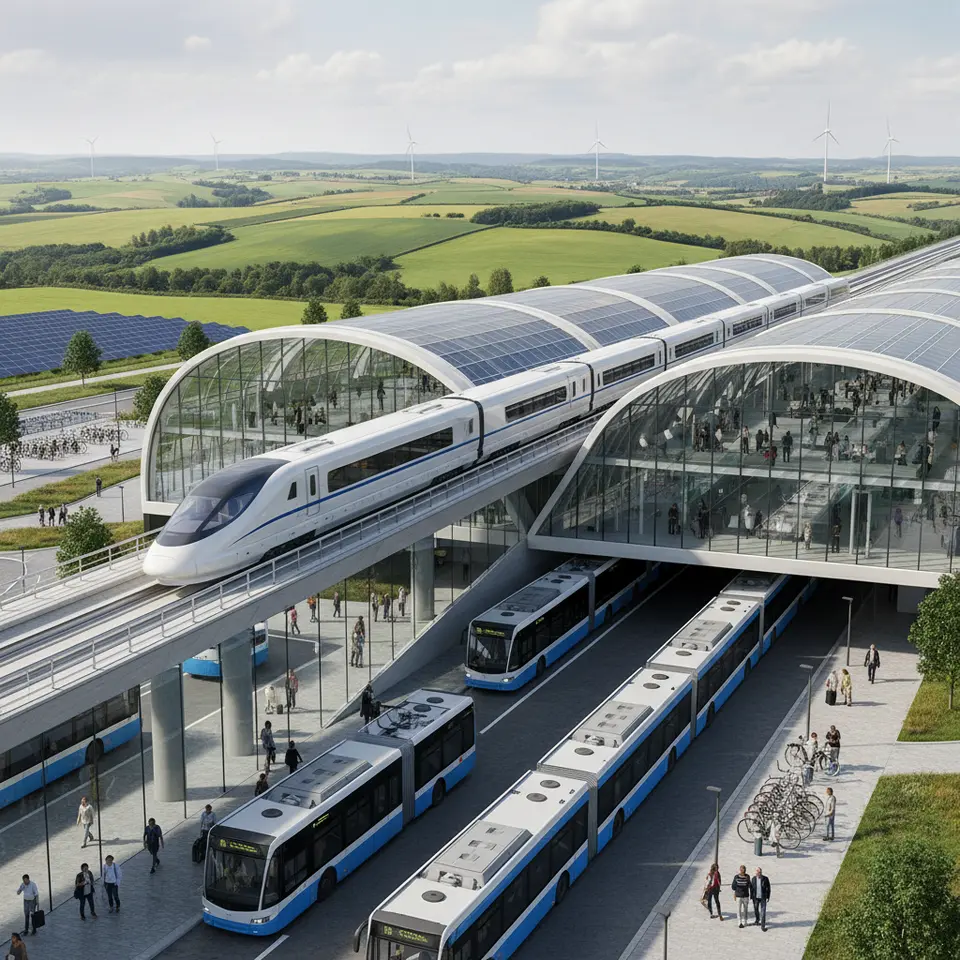
Rapid urbanization places immense pressure on existing public transit networks. To keep pace, cities are deploying solutions like bus rapid transit (BRT) with dedicated lanes and off-board fare collection, light rail expansions, and modern metro lines. These systems move higher passenger volumes at lower per-capita emissions compared to individual automobiles.
Technological enhancements—such as real-time passenger information, predictive analytics, and contactless fare media—boost convenience and operational efficiency. Data platforms analyze ridership patterns, allowing agencies to adjust vehicle frequencies and routes dynamically. Predictive maintenance powered by IoT sensors alerts technicians to wear and tear before failures occur, maximizing asset uptime and reducing maintenance costs.
To address equity, on-demand microtransit pilots provide flexible, app-driven shuttle services in underserved neighborhoods. These adaptable routes bridge gaps to transit hubs, ensuring seniors, people with disabilities, and low-income residents enjoy reliable access to jobs, healthcare, and education. By integrating all modalities—buses, trains, micro-mobility, and ride-share—into a unified fare system, urban planners are crafting seamless door-to-door journeys that prioritize people over cars.
Micro-Mobility and Seamless Last-Mile Integration
Short-distance travel demands nimble, cost-effective solutions. Electric scooters, bike-share programs, and dockless e-bikes are filling that niche, providing point-to-point trips for the last mile of a commute. Users unlock vehicles via smartphone apps, while GPS tracking and IoT connectivity enable operators to monitor location, battery status, and maintenance needs.
Advanced fleet-management algorithms balance vehicle distribution across neighborhoods, reducing clustering and ensuring availability where demand peaks. Incentivized rebalancing programs encourage riders to park in designated zones, minimizing sidewalk clutter and safety risks. In corporate campuses and gated communities, autonomous micro-shuttles—compact electric pods—are entering pilot phases, blending the convenience of personal mobility with driverless operation.
When integrated with public transit schedules and payment platforms, micro-mobility modes become part of a multimodal ecosystem. Journeys can start with an electric scooter ride to a transit station, continue via metro, and end with a shared autonomous shuttle, all coordinated through unified apps. This frictionless connectivity enhances overall network efficiency and reduces reliance on private cars.
Frequently Asked Questions
What technological improvements are extending the range of electric vehicles?
Advances in lithium-ion cell chemistry and solid-state prototypes are boosting EV driving ranges beyond 350 miles on a single charge, while expanding charging infrastructure alleviates range anxiety.
How do autonomous shuttles enhance accessibility?
By leveraging LiDAR, radar, and AI-driven decision-making, driverless shuttles reduce accidents caused by human error and offer mobility options for seniors, people with disabilities, and those without licenses.
Why is micro-mobility important for urban transit systems?
Electric scooters, bike-share, and autonomous pods provide cost-effective last-mile solutions, integrating with public transit schedules and unified payment apps to create seamless door-to-door journeys.
Conclusion
As we navigate the future of transportation, the convergence of electrification, autonomy, high-speed rail, urban transit modernization, and micro-mobility is creating a holistic ecosystem that prioritizes sustainability and accessibility. Collaboration among governments, research institutions, and industry leaders remains essential to tackle infrastructure upgrades, regulatory challenges, and equitable access. By focusing on integrated solutions and leveraging cutting-edge technologies, we can build a mobility network that meets the needs of people and the planet alike, ensuring cleaner air, reduced congestion, and inclusive travel for everyone.
