


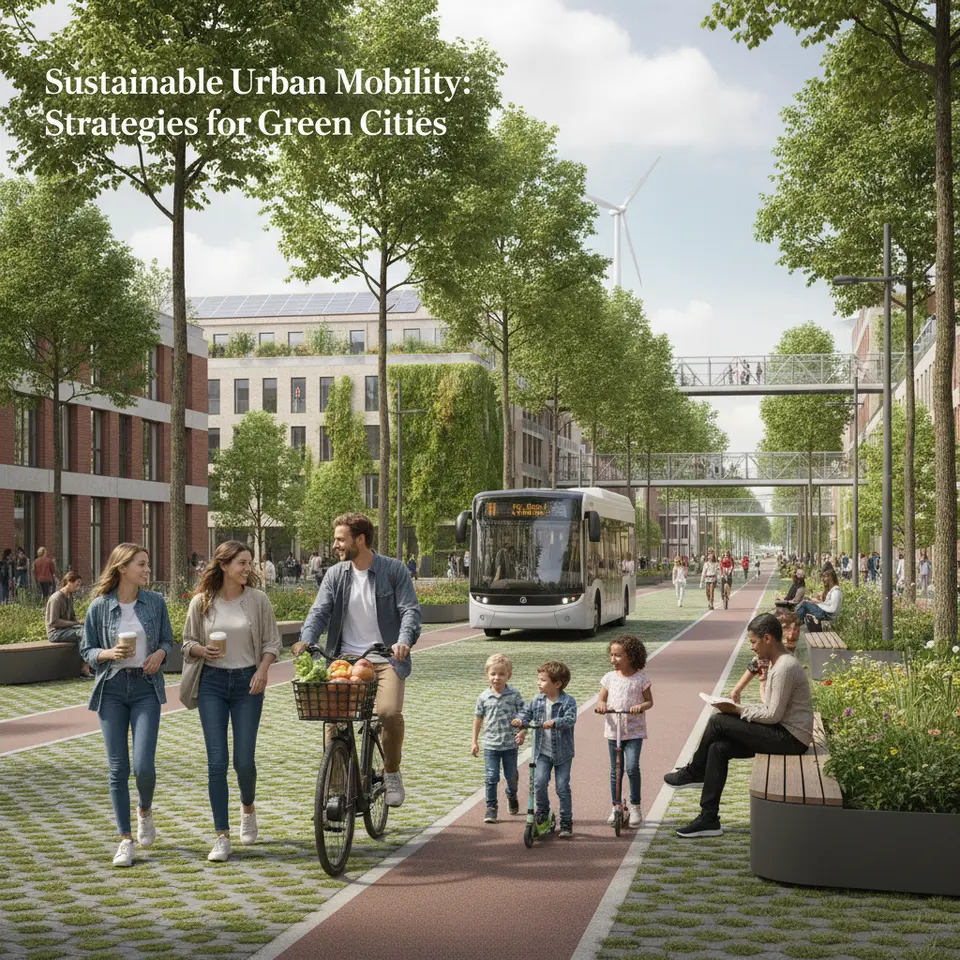
In today’s digital landscape, cities around the globe face unprecedented pressure to accommodate growing populations while limiting environmental impact. Sustainable urban mobility has become a central theme in planning conversations—in fact, sustainable urban mobility is the focus for municipalities striving to reduce congestion, improve air quality, and ensure equitable access for all residents. As governments, urban planners, and communities consider innovative strategies, they must integrate technology, infrastructure design, and policy frameworks that support cleaner, more efficient transport systems.
Currently, urban transportation systems contribute a significant share of greenhouse gas emissions, and improving mobility is an urgent priority. This year (2026), stakeholders in transport, public health, and environmental sectors are collaborating to develop holistic approaches that balance economic growth with environmental stewardship. By exploring the latest research from institutions such as the United Nations and deploying best practices shared by leading universities like MIT, cities can reimagine travel modes and reshape urban landscapes.
This comprehensive article will examine key strategies for advancing sustainable urban mobility. We will outline the foundational principles, analyze the principal challenges, and highlight core innovations—from electrification and public transit upgrades to active travel infrastructure and robust policy measures. By the end, readers will have actionable insights to guide decision-making and foster green cities where people can move freely without compromising the planet’s future.
Understanding and Principles of Sustainable Urban Mobility
Sustainable urban mobility refers to transportation approaches designed to satisfy present mobility needs without harming future generations. By prioritizing the reduction of greenhouse gas emissions, fostering social equity, and enhancing economic efficiency, planners can ensure that urban travel systems remain resilient and inclusive. At the heart of sustainable urban mobility lies multimodality: encouraging shifts from private car usage toward public transit, cycling, and walking.
Key principles include minimizing environmental impact by deploying low- or zero-emission vehicles, optimizing land use planning to reduce travel distances, and ensuring affordable access to services for all demographic groups. Equity considerations demand careful mapping of underserved neighborhoods to close mobility gaps. For example, data-driven analyses of travel patterns and real-time transit monitoring can highlight corridors where investments would yield the greatest benefits.
Moreover, integrated land-use strategies support compact, mixed-use development that places housing, employment, and amenities within easy reach of transit stations. Transit-Oriented Development (TOD) exemplifies this approach by clustering commercial and residential spaces around rail or bus hubs. These measures reduce the need for long commutes, cut vehicle miles traveled, and improve overall quality of life.
Performance metrics are essential for gauging progress. Cities currently track indicators such as average travel speeds, transit ridership levels, air pollutant concentrations, and modal share percentages for cycling and walking. Benchmarking against these indicators—and sharing the data transparently—enables continuous improvement and holds stakeholders accountable.
Key Challenges in Urban Transportation
Despite clear benefits, implementing sustainable urban mobility strategies encounters significant obstacles. Rapid urbanization intensifies the demand for transportation infrastructure, often outpacing the capacity of existing road networks and public transit systems. In many cities, fragmented governance structures hinder cohesive planning, leading to inconsistent regulations across neighboring jurisdictions.
Financial constraints represent another major barrier. Expanding rail lines, building protected cycling lanes, and upgrading fleets to zero-emission vehicles require substantial capital investments. Competing budget priorities—such as healthcare, education, and public safety—can delay or derail transportation projects. To bridge funding gaps, some municipalities explore public–private partnerships or issue green bonds, tapping into climate finance markets to lower borrowing costs.
Technological hurdles also emerge when integrating new systems with legacy infrastructure. For instance, retrofitting street networks to support Bus Rapid Transit (BRT) may involve complex utility relocations or land acquisitions. Similarly, deploying smart traffic management platforms requires robust data-sharing agreements among transit agencies, telecom providers, and municipal IT departments.
Social acceptance and behavioral inertia pose further challenges. Many residents remain attached to private car ownership due to perceived convenience, status, or safety. Overcoming these preferences demands targeted outreach campaigns, trial programs such as car-free days, and demonstration projects that showcase the advantages of alternative modes. By working closely with community organizations and leveraging insights from behavioral science, planners can craft effective incentives and educational initiatives that gradually shift travel habits.
Electrification and Innovation: EVs and Smart Infrastructure
Electric vehicles (EVs) have emerged as a cornerstone of sustainable urban mobility. By eliminating tailpipe emissions and reducing noise pollution, EVs contribute directly to cleaner, quieter streets. In today’s competitive vehicle market, improving battery technologies and declining procurement costs facilitate mainstream EV adoption for private cars, public buses, and commercial fleets.
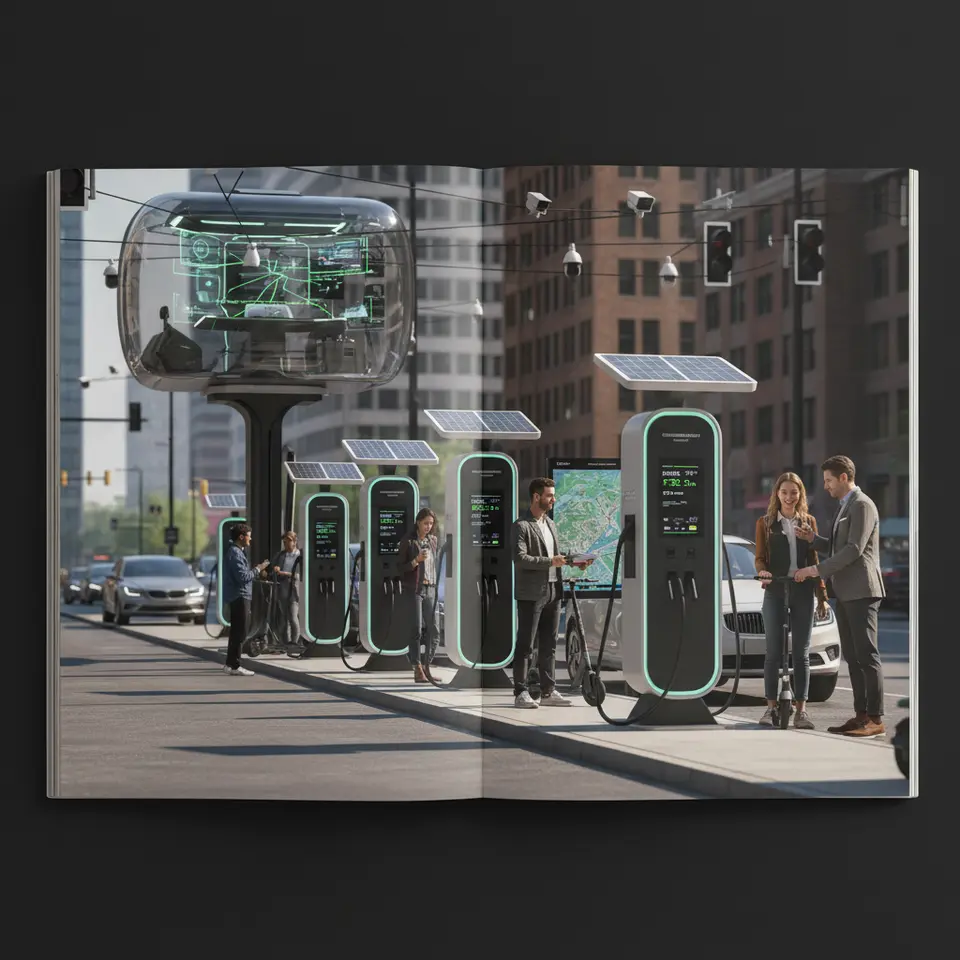
Crucial to this transition is the build-out of charging infrastructure. Cities are installing fast-charging stations along major corridors and integrating smart chargers in residential areas. These networked chargers communicate with grid operators to optimize electricity flows, minimizing peak loads and enabling vehicle-to-grid (V2G) functionality. V2G allows parked EVs to return stored energy to the grid during high-demand periods, enhancing reliability and offering new revenue streams to owners.
Several authoritative bodies outline best practices for EV infrastructure planning. The U.S. Environmental Protection Agency provides guidance on station siting, interoperability standards, and safety protocols. By following such frameworks, municipalities ensure that charging networks remain resilient, equitable, and accessible to diverse user groups.
Beyond electrification, smart infrastructure investments are transforming how cities manage traffic. Intelligent Transport Systems (ITS) leverage sensors, connected vehicle data, and artificial intelligence to dynamically adjust signal timings, reroute flows around incidents, and provide real-time traveler information. Integration with mobile apps allows drivers to receive updates on parking availability, congestion levels, and public transit schedules, reducing search time and emissions from idling vehicles.
By combining EV deployment with smart systems, cities unlock synergies that enhance overall performance. For instance, EVs participating in V2G can smooth grid fluctuations that result from solar or wind variability, while ITS platforms can prioritize charging station access during off-peak hours, further aligning mobility and energy objectives.
Enhancing Public Transit and Active Travel
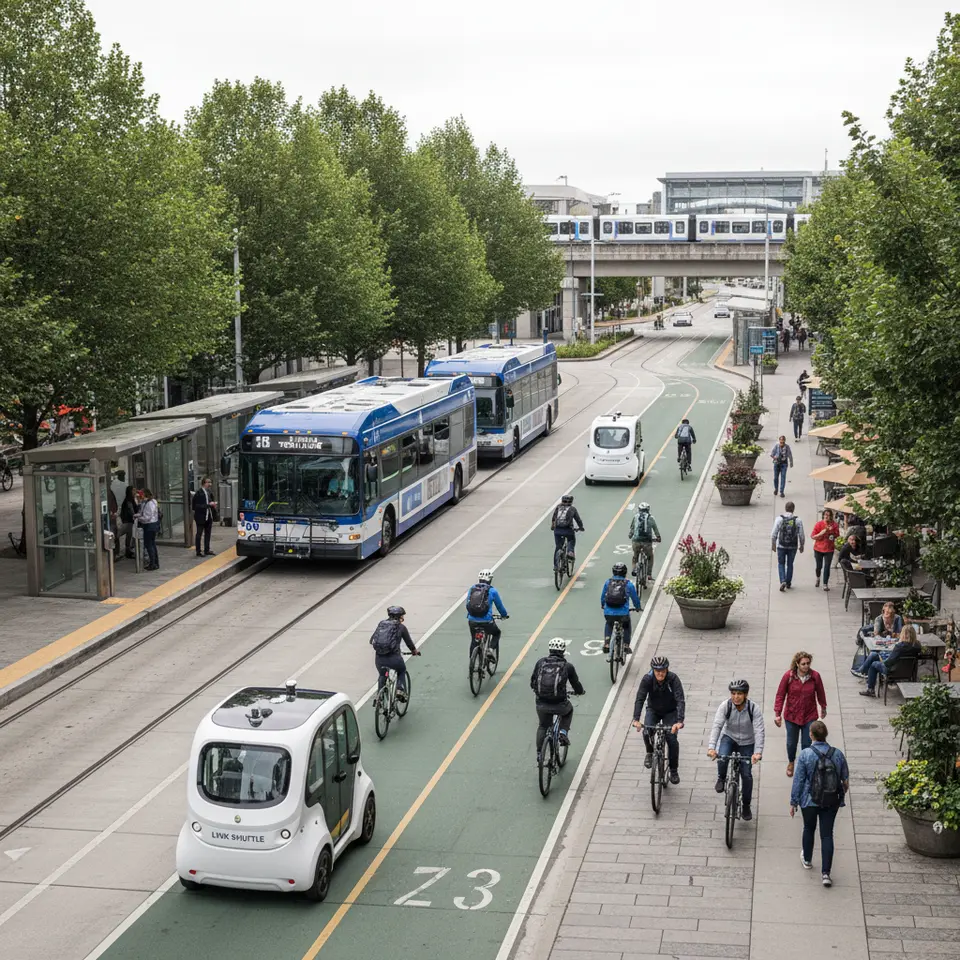
High-quality public transit remains indispensable for sustainable urban mobility. Bus Rapid Transit (BRT), light rail, and metro systems offer high-capacity corridors that can move thousands of passengers per hour, reducing reliance on private cars. Modern BRT corridors feature segregated lanes, off-board fare collection, and priority signaling, ensuring speed and reliability comparable to rail at a fraction of the cost.
For feeder connections, on-demand microtransit or shared shuttle services fill first- and last-mile gaps. These flexible modes operate in areas with lower demand density, linking riders to main transit hubs and optimizing vehicle utilization. Mobile ticketing and integrated journey-planning apps simplify payments and streamline transfers, enhancing user convenience.
Active travel—walking and cycling—offers complementary benefits. Investments in protected bike lanes, widened sidewalks, and pedestrian plazas create safe, inviting corridors that encourage mode shifts. Cities like Copenhagen and Amsterdam have demonstrated that sustained funding, combined with traffic calming measures and visible enforcement, can yield modal shares for cycling exceeding 30 percent.
Parking management is another lever for encouraging active and shared travel. By reducing minimum parking requirements for new developments and implementing dynamic pricing for on-street spaces, municipalities can discourage unnecessary car trips. Revenue from parking fees can be reinvested into transit and active travel infrastructure, creating a virtuous cycle.
Policy, Planning, and Community Engagement
Effective policy frameworks are essential to institutionalize sustainable urban mobility. Comprehensive mobility plans align land-use, environmental, and economic objectives, fostering compact, mixed-use neighborhoods that reduce travel distances. Zoning reforms can mandate higher densities near transit stations and limit parking supply to disincentivize car dependency.
Governance structures that promote interagency coordination help streamline decision-making. Regional transport authorities, municipal planning departments, and utility companies must share data and collaborate on joint projects. Transparent mechanisms for public consultation—including online portals and participatory workshops—ensure that plans reflect diverse voices and build local support.
Community engagement also drives behavior change. Educational campaigns, co-created pilot projects, and ‘pop-up’ street transformations provide tangible experiences of greener mobility options. Schools and workplaces can partner on programs like Walk-to-School challenges or employer-subsidized transit passes, fostering sustainable travel habits across generations.
Financing tools such as green bonds, climate funds, and mobility-as-a-service (MaaS) subscriptions offer innovative revenue streams. By issuing bonds tied to sustainable transport outcomes, cities can attract private investors seeking environmental, social, and governance (ESG) returns. Mobility subscription models bundle transit, bike-share, and car-share services under single payments, further incentivizing multi-modal travel.
Ultimately, achieving sustainable urban mobility demands a holistic approach. By uniting technology, policy, and public participation, cities can build transport ecosystems that meet the mobility needs of today without compromising tomorrow—fully embracing the promise of green, resilient, and inclusive urban futures.
FAQ
Q1: What are the core benefits of sustainable urban mobility?
Sustainable urban mobility reduces greenhouse gas emissions, improves air quality, alleviates traffic congestion, and promotes social equity by ensuring that all residents have affordable and reliable access to transportation services.
Q2: How can cities fund large-scale mobility projects?
Cities can leverage public–private partnerships, issue green bonds, tap into climate finance, and implement dynamic pricing for services like parking to generate revenue. Additionally, mobility-as-a-service (MaaS) subscriptions and grants from environmental agencies offer alternative funding sources.
Q3: What role does community engagement play in mobility planning?
Community engagement ensures that mobility plans reflect diverse needs and fosters public support. Tactics such as workshops, pilot programs, and educational campaigns help residents experience alternative modes first-hand and build momentum for lasting behavioral change.
Conclusion
Advancing sustainable urban mobility is a multifaceted challenge that demands collaboration among planners, policymakers, private sector partners, and local communities. Today, cities have access to proven strategies—ranging from electrification and smart traffic management to public transit enhancements and active travel infrastructure—that collectively reduce emissions, ease congestion, and promote healthier lifestyles.
By grounding decisions in data-driven insights, transparent governance, and inclusive engagement, urban areas can overcome financial and institutional hurdles. The focus on sustainable urban mobility inspires bold policy reforms, innovative funding mechanisms, and behavioral initiatives that yield lasting change. As we navigate the complexities of urban growth in this year (2026), embracing an integrated approach to mobility will unlock cleaner air, economic opportunities, and enhanced quality of life for all residents.
Now is the moment to act. Stakeholders across sectors must seize the momentum and work together to transform transport systems into engines of sustainability and equity. With clear goals, robust investments, and unwavering commitment, the journey toward greener, more accessible urban mobility is within reach—let us move forward today and pave the way for thriving, resilient cities tomorrow.
