


Affordable transportation services like public transit, ride-sharing, biking, and carpooling help reduce commuting costs and environmental impact. By combining smart travel choices and technology, individuals can save money while maintaining convenience and mobility.
Getting around your city shouldn’t compromise your financial goals. For many households, transit costs represent one of the largest monthly expenses, trailing closely behind housing and food. Fuel prices fluctuate, vehicle maintenance costs continue to climb, and rideshare fees can quickly add up over a busy week. Finding affordable transportation services is essential for maintaining a healthy budget.
You have numerous options to reduce these expenses without sacrificing convenience or safety. By exploring different cheap transportation methods, you can significantly lower your monthly spending and even reduce your carbon footprint at the same time. This comprehensive guide will help you navigate the wide variety of affordable transportation services available right now. You will learn practical strategies for maximizing public transit, using low-cost ride services smartly, minimizing the hidden costs of vehicle ownership, and integrating healthy habits like biking into your routine.
Public Transportation: An Economical Choice
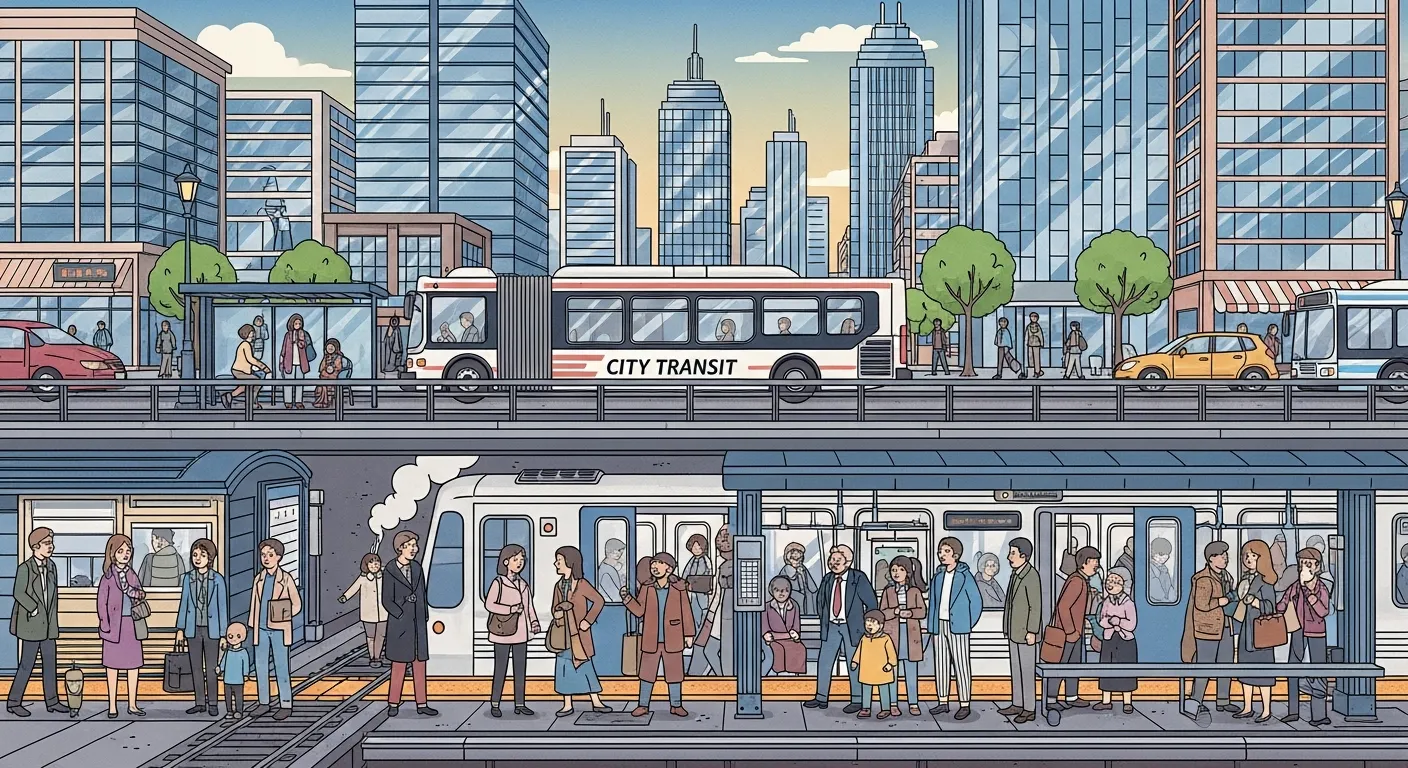
Public transit remains one of the most reliable and budget-friendly ways to commute. Utilizing these networks allows you to bypass the expenses associated with gas, parking, and vehicle depreciation. When cities invest in making transit appealing, everyone benefits. If you are curious about urban planning improvements, you can explore strategies on how to make public transport an attractive option in your city to see how communities are shifting toward better systems.
In metropolitan areas, the variety and efficiency of affordable transportation services are at the heart of keeping people and economies moving. Major cities like New York, London, and Tokyo have long relied on robust subway and bus systems to reduce individual car use. Meanwhile, growing urban centers are recognizing that investing in cheap transportation—especially improvements to accessibility, safety, and frequency—can dramatically lower overall transportation costs for residents.
Buses and Subways
City buses and subway networks offer incredible value for daily commuters looking for affordable local transport solutions. Choosing these methods provides immediate cost savings compared to driving a personal vehicle. You also contribute to a cleaner environment by reducing the number of cars on the road. Furthermore, taking public transit gives you valuable time back. You can read a book, catch up on emails, or listen to a podcast instead of navigating stressful traffic jams.
Concrete Examples
Consider a case study from Portland, Oregon, where residents switching from daily car usage to full-time bus commuting saved an average of $280 per month, factoring in gas, parking, and routine maintenance they no longer needed. For a family of four, discounts on monthly passes amounted to hundreds of dollars in annual savings, freeing up their budget for necessities and recreation.
Global events, such as economic downturns or fuel shortages, make affordable transportation services even more invaluable. Public transit systems often maintain stable fares even when other costs skyrocket, cushioning families from unexpected financial strain.
To maximize your savings, consider these strategies:
- Purchase monthly or annual transit passes for steep discounts.
- Travel during off-peak hours if your schedule allows.
- Look for employer-sponsored transit programs.
- Ask about student or senior citizen rates.
Accessibility and Inclusivity in Public Transit
Cities that invest in improving accessibility—offering low step entries, visual and auditory cues, and services for people with disabilities—expand affordable transportation services to all residents. For non-native speakers and newcomers, multilingual customer assistance or signage further supports equitable access.
Trains for Commuter and Regional Travel
For individuals living in the suburbs or traveling between cities, commuter and regional trains offer distinct advantages as budget travel and transport options. They are typically faster than buses and avoid highway congestion entirely. Trains provide a comfortable environment for longer distances, often equipped with Wi-Fi and power outlets for working on the go.
Real-Life Scenario
A commuter living in the outskirts of Boston reduced her annual commuting expenses by switching from driving to utilizing the regional rail network. Factoring in monthly passes and the negligible maintenance on her bicycle—used to reach the nearest station—her total transport costs dropped by almost 60%. Such stories are increasingly common in cities where separate transport modes are seamlessly integrated.
Finding deals on train travel requires a bit of planning. Purchasing tickets well in advance usually guarantees the lowest rates. Many regional rail networks also offer loyalty programs that accumulate points for free rides over time.
|
Transport Mode |
Pros |
Cons |
Best For |
|---|---|---|---|
|
City Bus |
Very cheap, extensive routes |
Subject to traffic delays |
Short to medium urban commutes |
|
Subway/Metro |
Fast, avoids traffic, frequent |
Limited to major cities |
Fast urban travel |
|
Regional Train |
Comfortable, good for long distances |
Can be pricier than buses |
Suburban commuters |
Ride-Sharing and Carpooling: Sharing the Cost
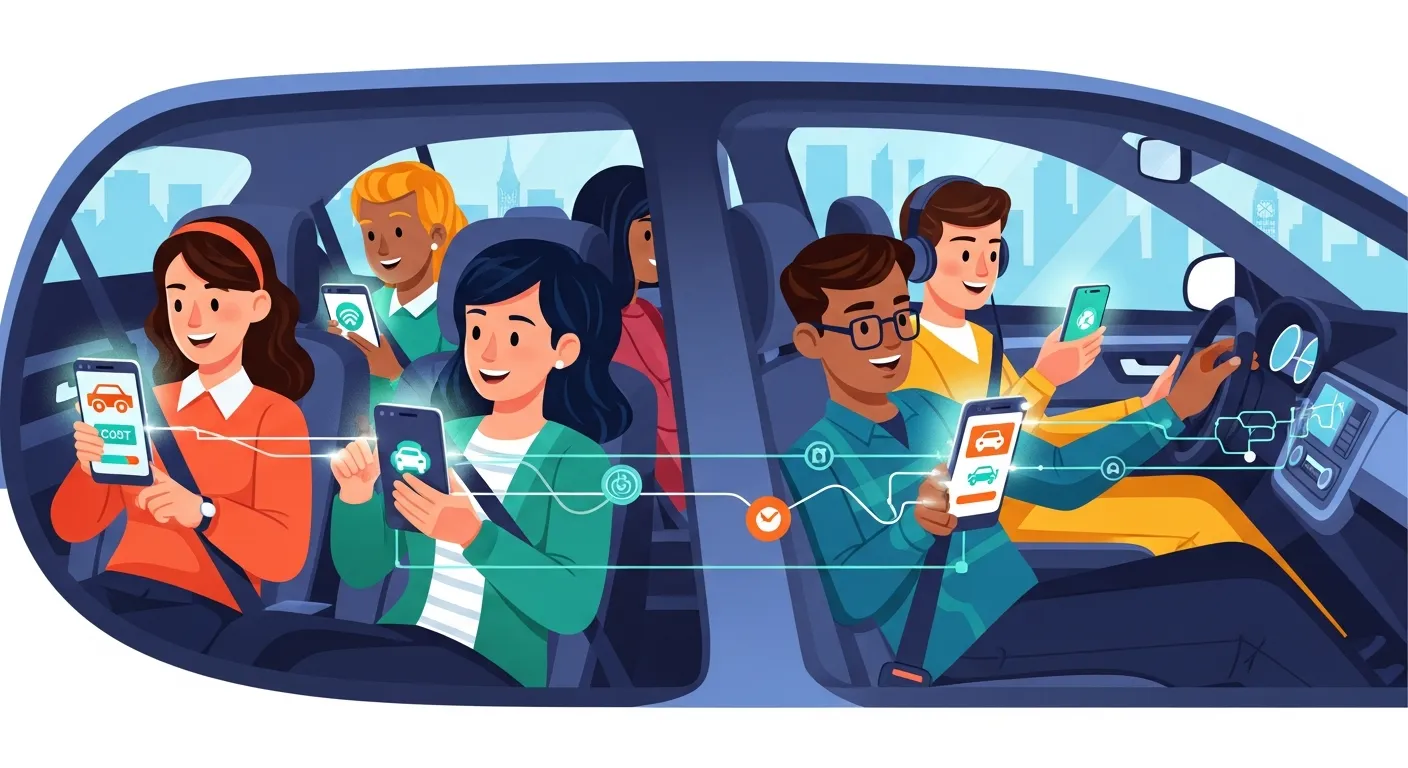
The gig economy introduced highly convenient ways to travel, but relying on them daily can become expensive. Fortunately, you can optimize these services to fit a tight budget, turning them into genuinely low cost ride services.
Ride-Sharing Apps
Applications like Uber and Lyft are famous for their convenience. Using them as affordable transportation services means taking advantage of their shared pool options. Selecting a pooled ride pairs you with other passengers heading in the same direction, which drastically reduces your individual fare. You should also keep an eye out for seasonal promotions, subscription plans, or credit card partnerships that offer cash back on rides.
Some cities have introduced local ride-sharing platforms that specifically target affordable transportation services for seniors or those in areas with less frequent public transit service. These platforms can bridge the gap between existing networks and affordable local transport solutions. For instance, Toronto’s community-based ride-share program provides a reliable, safe, and cheap transportation alternative for residents in transit deserts.
Safety remains an important consideration when using any ride-sharing service. Always verify the driver’s license plate and name before entering the vehicle. Share your trip status with a friend or family member directly through the app’s safety features.
Tips for Cutting Costs with Ride-Sharing:
- Use shared/pool ride options whenever possible.
- Stack discounts by using credit cards that offer ride-sharing perks.
- Plan your trips around surge pricing to avoid higher fares.
- Opt for ridesharing during hours when public transit is not available to maintain your budget.
Carpooling Networks
Formal and informal carpooling networks offer massive benefits for regular commuters seeking cheap transportation. Sharing a ride to the office cuts your fuel and toll costs by half, or even more if you ride with multiple people. Carpooling also grants you access to High Occupancy Vehicle (HOV) lanes, significantly reducing your travel time during peak hours.
Community-Led Carpool Success
In the San Francisco Bay Area, a regional carpool network has helped thousands of workers living in outer suburbs save both time and money. By sharing rides, they avoid hefty bridge tolls and qualify for discounted parking rates at commuter lots. Additionally, some employers offer priority parking or recognition programs for carpoolers, further encouraging participation.
You can find carpools through dedicated community boards, employer human resources departments, or specialized apps like Waze Carpool. If a network does not exist in your area, consider starting one by reaching out to coworkers who live in your neighborhood.
Biking and Walking: The Free and Healthy Options
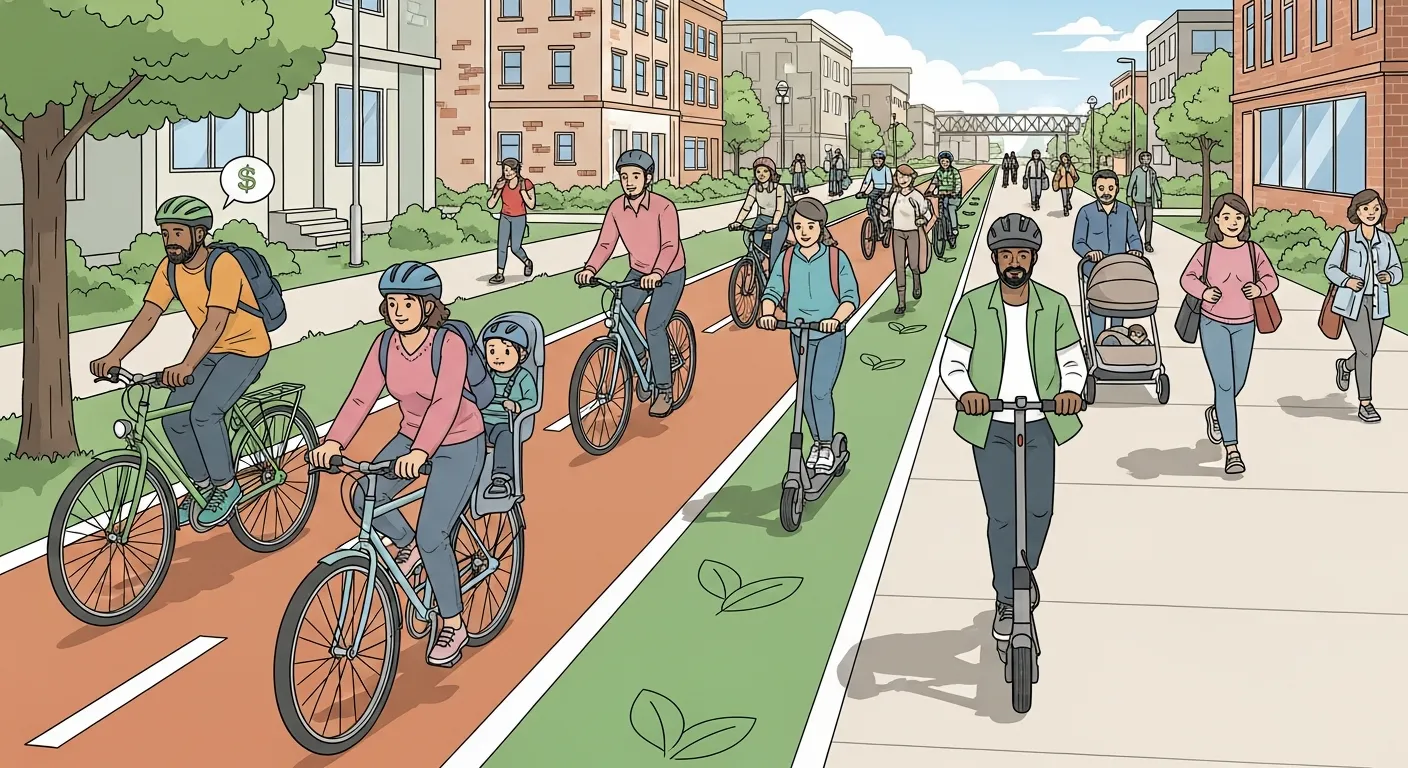
Human-powered transit is the ultimate form of affordable transportation services. Walking and cycling eliminate travel costs almost entirely while providing excellent physical benefits.
Health and Environmental Benefits
Incorporating walking or biking into your daily routine improves cardiovascular health, builds muscle, and reduces stress. These active transportation methods also produce zero emissions. By choosing to walk or bike, you directly improve the air quality in your community and reduce noise pollution.
Many cities support these benefits by building protected bike lanes, installing public bike repair stations, and hosting “open streets” events where cars are temporarily banned from major roads. These initiatives not only provide safe passage for cyclists and walkers but also encourage more people to adopt these healthy, cheap transportation options.
Unmatched Cost Savings
The financial benefits are undeniable. Once you purchase a reliable bicycle and basic safety gear, your daily commuting costs drop to zero. You never have to worry about fluctuating gas prices, expensive parking garage fees, or unexpected transit fare hikes.
A case study from Minneapolis, Minnesota, showed that employees who biked or walked to work saved an average of $1,200 annually compared to those who drove. Over five years, this resulted in a collective savings of over $6 million for participants in a city-wide workplace wellness program.
Tips for Safe Urban Biking and Walking
Safety is paramount when navigating busy city streets on foot or by bike.
- Always wear a high-quality helmet when cycling.
- Use bright, reflective clothing, especially during early morning or evening commutes.
- Equip your bicycle with strong front and rear lights.
- Utilize designated crosswalks and remain aware of turning vehicles at intersections.
- Plot your route ahead of time using dedicated bike lanes.
Bike-Sharing Programs
If you do not want to purchase or store your own bicycle, municipal bike-sharing programs are excellent affordable local transport solutions. Most major cities offer docked or dockless bicycles that you can rent by the minute or through an affordable monthly subscription. These programs are perfect for bridging the gap between a train station and your final destination.
Some bike-share schemes now offer e-bikes, making hilly commutes more accessible and expanding the appeal of affordable transportation services to broader demographics. In Paris, the Vélib’ program allows users to take advantage of thousands of bikes and e-bikes conveniently located across the city with flexible payment options.
Vehicle Ownership: Minimizing Costs
Owning a personal vehicle provides unmatched freedom, but it comes with a high price tag. If you must own a car, you can implement several strategies to keep your expenses manageable and mimic the benefits of affordable transportation services.
Buying Used Cars
Purchasing a brand-new vehicle results in rapid depreciation. Buying a reliable used car is a much smarter financial decision. When shopping the used market, prioritize vehicles with a documented maintenance history and strong reliability ratings. Always have an independent mechanic inspect the car before finalizing the purchase.
Expanding your search to certified pre-owned vehicles adds additional peace of mind—these often include extended warranties and have passed rigorous inspections. Staying within your true budget and negotiating assertively can yield further savings, helping you stretch your transportation dollars further.
Prioritizing Fuel Efficiency
Fuel costs require a significant portion of any driver’s budget. Upgrading to a hybrid or fully electric vehicle can drastically lower your monthly spending at the pump. If purchasing a new car is not an option, you can improve your current vehicle’s fuel efficiency through better driving habits:
- Combine errands to reduce mileage.
- Properly inflate your tires.
- Remove unnecessary items adding to your vehicle’s weight.
- Use cruise control on highways to maintain a steady, fuel-saving speed.
These tips, though simple, can significantly reduce annual transportation costs.
Maintenance and Insurance
Routine maintenance prevents catastrophic mechanical failures down the road. Learning to perform simple DIY tasks, like changing engine air filters or replacing windshield wipers, saves you expensive labor fees. When it comes to auto insurance, never settle for your first renewal offer. Shop around annually and compare quotes from multiple providers.
Bundling policies (such as auto and renters insurance) or maintaining a clean driving record can lead to lower premiums. Some insurance companies now offer pay-per-mile plans, which benefit those who use their cars only occasionally or as part of a broader portfolio of affordable transportation services.
Car Rental Alternatives for Occasional Use
If you only need a vehicle a few times a month, outright ownership might be a financial drain. Car-sharing services like Zipcar or Turo allow you to rent vehicles by the hour or day. This alternative provides budget travel and transport options without the burden of insurance, maintenance, and parking fees.
Some local governments partner with car-sharing platforms to place vehicles in convenient public locations—such as train stations, universities, or shopping centers—making it easy to combine these low cost ride services with public transit.
Innovative and Future Transportation Solutions
Technology continues to reshape how we travel. New transit solutions are emerging that bridge the gap between expensive personal vehicles and affordable transportation services.
Micro-Mobility Options
Electric scooters and e-bikes have flooded urban centers over the past few years. These micro-mobility options are fantastic cheap transportation for short trips that are too far to walk but too close to justify a car ride. They charge a small unlocking fee followed by a per-minute rate.
A notable example is in Austin, Texas, where integrating e-scooter share networks into public transit maps increased overall ridership, helping users save on last-mile costs and reducing urban congestion.
Further, universities and business districts often run pilot programs subsidizing micro-mobility use for students or employees, incentivizing sustainable and affordable commutes.
On-Demand Shuttle Services
Several cities and private companies are experimenting with on-demand shuttle services. Unlike traditional buses with fixed routes, these shuttles adjust their paths dynamically based on passenger requests via a mobile app. They offer the convenience of low cost ride services at a price point closer to a public bus ticket.
In Los Angeles, the “Metro Micro” pilot program has reduced transit barriers in low-income and suburban neighborhoods by offering customized, affordable transportation services. Riders can summon shuttles via an app, and fares are often comparable to standard bus tickets.
Technology’s Role in Affordable Transportation
Smartphone applications and real-time data have become central to the accessibility of affordable transportation services. From fare integration—using one card or app for trains, buses, and micro-mobility—to dynamic trip planning based on current traffic conditions, these tools empower users to make budget-friendly choices.
Apps can notify you of delays, suggest alternative routes, or send promotional codes for low cost ride services. Mobility-as-a-Service (MaaS) platforms are on the rise, integrating all available transit and micro-mobility solutions into a single, user-friendly interface.
Strategies for Budgeting Transportation Expenses
Having access to affordable local transport solutions is only half the battle. You must actively manage your finances to truly see the benefits.
Tracking Your Spending
Start by reviewing your bank statements from the last three months. Categorize every transit-related expense, including gas, rideshares, parking, tolls, and public transit tickets. Understanding exactly where your money goes is the first step toward optimizing your spending habits.
Some budgeting apps now offer special categories for affordable transportation services, helping you track both your direct and hidden expenses automatically. Reviewing monthly and annual patterns enables informed decisions on which affordable local transport solutions offer the best value.
Combining Different Modes of Transport
The most budget-savvy commuters rarely rely on a single method of travel. Combining different modes—often called multi-modal commuting—yields the best results. You might ride your bicycle to the local train station, take the train into the city center, and walk the remaining few blocks to your office.
Case Study: Multi-Modal Savings
A survey in Seattle showed that commuters who combined walking, bus, and shared bike services not only saved over $1,000 annually but also reported higher satisfaction with their commutes. These integrated approaches allowed for more flexible schedules and lower stress levels.
Tips for Multi-Modal Success:
- Plan your route the night before using transit apps.
- Keep a reusable fare card loaded for easy transfers.
- Invest in lightweight, portable bike locks or folding bikes.
- Store rain gear and backup shoes at your workplace for all-weather commuting.
Frequently Asked Questions
What are the most common affordable transportation services?
The most common options include public buses, subways, regional trains, carpooling, and bike-sharing programs. These methods offer substantial savings over solo driving and traditional taxi rides.
How can I find affordable local transport solutions in my city?
You can search online directories, use transit apps like Citymapper, or visit your local municipal website. If you are struggling, check out guides on how to find the best transportation services near me for practical tips and local search strategies.
Are low cost ride services safe to use daily?
Yes, reputable ride-sharing apps and carpool networks incorporate strong safety features like driver background checks and ride tracking. Always verify vehicle details before entering.
What are the best budget travel and transport options for long commutes?
Regional trains and formal carpooling networks are typically the most cost-effective for long commutes. They save on gas and tolls while reducing the wear and tear on your personal vehicle.
How much should I budget for cheap transportation each month?
Financial experts generally recommend keeping total transportation costs below 10 to 15 percent of your take-home pay. This includes transit passes, occasional ride-shares, and bike maintenance.
Do employers offer benefits for affordable transportation services?
Many companies offer commuter benefit programs that allow you to pay for transit passes with pre-tax dollars. Ask your HR department about available transit subsidies or carpool matching.
Are bike-sharing programs considered cheap transportation?
Absolutely. Most city bike-share programs offer very affordable annual memberships that break down to just a few dollars a month, making them one of the cheapest transit options available.
How do micro-mobility scooters compare to low-cost ride services?
For trips under two miles, electric scooters are usually cheaper than ride-sharing cars. However, for longer distances or when traveling with a group, pooled ride-shares might be more economical.
Can buying a used car count as an affordable local transport solution?
If public transit is unavailable, buying a reliable, fuel-efficient used car is the most economical way to own a vehicle. It avoids the steep depreciation associated with new cars.
How can technology help me find budget travel and transport options?
Smartphone apps aggregate real-time data to show you the fastest and cheapest routes. Apps like Google Maps can instantly compare the cost of public transit, driving, and ride-sharing.
By embracing a combination of affordable transportation services, from buses and trains to micro-mobility and multi-modal solutions, you can effectively lower your commuting costs, promote sustainability, and regain control over your budget. Take the time to assess your current spending, research new cheap transportation options, and take advantage of available programs and technology. The path to smarter, more affordable local transport solutions is just a ride—or a walk—away.
