



This article explores transportation for dialysis patients, highlighting medical risks, emotional and financial challenges, current transit options, and future solutions. It emphasizes reliable, accessible healthcare transport systems, technology integration, and coordinated care for improved patient survival and quality of life.
For millions of people living with end-stage renal disease, dialysis is not just a medical treatment. It is a vital, life-sustaining routine. Patients typically need to visit a clinic three times a week, sitting for several hours as a machine filters toxins and excess fluids from their blood. While the medical procedure itself is exhausting, simply getting to and from the clinic can be an equally daunting challenge.
Transportation for dialysis patients is a critical component of their overall care plan. Missing even a single appointment can lead to severe health complications, hospitalization, or worse. Yet, many patients find themselves struggling to secure a reliable ride. Whether due to physical limitations, financial constraints, or a lack of local resources, the barrier between a patient and their clinic is a massive hurdle in the healthcare system.
Ensuring consistent access to treatment requires a deep understanding of the transportation challenges these patients face. By examining the current landscape of medical transit, we can uncover better ways to support those relying on dialysis to survive, making transportation for dialysis patients safer, more accessible, and less stressful.
Why Transportation is More Than Just a Ride
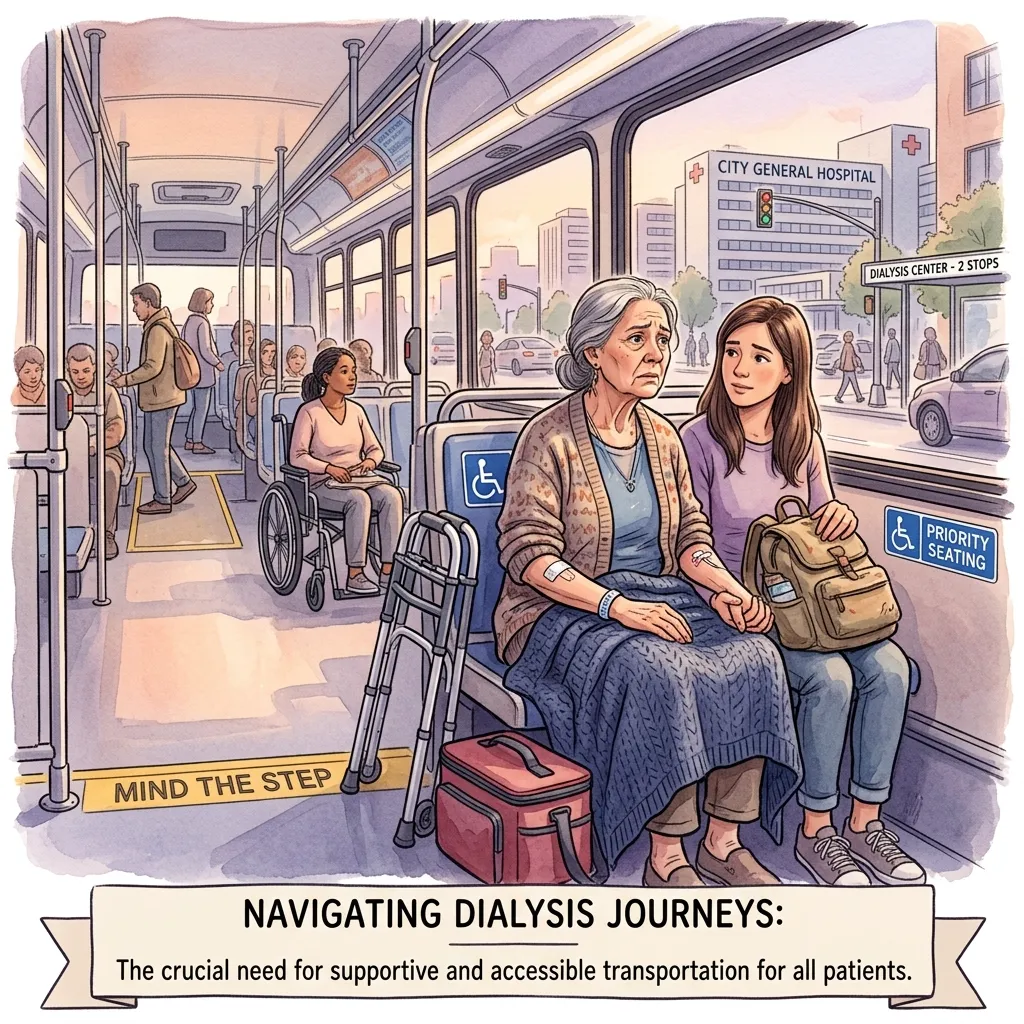
When a patient misses a scheduled treatment, the consequences are immediate and severe. Finding reliable transportation for dialysis patients is literally a matter of life and death in many cases.
The Severe Medical Implications
Toxins build up in the bloodstream rapidly when treatments are missed. Fluid overload can cause severe swelling, high blood pressure, and acute heart failure. The medical implications of missed appointments often result in emergency room visits, prolonged hospital stays, and a significant deterioration in overall health. Preventative transit solutions are essential.
The Emotional and Psychological Burden
Beyond the physical toll, transportation struggles create a massive emotional and psychological burden. Patients already deal with the stress of a chronic illness. Worrying about how they will get to their next appointment only amplifies this anxiety. Many individuals feel a loss of independence, fearing they are becoming a burden to their family and friends. This constant stress can lead to depression, severely impacting their quality of life.
The Financial Strain on Families
There is also a significant financial strain to consider. For patients, paying for specialized transport out-of-pocket quickly depletes personal savings. For the healthcare system, missed treatments lead to emergency interventions, which are vastly more expensive than the cost of a preventative ride to the clinic. Finding a sustainable solution for transportation for dialysis patients benefits everyone involved.
Current Transportation Solutions and Their Limitations
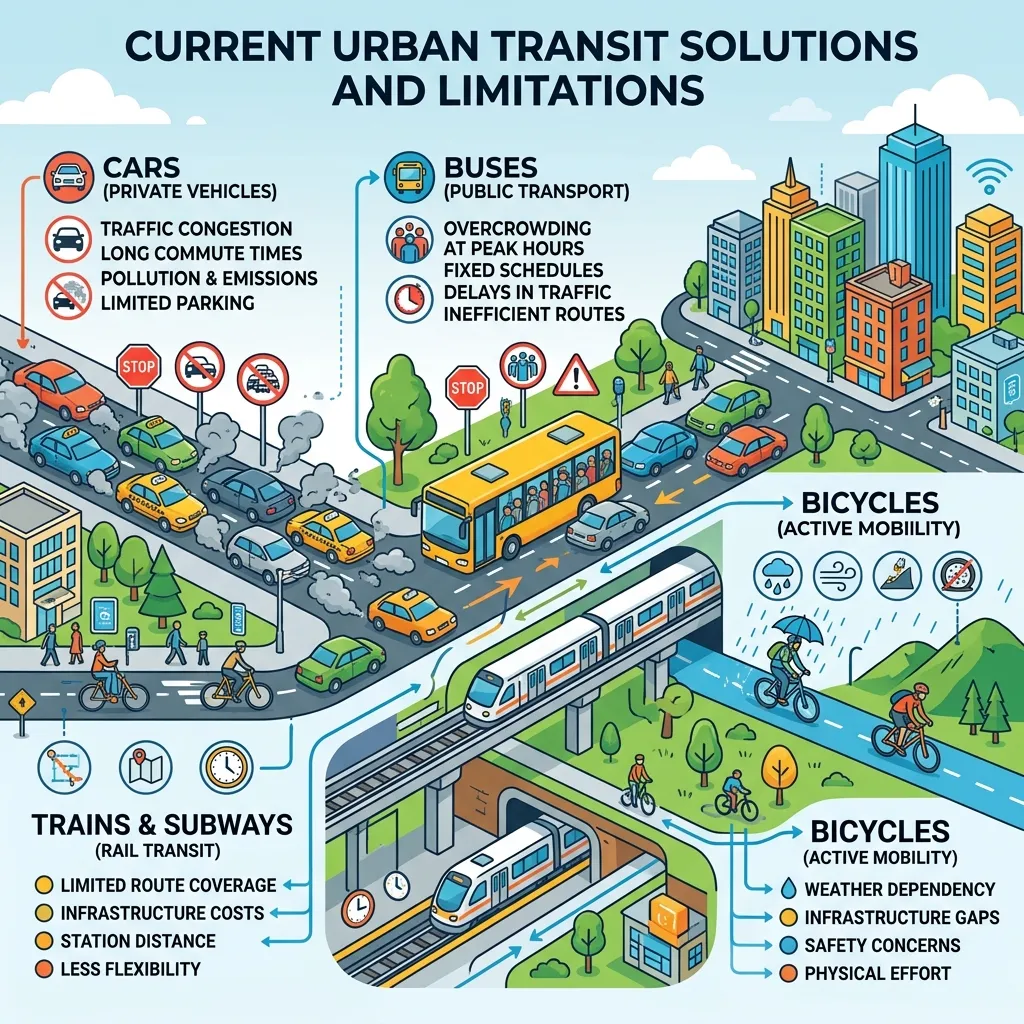
Patients currently rely on a patchwork of transportation options to reach their clinics. Unfortunately, each comes with its own set of limitations.
Comparing Transportation Options
|
Transport Method |
Pros |
Cons |
Best For |
|---|---|---|---|
|
Public Transit |
Highly affordable, widely available in cities |
Physically exhausting, rigid schedules, lacks medical support |
Patients with high mobility and urban access |
|
Family / Friends |
Free, comfortable, emotionally supportive |
Caregiver burnout, scheduling conflicts |
Patients with strong local support networks |
|
NEMT Services |
Wheelchair accessible, medical training |
Long wait times, strict booking rules, coverage gaps |
Wheelchair-bound patients with Medicaid |
|
Ride-Sharing |
On-demand, flexible, easy booking app |
Expensive over time, drivers lack medical training |
Independent patients needing occasional backup rides |
Public Transportation
Buses and trains are often the most affordable option. However, public transportation is frequently inaccessible for those dealing with the physical exhaustion that follows a dialysis session. Navigating bus stops, waiting in harsh weather, and dealing with rigid schedules can be physically overwhelming. Furthermore, many rural or suburban areas simply lack adequate public transit infrastructure.
Personal Vehicles and Family Support
Many patients rely on family members or friends to drive them. While this offers comfort and familiarity, it places a heavy burden on caregivers. Dialysis schedules often conflict with standard work hours. Over time, caregivers may experience burnout, or unavoidable scheduling conflicts can leave the patient stranded.
Non-Emergency Medical Transportation (NEMT)
NEMT services specialize in moving patients to and from medical appointments. They are often equipped to handle wheelchairs and stretchers. Despite these benefits, NEMT services face coordination challenges. Patients frequently report long wait times, missed pickups, and strict scheduling rules that leave them waiting hours after their treatment has finished.
Ride-Sharing Services
Companies like Uber and Lyft have entered the healthcare space, offering rides to medical appointments. While they provide on-demand convenience, they are not a perfect fit for everyone. The cost can add up quickly for someone needing six rides a week. Moreover, standard ride-share drivers lack the medical training necessary to assist a patient who might feel dizzy, weak, or nauseous after treatment.
Integrating Care and Enhancing Networks
To improve transportation for dialysis patients, clinics must look at the broader picture of network integration. When hospitals, transit providers, and clinics communicate seamlessly, patients win.
For more insights on how to build these interconnected systems,
you can read about enhancing health network connectivity for patients.
It provides excellent context for systemic improvements.
Key Features of the Ideal Dialysis Transportation Service
To truly serve this vulnerable population, transportation for dialysis patients must be tailored specifically to their unique physical and emotional needs.
Uncompromising Accessibility
Vehicles must be wheelchair-friendly and easy to board. Drivers should be trained to assist patients with mobility devices, ensuring they can enter and exit the vehicle safely without fear of falling.
Reliability and Punctuality
Dialysis clinics operate on tight schedules. If a patient is late, their treatment time might be cut short, reducing its effectiveness. A reliable transport service must guarantee on-time arrivals and prompt pickups, respecting the critical nature of the appointment.
Safety and Comfort
Post-dialysis patients are often fatigued and physically fragile. Vehicles should offer a comfortable, climate-controlled ride. Drivers trained in basic CPR and first aid can provide an essential safety net, recognizing signs of distress and responding appropriately if a medical issue arises during transit.
Ease of Booking and Coordination
The scheduling process should be entirely frictionless. Patients and clinic social workers need simplified booking systems, automated reminders, and direct communication channels with dispatchers to handle any last-minute changes smoothly.
Navigating Insurance and Financial Assistance
Paying for specialized transportation for dialysis patients is a major hurdle. Understanding the available financial resources is crucial.
- Medicaid Coverage: Medicaid generally covers NEMT for eligible individuals who have no other way to reach their medical appointments.
- Medicare Restrictions: Original Medicare typically only covers ambulance services in emergencies. Some Medicare Advantage plans offer supplemental benefits that include limited rides.
- Private Insurance: Private health insurance plans vary wildly. Some offer robust transportation benefits, while others provide zero coverage for routine medical travel.
- Community Programs: Many local community organizations, religious groups, and non-profits offer volunteer driver programs. The American Kidney Fund occasionally provides grants to help cover treatment-related expenses.
The Role of Technology in Improving Transit
Technology offers promising solutions to streamline transportation for dialysis patients and reduce the friction experienced daily.
Mobile Apps and Telehealth Integration
Modern NEMT providers are developing dedicated mobile apps. These platforms allow patients to book rides and track vehicles in real-time. Integrating transportation data with the clinic’s telehealth platform allows nurses to monitor a patient’s journey. If a driver reports that a patient seems unusually weak upon pickup, the clinic can prepare to assess them immediately.
Route Optimization and Data Analytics
Behind the scenes, dispatchers use advanced data analytics to optimize routes. By predicting traffic patterns and grouping rides efficiently, transit companies can reduce wait times, lower operational costs, and ensure more patients get to their chairs on time.
Working Towards Better Solutions
Solving the crisis regarding transportation for dialysis patients requires a collaborative effort across the entire healthcare spectrum. Clinics must view transportation as a core component of medical care, not an outside variable. By proactively screening patients for transportation barriers during intake, clinics can intervene before a missed appointment occurs. Policymakers must push for expanded Medicare coverage for routine medical transportation, recognizing that preventative transit is vastly cheaper than emergency room visits.
Addressing this issue requires a multi-faceted approach. We need stronger insurance coverage, technological innovation, improved public infrastructure, and active advocacy from healthcare providers. By working together, we can dismantle the barriers standing between dialysis patients and their life-saving care.
Practical Strategies, Preparation Tips, and the Path Forward in Dialysis Transportation
As dialysis patients and their caregivers navigate the labyrinth of patient transportation, preparation and proactive planning are essential for ensuring safe, dependable, and stress-free journeys to and from treatment centers. With medical transport challenges intersecting with personal logistics and healthcare system coordination, a holistic approach—one that prioritizes patient well-being, family involvement, and effective clinic communication—can make a profound difference in quality of care and life.
Preparing for Each Dialysis Journey
Consistent, comfortable transportation begins with patient readiness. On dialysis days, structure your schedule to include enough time for preparation, travel, treatment, and recovery. Lay out all personal essentials the night before your appointment; these might include identification, insurance cards, a list of current medications, snacks, fluids as recommended by your care team, and a fully charged phone. Lightweight blankets and supportive neck pillows are also helpful, as fatigue and chills are common post-dialysis.
Dress in easily removable layers and loose-fitting clothing to accommodate blood pressure checks and access site monitoring. Prioritize footwear that’s both non-slip and comfortable—patients are often unsteady after sessions, so safe shoes reduce fall risk when entering or exiting vehicles. For those with mobility aids, ensure walkers, canes, or wheelchairs are in good working order before leaving home.
Caregiver Participation and Support
Many dialysis patients rely on family members or close friends for transportation support. For caregivers, establishing a reliable routine and clear communication is vital. Track all treatment dates, time slots, and any changes from the clinic to avoid last-minute confusion. Consider using shared digital calendars or reminder apps so both caregivers and patients are always aligned on appointments.
Caregivers should plan for the demands of regular driving by setting boundaries, enlisting backup drivers when possible, and not hesitating to ask for help from larger support networks. Regionally, connecting with support groups of other dialysis caregivers can reveal valuable tips and local resources for backup transport options. If official patient transportation falls through, these peer networks often step in to keep care consistent.
When in the vehicle, caregivers should check in about the patient’s physical and emotional state, help with seatbelts and mobility aids, and remain alert to signs of discomfort, hypotension, or nausea. Always observe for post-treatment fatigue—offering a steady hand or assistance into the home upon return is an extra layer of support that can help prevent accidents.
Communication and Coordination With Clinics
Coordinating effectively with healthcare providers is a pillar of reliable transportation for dialysis patients. Clinics generally appreciate early notification if a patient anticipates any difficulties arranging a ride. Informing staff well in advance allows them to adjust schedules, offer advice, or refer patients to trusted medical transport options. Some clinics have dedicated transportation coordinators or social workers who can help arrange rides, apply for local or national patient transportation grants, or connect families to government programs and NEMT services.
Centralizing all transportation documentation, including ride bookings, confirmation numbers, and patient mobility or accessibility requirements, saves time during emergencies or rescheduling. Keep your dialysis team informed about changes in address, phone number, or caregiver situations—this real-time information helps clinics step in quickly if routine arrangements break down.
Regular check-ins between patients, caregivers, and clinic staff regarding transportation satisfaction and challenges can generate solutions before they escalate into missed appointments. Clinics are often receptive to feedback and may advocate for improved regional transit that better serves their patient base.
Safety Tips and Contingency Planning
Unexpected issues—like sudden illness, inclement weather, traffic delays, or late ride arrivals—can quickly disrupt transportation for dialysis patients. Having a robust contingency plan reduces anxiety and ensures continuity of care. Patients and caregivers should have a primary and secondary transit provider in mind, and keep the transportation provider’s dispatch phone numbers stored on their phones or printed out for backups.
If traveling in a wheelchair or with a walker, verify that the scheduled vehicle is appropriately equipped and that the driver can assist if needed. Patients should carry a laminated card listing allergies, emergency contacts, and basic health conditions in case medical attention is required en route.
Particularly during flu season or public health advisories, inquire how transport services sanitize vehicles and whether they provide masks or hand sanitizer. A little preparation can go a long way toward minimizing risks on travel days.
Leveraging Community Resources
Outside of structured NEMT or family support, local communities may offer additional solutions. Many municipalities partner with charities, churches, senior centers, or veterans organizations to provide volunteer drivers or subsidized taxi vouchers to those undergoing chronic medical treatments. Seek out dialysis patient advocacy groups, which often maintain up-to-date directories of region-specific transportation for dialysis patients.
If affordability is a concern and private or ride-share options are limited, social workers at dialysis centers can aid in applying for non-profit transport grants or helping patients qualify for rides through Medicaid or other healthcare assistance programs.
Embracing Technology for Better Transportation Outcomes
The digital age brings new hope for patients navigating complex transportation needs. Mobile apps that allow for real-time ride tracking, automated texts and phone alerts for approaching vehicles, and digital ride receipts make the process more transparent and less stressful. Some platforms even allow for direct messaging with drivers or customer support, enabling rapid adjustments if timing or circumstances change on short notice.
Telehealth coordination, where clinics monitor a patient’s location during transit, can mean quicker intervention if delays or emergencies occur. Patients and caregivers are encouraged to take advantage of any digital support offered by their transit providers and care teams.
Looking Ahead: The Future of Transportation for Dialysis Patients

While many patients still experience gaps in reliable transit, positive changes are on the horizon. Increasing recognition of transportation for dialysis patients as a central pillar of chronic illness management has prompted hospitals, communities, and policymakers to pursue innovative solutions.
Future improvements may include:
- Expanding regional NEMT networks: Policymakers are recognizing the need for more widespread, flexible patient transportation, particularly in rural or underserved areas, where distance and lack of public transit are primary concerns.
- Public-private transit partnerships: Collaborations between government agencies and companies specializing in health-focused ride-sharing or medical transport have the potential to bring down costs, introduce more flexibility, and improve accessibility.
- Enhanced training for drivers: As more companies recognize the unique needs of dialysis patients, ongoing first-aid, CPR, and disability sensitivity training is becoming the standard for patient transportation providers.
- Personalized care plans: Some clinics are piloting “whole journey” care, where transportation evaluators are part of the chronic care team and help families design comprehensive plans for getting to every appointment on time.
- Increased insurance coverage: Legislative advocacy—bolstered by patient testimonials and cost-benefit analyses—is coaxing both public and private insurers toward expanding coverage and reimbursement opportunities for non-emergency medical transportation.
- Telehealth and remote monitoring integration: Future systems may automatically trigger ride scheduling or alert care teams if a missed ride threatens a patient’s access to treatment, closing dangerous gaps caused by transportation breakdowns.
Ultimately, improving transportation for dialysis patients depends on persistent advocacy, creative innovation, technological adoption, and ongoing feedback from patients, caregivers, and healthcare professionals. By approaching every transport decision with care, foresight, and collaboration, we can support better health, independence, and peace of mind for everyone who depends on this essential service.
Frequently Asked Questions About Transportation for Dialysis Patients
Why is transportation for dialysis patients so critical?
Transportation for dialysis patients is essential because missing even one session allows deadly toxins and fluids to build up in the body. Without reliable transit, patients face immediate, severe health emergencies like heart failure or fluid in the lungs. It is quite literally a life-sustaining bridge to care.
Does Medicare cover transportation for dialysis patients?
Original Medicare typically only covers emergency ambulance transport, leaving a gap for routine dialysis transit. However, some Medicare Advantage (Part C) plans offer specific supplemental benefits that include a set number of non-emergency medical rides per year.
What is Non-Emergency Medical Transportation (NEMT)?
NEMT refers to specialized transport services designed for patients who need assistance getting to medical appointments but do not require an ambulance. These vehicles are usually wheelchair accessible, and the drivers are trained to assist fragile patients safely to and from the vehicle.
Can ride-sharing apps be used as transportation for dialysis patients?
Yes, services like Uber and Lyft offer specialized health dashboards for clinics to book rides for patients. However, standard ride-share drivers lack medical training and their vehicles are often not wheelchair accessible, making them unsuitable for physically weakened patients.
How can a social worker help with transportation for dialysis patients?
Clinic social workers are experts at navigating the complex web of local transit resources and insurance benefits. They can assist patients in applying for Medicaid NEMT, finding community volunteer driver programs, and securing grants to cover transportation costs.
What happens if I feel sick during my ride home from dialysis?
If you are using a dedicated NEMT service, the drivers are typically trained in basic first aid and CPR to handle mild distress. If you experience a severe medical emergency during transit, the driver will immediately pull over and call 911 for ambulance support.
Are there free options for transportation for dialysis patients?
Yes, many local communities have non-profit organizations, religious groups, or senior centers that operate free volunteer driver programs. Additionally, if you qualify for Medicaid, your NEMT rides to and from medical appointments are generally covered at no cost to you.
Can my family members get paid to drive me to dialysis?
In some states, Medicaid waiver programs allow you to direct your healthcare funds to pay a family caregiver for their time and mileage. You must speak directly with your state’s Medicaid office or a clinic social worker to see if this specific program is available in your area.
How do I schedule reliable transportation for dialysis patients?
If using NEMT, you usually need to book your rides several days in advance through a centralized dispatcher or specialized mobile app. Ensure you provide your exact clinic schedule, your specific mobility requirements, and any emergency contact numbers during the booking process.
What should I do if my scheduled transportation doesn’t show up?
Always have a backup plan, such as a neighbor or a ride-share app, ready in case your primary transit fails. Immediately notify your dialysis clinic that you are delayed so they can adjust their schedule, and contact your transit provider’s dispatch to report the missed pickup.
