

Learn how companies like Uber and Lyft transformed transportation through app-based ride-sharing, dynamic pricing, and gig work. Explore their business models, driver experiences, legal challenges, and the future impact of autonomous vehicles and urban mobility systems.
The smartphone revolution transformed how we communicate, work, and navigate our daily lives. Among the most visible shifts was the sudden transformation of personal transportation. Hailing a cab used to mean standing on a street corner, raising an arm, and hoping an empty taxi would drive by. Then came the gig economy and the advent of ride-sharing. A few taps on a glass screen suddenly summoned a private car directly to your exact location.
This dramatic shift fundamentally altered global labor markets and urban infrastructure. Companies like Uber and Lyft pioneered a completely new category of employment, normalizing the idea of app-based, on-demand work. Millions of people downloaded these platforms to earn extra income on their own schedules. Simultaneously, millions more came to rely on them as a primary mode of transit. As technology advanced, many cities and emerging economies rapidly adopted similar ride sharing companies, changing how citizens accessed urban mobility and expanding transit options well beyond traditional taxi app alternatives.
In this comprehensive guide, we will explore how companies like Uber and Lyft function. We will examine the business models, the daily experiences of the drivers, the complex legal challenges they face, and the future of the ride-sharing industry. By the end, you’ll understand how gig economy transportation has shaped not only travel habits but also social, legal, and economic realities in cities worldwide.
Unpacking the Ride-Sharing Business Model
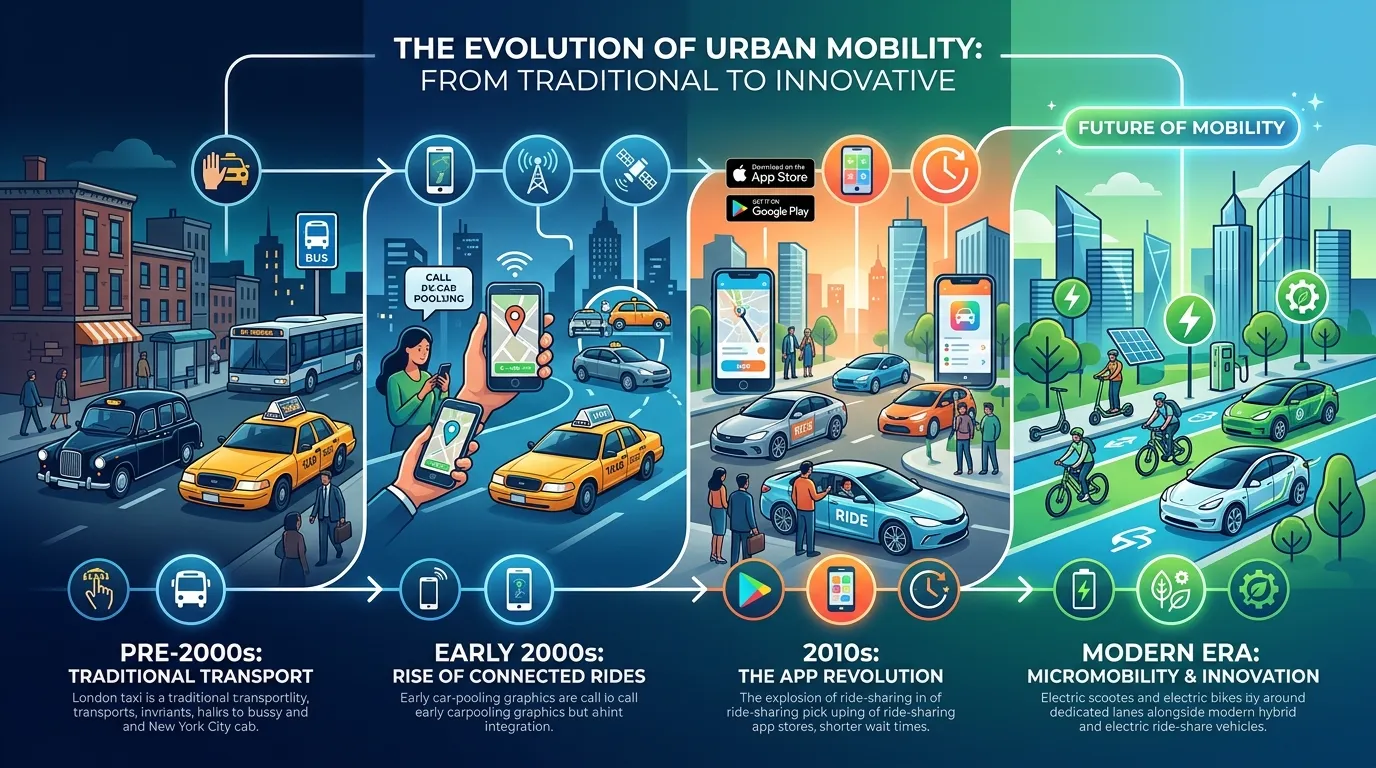
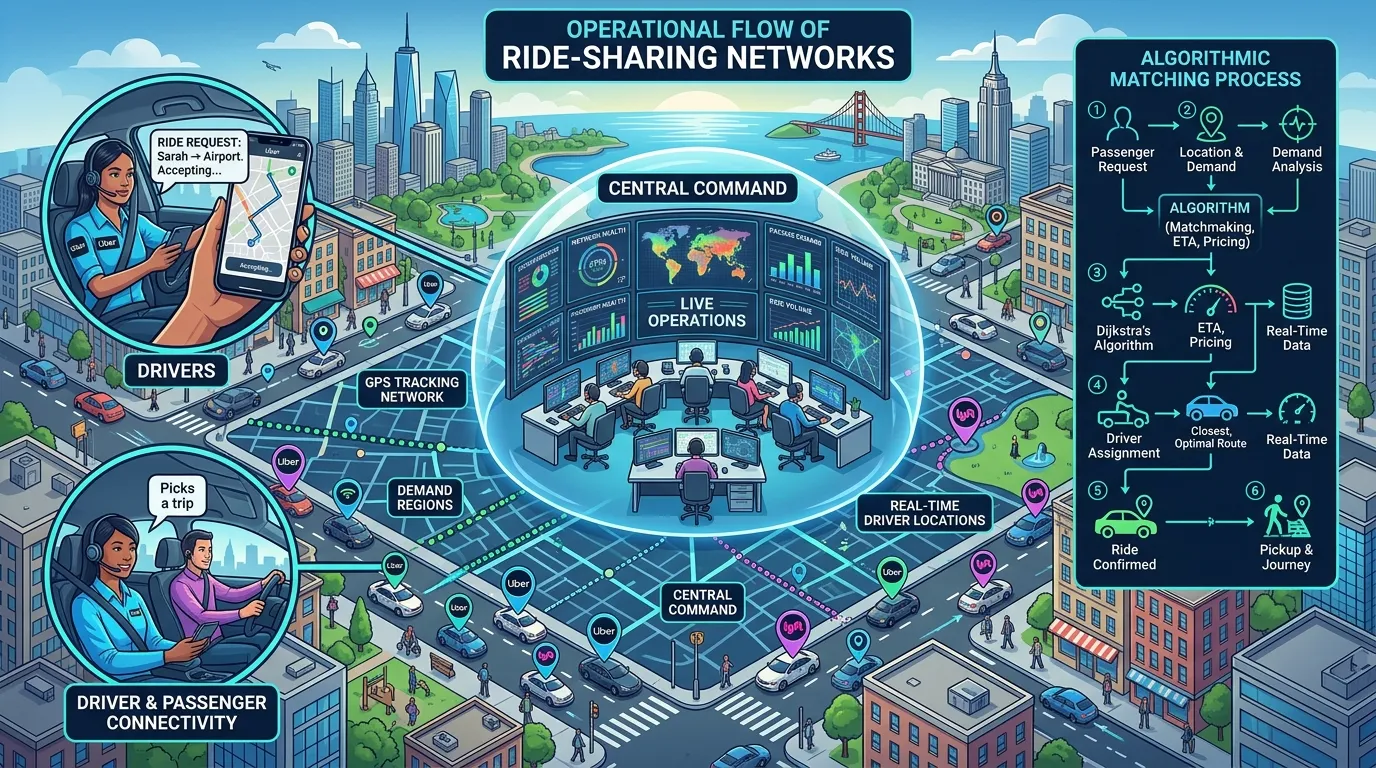
Ride-sharing platforms function as sophisticated digital matchmakers. They do not own fleets of vehicles; instead, they maintain massive digital infrastructures designed to connect independent drivers with riders in real time. This sophisticated logistical network has become the core design pattern for on-demand ride services and sets the blueprint for many new mobility ventures globally.
Algorithms, Tech, and Surge Pricing
The core engine of companies like Uber and Lyft is predictive algorithmic technology. These systems process immense amounts of data every second. They track traffic patterns, monitor driver locations, and predict rider demand across different neighborhoods. This constant data processing allows the apps to optimize routing and minimize wait times. For example, by continuously learning from actual ridership and traffic data, these algorithms help balance the distribution of drivers and forecast spikes in demand well in advance.
A key component of this model is dynamic pricing, commonly known as surge pricing. When rider demand drastically outpaces the supply of available drivers, the algorithm automatically increases the cost of a ride. This price spike serves two functions. It encourages more drivers to log onto the app to capture higher earnings, and it temporarily reduces rider demand by pricing out some potential customers. Surge pricing has sparked debate and scrutiny, but it is core to the ability of these services to scale and function efficiently, especially during events, peak commute hours, or inclement weather.
To better grasp how modern transit routing works, check out this great resource:
What is on-demand transit and how does it work
The Role of Technology in Rider and Driver Matching
The sophistication of ride-sharing platforms lies not just in price calculation but also in matching the right driver to the right rider within seconds. Factors such as estimated arrival times, current traffic delays, driver ratings, and even the likelihood of picking up another passenger in the same direction are all considered. Machine learning powers ongoing improvements, driving service reliability and optimizing fleet movement to minimize “deadhead miles”— those driven without an active ride.
Key Features of Ride-Sharing Apps
When examining companies like Uber and Lyft, several distinct features separate them from traditional taxi services:
- Cashless payments: All transactions happen securely within the app, reducing the need for physical cash handling and making expense tracking easier for users.
- GPS tracking: Riders can watch their driver approach in real time for added peace of mind and transparency.
- Two-way rating systems: Both drivers and passengers rate each other to ensure safety and accountability. This feedback loop incentivizes quality service and courteous user behavior.
- Upfront pricing: Riders know the exact cost of the trip before confirming the ride, which eliminates common arguments over fares and “surprise” charges.
Other often-overlooked features include ridesharing with multiple passengers (carpooling), in-app messaging between rider and driver without exchanging personal information, and the ability to split fares directly through the app interface. These innovations have driven widespread adoption and convenience, setting the standard among all gig economy transportation platforms.
Revenue Streams and the Path to Profitability
Despite generating billions of dollars in gross bookings, companies like Uber and Lyft have historically struggled to achieve consistent profitability. The primary revenue stream comes from taking a commission on each completed ride, typically ranging from 15% to 30% of the ride’s value. However, the costs associated with running these platforms are immense, including insurance, technological development, marketing, customer service, lobbying, and legal costs related to ever-changing city and national regulations.
Early on, companies like Uber and Lyft heavily subsidized rides using venture capital to aggressively capture market share and attract new users. Over time, the focus shifted from aggressive growth to achieving sustainable profit margins. This shift resulted in higher fares for riders and adjustments to driver compensation structures. Profitability now depends heavily on careful geographic expansion, operational efficiency, and the ability to offer additional services beyond basic rides—such as food delivery, grocery shopping, business partnerships, and even cross-promotions with public transit.
Additional Revenue Innovations
Some ride sharing companies have also explored memberships, advertising within the app, partnerships with events or hotels, and even branded credit cards. For example, both Uber and Lyft have rolled out monthly subscription products that waive surge fees or provide discounted rides as a loyalty incentive for heavy users.
Comparing the Major Players
To understand the market better, let us look at a comparison of the top ride-sharing services available today.
|
Feature / Platform |
Uber |
Lyft |
Regional Apps (e.g., Bolt) |
|---|---|---|---|
|
Global Reach |
Over 70 countries |
Primarily North America |
Focused in Europe/Africa |
|
Service Options |
Rides, food, freight |
Rides, bikes, scooters |
Rides, food delivery |
|
Pricing Model |
Dynamic / Upfront |
Dynamic / Upfront |
Dynamic / Upfront |
|
Driver Rewards |
Uber Pro tiers |
Lyft Rewards |
Localized bonuses |
This table offers a snapshot, but the broader ecosystem of ride sharing companies continues to evolve, with many local taxi app alternatives offering differentiated services—such as women-only rides, wheelchair-accessible transport, or integration with public transit systems.
The Reality of the Driver Experience
The appeal of driving for companies like Uber and Lyft often centers around autonomy. Unlike traditional employment, app-based gig work offers an unprecedented level of scheduling freedom. However, the reality is a blend of flexibility and uncertainty, shaped by market dynamics, local regulation, and the internal policies of the on-demand ride services.
Flexibility Versus Financial Security
The primary draw for many drivers working for companies like Uber and Lyft is the ability to dictate their own hours. A driver can log on for two hours before their primary job, work a full weekend, or take a month off without needing to request permission from a manager. This arrangement is particularly valuable for those balancing family responsibilities, pursuing education, or requiring supplementary income. According to multiple studies, the vast majority of drivers treat ride-share work as a side hustle, not a full-time occupation.
However, this independence often lacks financial stability. Because drivers receive payment per ride rather than earning a steady hourly wage, their earnings fluctuate wildly based on location, time of day, and seasonal demand. Furthermore, drivers are responsible for significant overhead costs. They must pay for their own fuel, vehicle maintenance, insurance, and vehicle depreciation. Once these expenses are factored in, effective hourly earnings can vary significantly, and in some lower-demand markets or during off-peak hours, can drop below local minimum wage levels.
Realities of Driver Expenses and Pay
Driver forums and advocacy groups commonly share tips on expense tracking, vehicle choice, and tax deductions to help maximize take-home pay. Some ride sharing companies are experimenting with programs to offset these costs, such as reduced fuel partnerships, electric vehicle (EV) leasing, or bonus systems for high-volume drivers, but these vary significantly by region and platform.
The Push for Better Rights and Representation
The lack of traditional employment benefits sparked widespread driver activism. Gig workers generally do not receive health insurance, paid sick leave, retirement contributions, or workers’ compensation. This vulnerability became especially apparent during economic downturns, where drivers faced significant financial peril. The global pandemic highlighted the lack of safety nets, pushing many drivers to the brink while demands for hazard pay, PPE, and financial support surged.
In response, driver advocacy groups launched strikes, protests, and organized campaigns demanding better pay from companies like Uber and Lyft. They pushed for transparency in algorithmic deactivations and unionization rights. These efforts have produced incremental gains in some markets (such as minimum pay guarantees in California and New York), but the broader debate over gig economy transportation rights continues.
Social and Community Impacts
Many drivers see themselves as active members of their communities, providing reliable late-night transit, supporting passengers with accessibility needs, and occasionally acting as neighborhood safety resources (e.g., during bad weather or after large public events). This aspect of gig work is seldom reflected in policy debates but is a real part of the lived experience for many participants.
Navigating Regulatory and Legal Roadblocks
As ride-hailing services expanded globally, they frequently clashed with local governments and established labor laws. The legal battles surrounding companies like Uber and Lyft fundamentally shape how the gig economy operates today, and rapid regulatory response is now critical to the on-demand ride services model.
The Contractor vs. Employee Debate
The most contentious legal issue facing companies like Uber and Lyft is the classification of their workforce. The platforms classify their drivers as independent contractors rather than full-time employees. This classification strategy allows the companies to avoid paying payroll taxes, minimum wages, and standard employment benefits. Labor advocates and lawmakers argue that because the platforms control fares, oversee driver ratings, and set deactivation thresholds, drivers function much like employees.
State Level Challenges
Various state and national governments attempted to reclassify gig workers through legislation and court rulings. In the U.S., high-profile battles in states like California (AB5/Prop 22), UK Supreme Court rulings, and lawsuits in Europe and Australia have produced a complex web of rulings and local carve-outs. The platforms aggressively fight these efforts, arguing that forcing them to hire drivers as employees would destroy the flexibility that makes the model function. In some cases, hybrid models have emerged, offering partial benefits while retaining elements of independence, but there is no clear global standard.
Innovations in Policy
Some cities now mandate baseline worker protections regardless of contractor status, while others require minimum rates per mile or per minute. Experimentation with portable benefits (where drivers “carry” benefits between gigs, regardless of platform) is ongoing.
Safety Standards and Local Policies
Safety regulations remain another major point of contention. Traditional taxi companies point out that they face strict municipal regulations, including extensive background checks, vehicle inspections, and specialized licensing. Companies like Uber and Lyft initially bypassed many of these rules. Following public pressure, these companies implemented more robust safety features, including in-app emergency buttons and continuous background monitoring.
Ongoing Safety Evolution
Some local governments now require periodic vehicle inspection, fingerprint-based background checks, or minimum insurance requirements above national standards. Companies like Uber and Lyft have also invested in advanced AI-driven safety features, like route anomaly detection and automated wellness checks if a trip unexpectedly takes too long. Riders benefit from features such as real-time trip sharing and 24/7 customer support for emergency situations.
The Future of the Ride-Sharing Industry
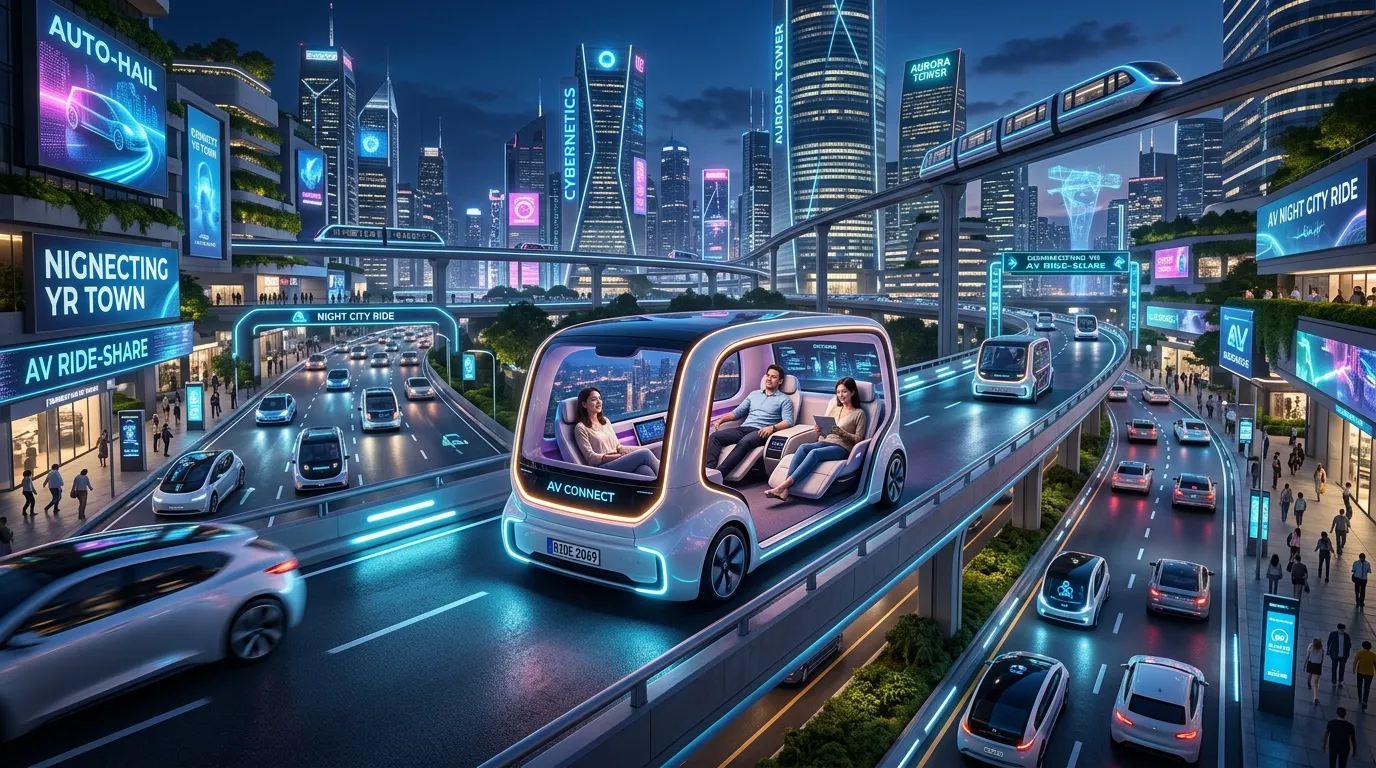
The ride-hailing sector is entering a new phase of maturity. The initial era of explosive growth for companies like Uber and Lyft is over, replaced by a focus on long-term sustainability and technological evolution. The next decade will determine whether these platforms can mature from disruptors to responsible, sustainable contributors to urban transit systems.
Market Saturation and Emerging Competitors
In many major global markets, ride-sharing reached a point of saturation. Most people who want to use the service already do. This makes user acquisition increasingly difficult for companies like Uber and Lyft. Furthermore, new regional competitors constantly emerge to challenge the established giants. For example, “super apps” in Asia combine ride-hailing with food delivery, payments, and even non-transport goods, integrating more deeply into consumers’ daily routines.
Expansion into New Market Segments
Innovations such as microtransit networks, low-emission carsharing, and community-based shuttle services are gaining traction. This new wave of gig economy transportation promises even greater passenger flexibility and could potentially ease pressure on public transit networks in underserved areas.
The Autonomous Vehicle Disruption
The ultimate goal for many mobility platforms is the deployment of autonomous vehicles. Replacing human drivers with self-driving fleets would fundamentally alter the cost structure of companies like Uber and Lyft. It would eliminate their largest operating expense: driver payouts. While the timeline for fully autonomous, regulated robotaxis remains uncertain, billions of dollars go into the technology each year.
Autonomous vehicles also promise new operational efficiencies, increased safety (with fewer accidents attributed to human error), and an entirely different regulatory landscape. However, this raises ethical and social questions about the future of gig work, the retraining of displaced workers, and the international race to develop and deploy scalable AV infrastructure.
Ongoing Partnerships and Pilots
Early pilot programs in cities like Phoenix, San Francisco, and select Chinese urban centers offer a preview of what’s possible but highlight the challenges of mass adoption, from technology bugs to insurance uncertainty.
Diversifying Beyond Passenger Transport
To achieve profitability and utilize their massive network infrastructures, ride-hailing companies diversify their service offerings. The logistics algorithms used to move people are equally effective at moving goods. Companies like Uber and Lyft expanded rapidly into food delivery services, grocery fulfillment, and package logistics.
Rider apps now frequently include options for parcel delivery, prescription pick-up, and even long-distance rides to connect underserved rural communities. The blending of on-demand ride services with last-mile logistics is seen as a crucial path for deepening relevance and unlocking new revenue streams.
Environmental Initiatives
Many platforms are rolling out EV-only ride options, bike- and scooter-sharing, and low-emission vehicle incentives. These initiatives aim to reduce carbon footprints and align companies like Uber and Lyft with urban climate goals, further integrating them with public and private sustainability plans.
Frequently Asked Questions
What makes companies like Uber and Lyft different from taxis?
Companies like Uber and Lyft operate entirely through mobile applications, offering upfront pricing, GPS tracking, and seamless digital payments. They do not own the cars; instead, they connect private car owners with passengers needing a ride. This structure allows the businesses to rapidly scale operations, maintain lower operating costs, and introduce new features faster than traditional taxi or car services.
How do drivers for companies like Uber and Lyft make money?
Drivers earn a percentage of the total fare paid by the passenger. The companies calculate this based on base fares, time, distance, and any active surge pricing modifiers in the local area. Many also have opportunities for bonuses, referral incentives, and tier-based rewards (such as Uber Pro or Lyft Rewards) that can boost earnings for high-volume drivers.
Are companies like Uber and Lyft safe to use?
Yes, these platforms incorporate numerous safety features to protect users. They utilize GPS tracking, detailed driver background checks, two-way rating systems, and emergency assistance buttons directly within the app interface. Regular safety updates and rider education campaigns help to promote best practices.
Do drivers get to keep the entire tip?
Yes, drivers working for companies like Uber and Lyft receive 100% of the tips passengers leave through the app. The platforms do not take any commission out of the gratuity provided by the rider, allowing passengers to directly reward good service.
How does surge pricing actually work?
Surge pricing activates when passenger demand outweighs driver supply in a specific area. The app increases prices to encourage more drivers to log on and to temporarily limit the number of ride requests. The benefit of this system is it gets more cars on the road during the times you need them most, but riders may pay several times the base fare during peak surges.
Can I schedule rides in advance?
Most companies like Uber and Lyft allow users to schedule rides hours or even days ahead of time. This feature ensures you have a driver locked in for important trips, such as early morning airport departures or late-night event returns, giving users peace of mind before travel.
What are some affordable alternatives to these services?
If you are looking for budget-friendly ways to commute, explore public transit, carpooling, or specialized local services. You can read this ultimate guide to affordable transportation services for more money-saving transit options. Many cities are experimenting with “microtransit”—shared vans or shuttles that can be hailed on demand via app, bridging the gap between buses and private rides.
Are drivers for companies like Uber and Lyft considered employees?
No, the majority of ride-sharing platforms classify their drivers as independent contractors. This means they do not receive traditional employee benefits like health insurance, paid sick leave, or minimum wage guarantees. However, this remains a matter of evolving legal debate and may be different in certain markets.
Do companies like Uber and Lyft provide insurance?
Yes, the platforms provide commercial insurance coverage that protects the driver and passenger while a ride is in progress. However, drivers must also maintain their own personal auto insurance policies. It is important to check with both the platform and your insurance provider for up-to-date requirements in your region.
Will self-driving cars replace ride-share drivers?
Companies like Uber and Lyft invest heavily in autonomous vehicle technology with the goal of eventually deploying robotaxis. While fully autonomous fleets are still years away, they represent a significant future shift for the industry. The transition will be gradual and is expected to create new technical, legal, and ethical challenges around employment, safety, and urban planning.
