


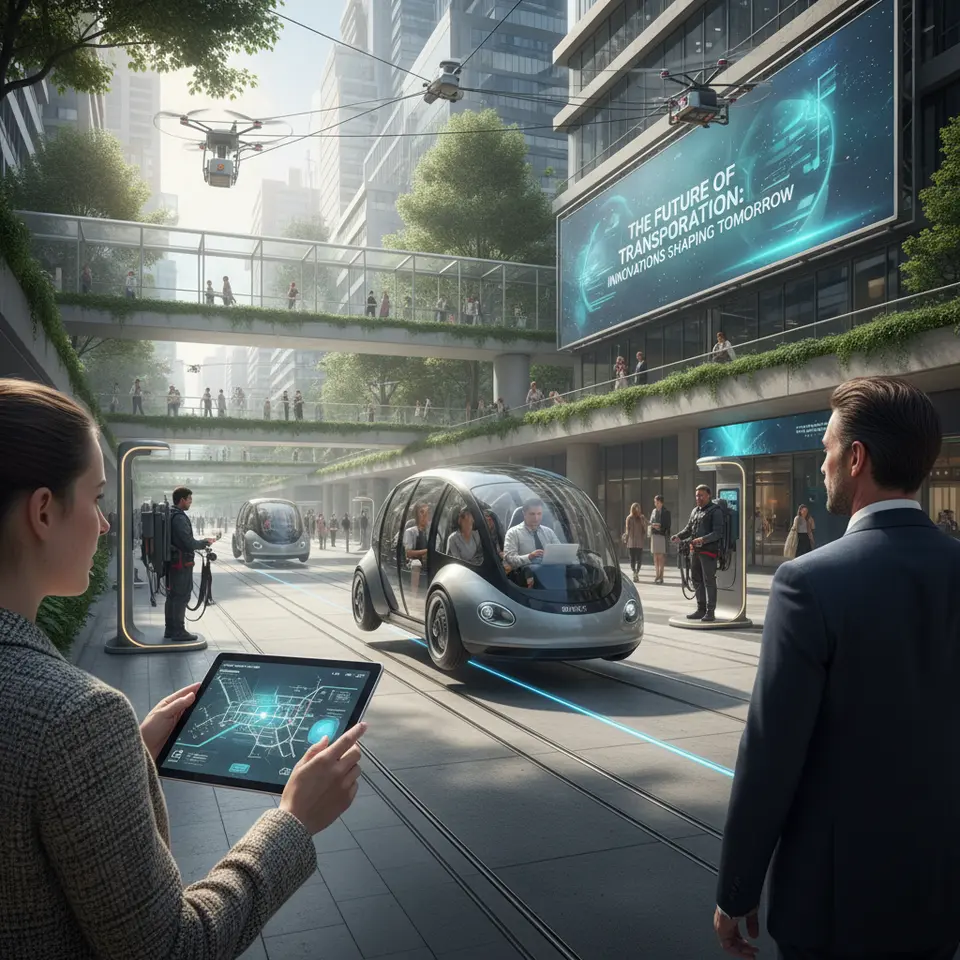
The future of transportation is driven by electric vehicles, autonomous systems, high-speed rail, and smart urban mobility. These innovations aim to reduce emissions, improve efficiency, enhance accessibility, and create seamless, sustainable travel experiences worldwide.
The way we move people and goods is undergoing a massive shift. Across cities and rural areas alike, growing environmental concerns and rapid technological developments are coming together to redefine the future of transportation. We are moving away from fossil fuels and disjointed transit systems. Instead, we are building a framework of cleaner, smarter, and more efficient mobility.
From battery-powered transit to self-driving shuttles, every new breakthrough acts as a building block for sustainable travel. This year, policymakers, researchers, manufacturers, and commuters are working together. They want to implement solutions that fix traffic jams, cut carbon emissions, and make travel accessible for everyone. If you want to understand how we will travel tomorrow, you need to look at electric vehicles, autonomous vehicles, and urban mobility platforms today.
Electric Vehicles and the Road to Sustainability
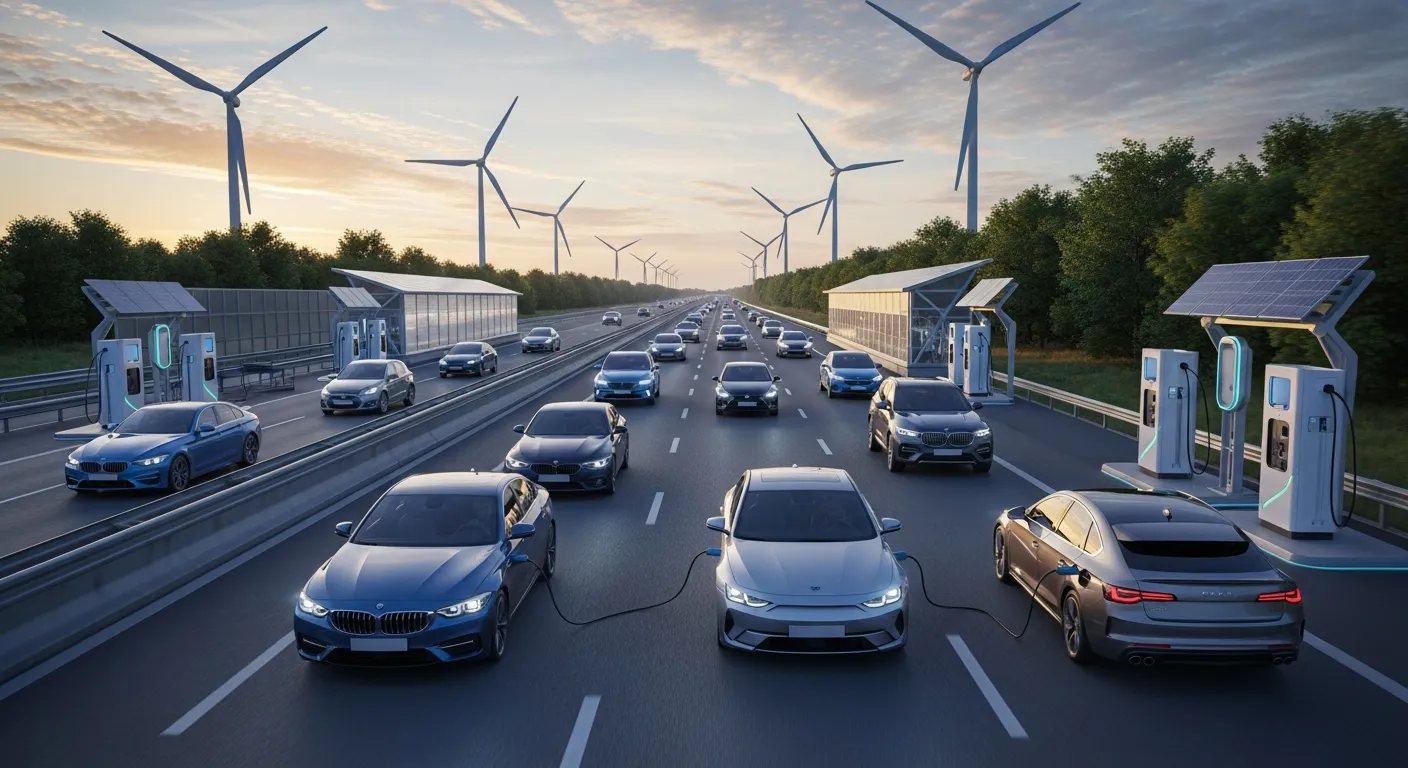
Electric vehicles have grown from rare sights to the standard in the automotive market. The future of transportation relies heavily on shifting away from gas-powered engines. Today, electric vehicles sit at the center of this transition, reshaping urban mobility and global emissions standards.
The Global Surge of Electric Vehicles
Over the last decade, adoption rates for electric vehicles have soared. This trend is evident in both developed and emerging markets, as consumers become increasingly aware of the environmental impacts of traditional internal combustion engines. In 2025 alone, industry analysts predict that electric vehicles will make up more than 45% of new car sales globally. This transformation signals a broader cultural shift toward sustainability and smart energy use.
Key Benefits of Electric Vehicles
- Environmental Impact: Electric vehicles produce zero tailpipe emissions, directly contributing to cleaner air and improved public health in densely populated cities.
- Cost Efficiency: Operating an electric vehicle often costs less per mile compared to gasoline-powered cars, thanks to lower fuel costs and fewer maintenance needs.
- Integration with Smart Grids: The future of transportation will see electric vehicles functioning as mobile energy storage devices, helping balance electricity demand during peak times through vehicle-to-grid (V2G) technologies.
Advances in Battery Technology
Improvements in lithium-ion cells and solid-state prototypes are making electric vehicles better than ever. Drivers can now travel more than 350 miles on a single charge. This expanded range makes electric vehicles practical for both city commuting and cross-country road trips.
The expansion and accessibility of charging networks also play a pivotal role in the rapid adoption of electric vehicles. Investments in fast-charging infrastructure are visible along highways, shopping centers, and residential complexes. These networks reduce the “range anxiety” that once deterred potential EV buyers, contributing to the robust growth for the future of transportation.
If you want to understand the core concepts behind this shift, you can read more about what defines an EV. You can also learn how all-electric cars function to see how the mechanics differ from traditional engines.
Second-Life Battery Applications
When an electric vehicle battery loses its top capacity, it does not go to a landfill. Instead, these batteries get a second life.
- Solar Microgrids: Old batteries store extra solar energy for neighborhoods, stabilizing local energy supplies and enhancing community resilience during outages.
- Backup Systems: Businesses use repurposed batteries to keep the lights on during power outages, reducing dependency on fossil-fuel-powered generators.
- Recycling Programs: Emerging rules require companies to recover valuable materials like nickel, cobalt, and lithium, supporting a circular economy and furthering the responsible lifecycle management essential for the future of transportation.
Comparing Traditional Vehicles to Electric Vehicles
|
Feature |
Traditional Gas Vehicles |
Electric Vehicles |
|---|---|---|
|
Fuel Source |
Gasoline or Diesel |
Electricity (Grid or Renewable) |
|
Emissions |
High tailpipe CO2 |
Zero tailpipe emissions |
|
Maintenance |
Frequent (oil changes, spark plugs) |
Low (fewer moving parts) |
|
Noise Level |
Noisy engines |
Quiet operation |
|
Role in the Future |
Phasing out globally |
Central to the future of transportation |
|
Energy Recovery |
Limited regenerative braking |
Regenerative braking increases efficiency |
Government Support and Policy Incentives
How Governments Accelerate Adoption of Electric Vehicles
- Purchase Incentives: Tax credits and rebates lower the total cost of ownership for electric vehicles, giving buyers more confidence to make the switch.
- Zero-Emission Zones: Some cities are establishing zones where only electric vehicles are allowed, speeding up the conversion to greener fleets.
- Research Funding: Investments in EV research drive advances in battery performance, safety, and recycling systems essential to the sustainable future of transportation.
Autonomous Vehicles: Redefining Safety and Urban Mobility
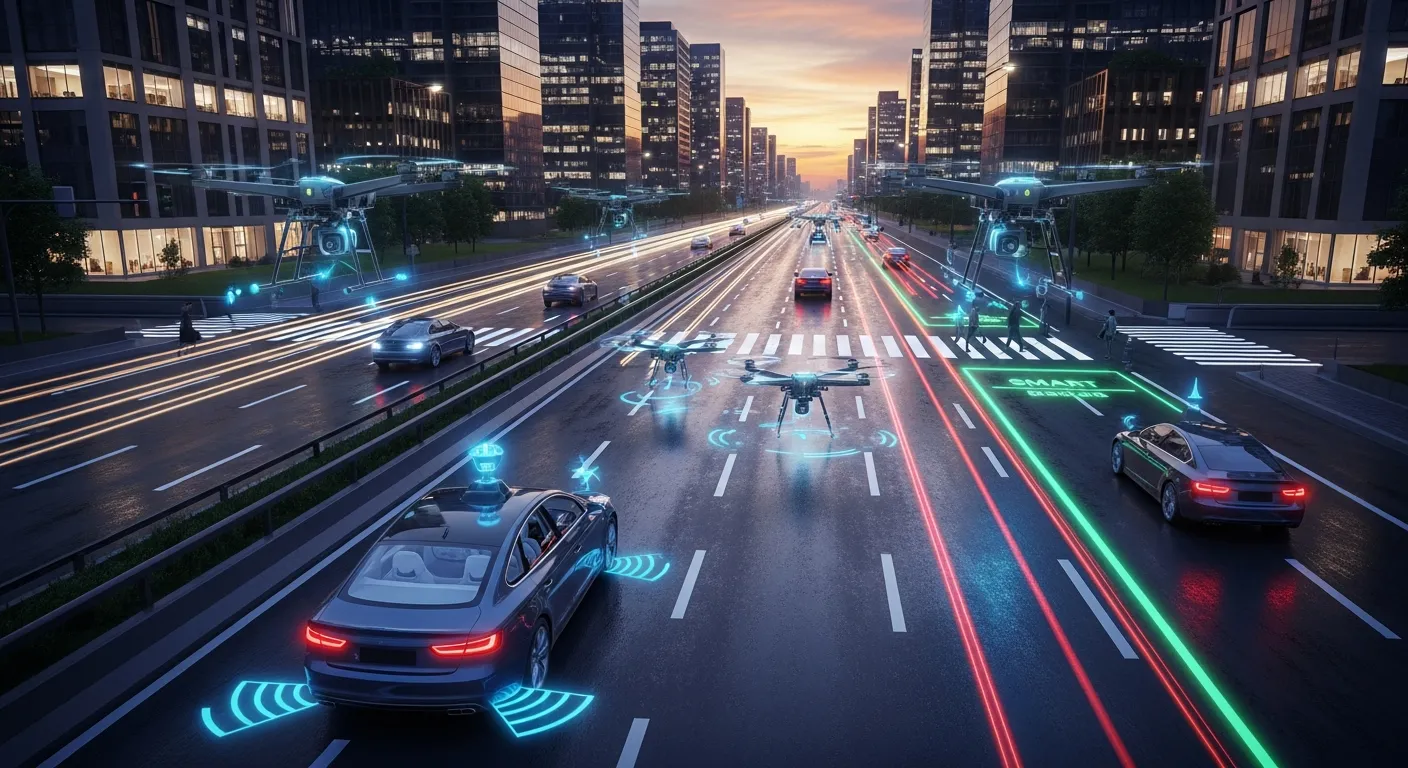
The future of transportation is not just electric; it is automated. Autonomous vehicles stand ready to transform safety and convenience on our roads. Advanced Driver-Assistance Systems (ADAS) like adaptive cruise control are already normal. Now, fully autonomous vehicles are entering real-world trials to improve urban mobility.
The Evolution of Autonomous Vehicles
Today’s autonomous vehicles employ a sophisticated suite of technologies that was unimaginable two decades ago. The fusion of next-gen computing, high-precision mapping, and machine learning algorithms has moved self-driving cars from science fiction to everyday reality. Several major cities already host pilot programs for autonomous ride-hailing shuttles, delivery robots, and even semi-trucks, all demonstrating the immense potential of this technology for the future of transportation.
Levels of Vehicle Automation
|
Level |
Definition |
Example Features |
|---|---|---|
|
Level 1 |
Basic driver assistance |
Cruise control, lane keeping |
|
Level 2 |
Partial automation |
Adaptive cruise + lane centering |
|
Level 3 |
Conditional automation |
Hands-off but driver must intervene |
|
Level 4 |
High automation |
Vehicle can handle most scenarios |
|
Level 5 |
Full automation |
No human input needed |
How Autonomous Vehicles Work
Autonomous vehicles use a combination of technologies to navigate safely:
- LiDAR Sensors: Bounce light off objects to create 3D maps and detect obstacles in real time.
- Radar Systems: Detect the speed and distance of other cars—even in poor weather conditions.
- Camera Arrays: Read traffic lights, recognize street signs, and monitor pedestrian movements.
- AI Engines: Make split-second decisions to avoid crashes, reroute the vehicle when needed, and react appropriately to changing road conditions.
Data Security and Privacy in Autonomous Vehicles
With increased digitization comes the responsibility to ensure robust cybersecurity. Protecting user data, navigation logs, and sensor inputs is essential. Manufacturers are investing in end-to-end encryption, real-time threat detection, and secure cloud architectures, all ensuring the safety of both passengers and the broader urban mobility ecosystem.
Boosting Accessibility Through Automation
By removing human error, autonomous vehicles can greatly decrease accident rates. Automated braking and collision avoidance can cut rear-end crashes by over 40%. Beyond safety, autonomous vehicles unlock urban mobility for seniors, individuals with disabilities, and people who cannot drive.
Societal Benefits
- Inclusive Mobility: Self-driving shuttles and ride-shares open doors for those unable to drive, including the elderly and those with mobility challenges.
- Reduced Congestion: Algorithms optimize routing, balancing mobility needs and minimizing gridlock—promising a smoother future of transportation for all.
- Environmental Impact: Many autonomous vehicles are electric, multiplying environmental benefits and further supporting urban mobility goals.
High-Speed Rail and Regional Connectivity
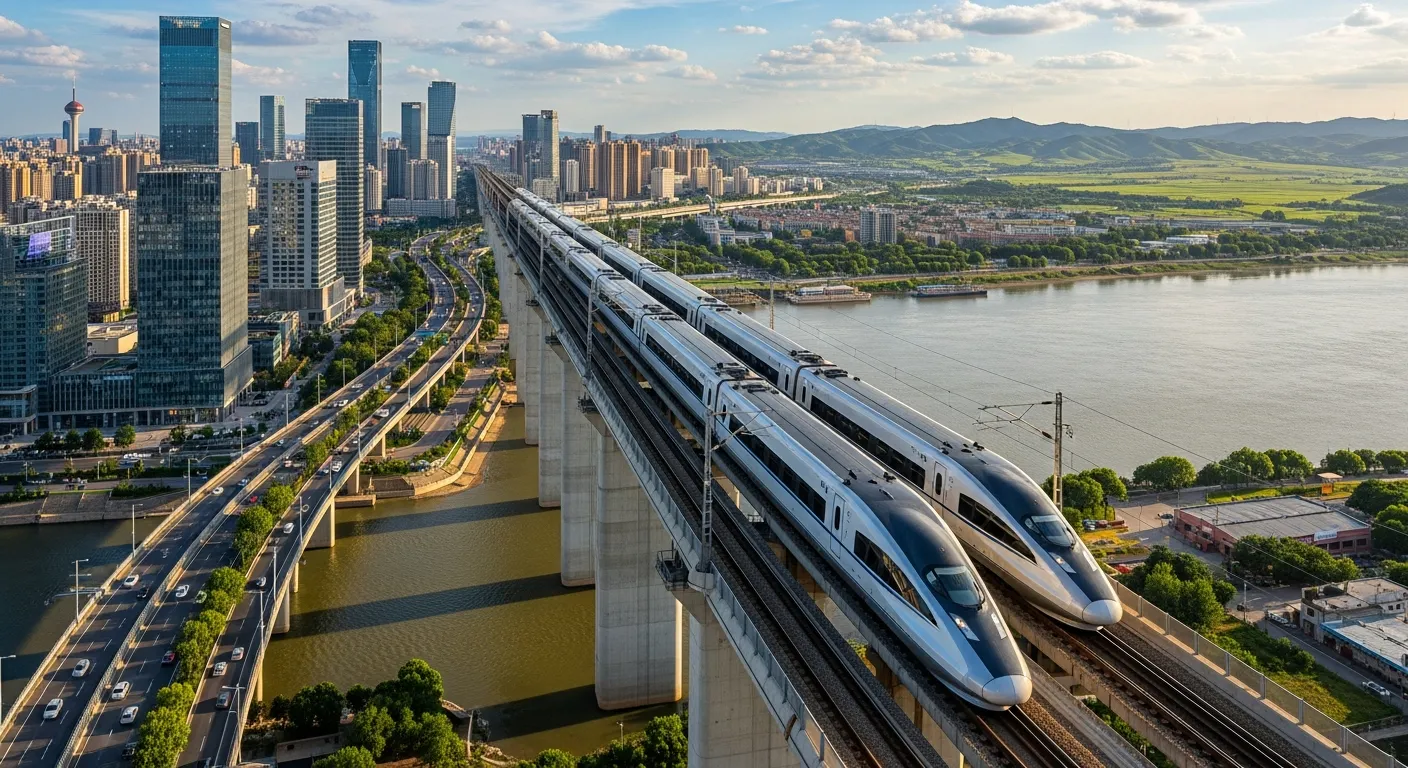
High-speed rail networks offer a low-carbon option to replace short flights and crowded highways. The future of transportation depends on connecting regions quickly and efficiently. Trains operating at speeds above 200 miles per hour are already common in many parts of the world.
Expanding High-Speed Rail Around the World
Global investments in high-speed rail continue to rise as cities and regions recognize the benefits to economic growth, job creation, and overall mobility. China, Japan, and European nations lead the way, with new networks being planned in the United States and other emerging markets. For instance, California’s high-speed rail project aims to connect major cities, reduce commute times, and support greener transportation.
Benefits of High-Speed Rail for Urban and Regional Mobility
- Eco-Friendly: Electric high-speed trains emit less CO2 per passenger-mile than airplanes or cars.
- Reduced Travel Time: Speeds above 250 mph rival short flights for intercity travel—without airport security delays.
- Intermodal Integration: New stations act as urban mobility hubs, connecting trains, buses, micro-mobility, and even electric vehicles for seamless trips.
Modernizing the Train Experience
Innovations in aerodynamics, lightweight materials, and magnetic levitation are pushing speeds beyond 250 mph. Routes that used to take four hours by car now take less than two hours by rail.
High-Speed Rail vs Traditional Rail
|
Feature |
High-Speed Rail |
Traditional Rail |
|---|---|---|
|
Top Speed |
200–300+ mph |
60–120 mph |
|
Energy Source |
Electricity (Green-powered) |
Diesel, mixed electricity |
|
Typical Routes |
City center to city center |
Urban to local commuter |
|
Emission Level |
Very low |
Moderate-high |
Reimagining Urban Mobility for Growing Cities
Rapid city growth places immense pressure on public transit networks. To keep up, cities must redefine urban mobility. The future of transportation requires systems that move high volumes of passengers with low emissions.
Building Integrated Urban Mobility Networks
Today’s successful cities view mobility as a seamless, door-to-door and multimodal journey. Urban planners are piloting new strategies for equitable and smart urban mobility, focusing on user experience and environmental impact.
Strategies for Modern Urban Mobility
- Mobility-as-a-Service (MaaS): Unified apps allow users to plan, pay for, and access buses, bikes, scooters, and trains—all from one platform.
- Contactless Payments: Mobile wallets and smartcards reduce delays, ensure hygiene, and collect valuable data for ongoing urban mobility improvements.
- Dynamic Routing: Predictive analytics inform agencies when and where to add or reduce service, making transit more efficient and reliable.
- On-Demand Microtransit: Flexible, small shuttles serve low-density or underserved communities, filling gaps in fixed-route networks.
Smart Transit Solutions
Cities are deploying various smart urban mobility solutions:
- Bus Rapid Transit (BRT): Dedicated lanes keep buses out of traffic and support reliable travel times.
- Contactless Payments: Riders tap their phones to pay, speeding up boarding and keeping queues moving.
- Predictive Analytics: Data helps agencies see ridership patterns and adjust bus frequencies or train schedules based on real-time demand.
Addressing Urban Mobility Equity
To ensure fairness, on-demand microtransit provides flexible shuttle services in underserved areas. These routes help low-income residents and people with disabilities reach transit hubs, jobs, and healthcare more easily. Investments in wheelchair-accessible vehicles, audio navigation tools, and customer support are vital for truly inclusive urban mobility.
Micro-Mobility and Last-Mile Integration
Short trips need nimble, cost-effective solutions. Electric scooters, bike-share programs, and dockless e-bikes fill the gap for the last mile of a commute. This is a crucial piece of the future of transportation.
Micro-Mobility’s Growing Role
Micro-mobility options continue to multiply, with cities launching pilot programs to assess and maximize their impact. These fleets are frequently integrated with municipal transit apps, creating a seamless travel experience where users can plan a full route—combining buses, trains, and micro-mobility—without juggling multiple tickets or payment methods.
Key Advantages of Micro-Mobility
- Reduced Congestion: Scooters and bikes are perfect for short trips, lessening car use and clearing up roadways.
- Lower Emissions: Electric micro-mobility modes produce a fraction of the emissions of a car over similar distances.
- Flexible Access: Users can pick up and drop off bikes or scooters almost anywhere, adding convenience to daily commuting and errands.
Fleet Management and Urban Policy
Operators use IoT devices to monitor usage, battery life, and location data. City governments implement geo-fencing and incentives for responsible parking to minimize clutter and maintain accessibility. With the future of transportation in mind, stakeholders continue refining rules to balance the needs of riders, non-riders, and the environment.
The Digital Transformation of Transportation
The rapid evolution of digital technology is fundamentally reshaping the future of transportation. This transformation extends far beyond vehicles themselves—it encompasses the entire travel experience, from trip planning to payment, real-time information to intelligent traffic management.
Data-Driven Urban Mobility
Urban mobility platforms now thrive on data analytics. Transportation planners use real-time data feeds from sensors, GPS trackers, and fare payment systems to adjust routes, dispatch additional vehicles, and respond proactively to delays or emergency events. This leads to timelier service and an optimized experience for all passengers.
Smart Infrastructure for the Future
Smart roads embedded with sensors provide live updates on weather, vehicle flow, and occupancy, while intelligent traffic systems adjust lights in real time to reduce bottlenecks. Investments in 5G connectivity and vehicle-to-infrastructure (V2I) communications enable autonomous vehicles and electric vehicles to seamlessly navigate urban environments, ensuring that the future of transportation is both intelligent and agile.
Table: Digital Tools Powering Urban Mobility
|
Tool/Technology |
Purpose |
Impact |
|---|---|---|
|
Mobility-as-a-Service |
Multi-modal journey planning, ticketing |
Seamless, user-friendly travel |
|
IoT Sensors |
Real-time vehicle/location/battery data |
Efficient fleet management |
|
Predictive Analytics |
Demand forecasting/routing optimization |
Reliability, lower operating costs |
|
5G/Connected Infrastructure |
High-speed communication, V2I interface |
Enables autonomous vehicles, safety |
Frequently Asked Questions
What exactly is the future of transportation?
The future of transportation refers to the shift toward cleaner, smarter travel options. It heavily involves electric vehicles, autonomous vehicles, and integrated urban mobility networks to reduce emissions and ease traffic congestion globally.
How do electric vehicles impact urban mobility?
Electric vehicles improve urban mobility by cutting dangerous tailpipe pollution and lowering city noise levels. They serve as the foundation for clean public transit fleets, delivery vans, and personal cars in modern cities.
Why are autonomous vehicles considered safer?
Autonomous vehicles use LiDAR, radar, and artificial intelligence to monitor the road and react instantly. This technology removes human error from driving, which drastically reduces the risk of collisions and traffic accidents.
How can cities improve their current transit systems?
Cities can upgrade urban mobility by investing in smart infrastructure and dedicated transit lanes. For comprehensive planning tips, review these sustainable urban mobility strategies to see how communities reduce reliance on personal cars.
What is the role of high-speed rail in the future of transportation?
High-speed rail connects distant cities rapidly, acting as an eco-friendly alternative to air travel. It integrates seamlessly with local urban mobility networks, allowing travelers to reach their final destinations efficiently.
How do electric vehicles reduce overall carbon footprints?
Electric vehicles produce zero direct tailpipe emissions while driving on the road. As power grids transition to renewable energy sources like wind and solar, the carbon footprint of charging these vehicles drops even further.
What is micro-mobility?
Micro-mobility involves lightweight, short-distance travel options like electric scooters and shared e-bikes. Implementing these vehicles helps solve last-mile transit gaps; you can learn more through various sustainable urban mobility strategies that outline their city-wide benefits.
How do autonomous vehicles help people with disabilities?
Autonomous vehicles provide reliable, on-demand transportation without requiring a licensed human driver. This gives people with visual impairments or physical disabilities the freedom to travel independently across their cities.
What happens to electric vehicle batteries when they get old?
Old electric vehicle batteries are repurposed for energy storage in solar grids or backup commercial power systems. When they completely expire, recycling programs recover valuable metals to build new batteries sustainably.
Can public transit become fully emission-free?
Yes, public transit can eliminate emissions by transitioning entirely to electric and hydrogen-powered fleets. Many modern sustainable urban mobility strategies detail the exact timelines and funding models required to electrify municipal buses and trains completely.
Conclusion
As we step into the future of transportation, the combination of electric vehicles, autonomous vehicles, high-speed rail, and micro-mobility offers a clear path forward. This integrated ecosystem prioritizes sustainability, safety, and accessibility. We must continue to support collaboration among governments, tech developers, and city planners. By embracing smarter urban mobility and cutting-edge innovations, we can build a travel network that serves both the planet and its people, ensuring clean air and smooth journeys for everyone.
