


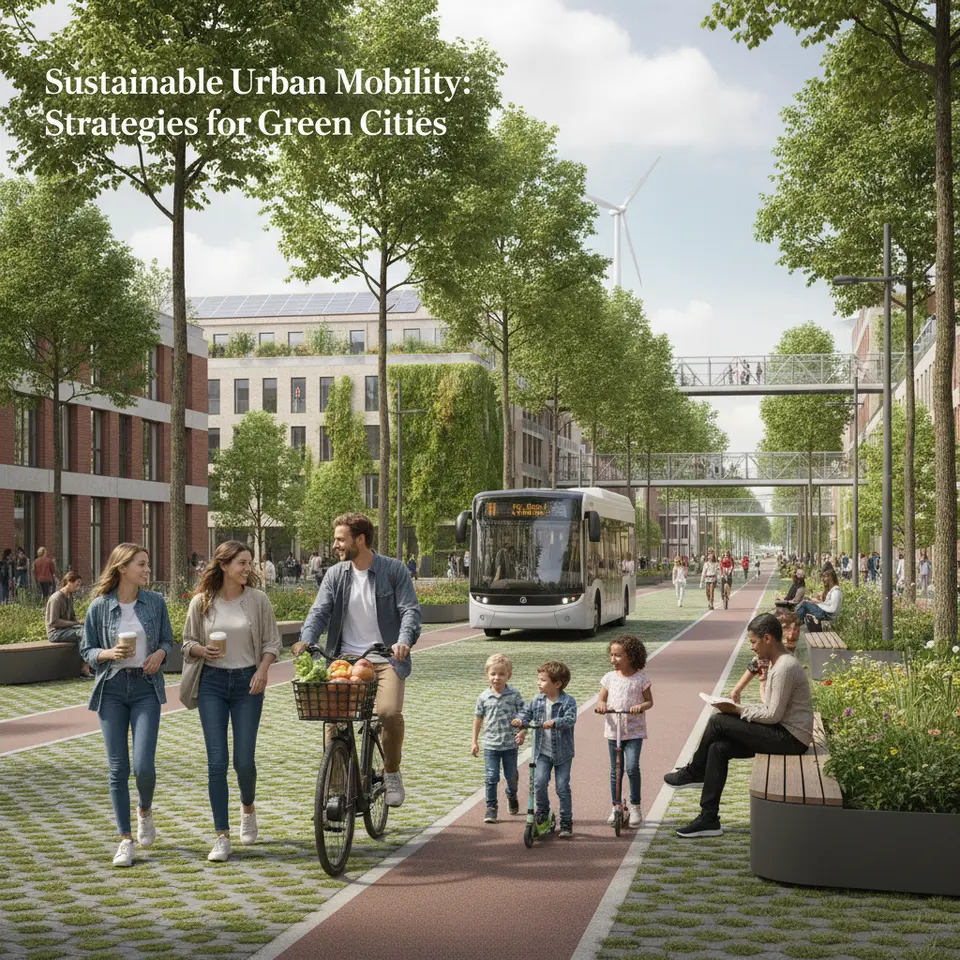
Sustainable urban mobility focuses on greener transport systems through smart city planning, public transit, and clean technologies. By integrating policy, innovation, and community engagement, cities can reduce emissions, improve accessibility, and create healthier living environments.
Cities across the globe face immense pressure to house growing populations while reducing environmental damage. As more people move into urban centers, congestion worsens, public health concerns rise, and the strain on aging infrastructure grows. Sustainable urban mobility sits at the center of this transformation, offering both critical challenges and unique opportunities for city leaders, planners, and residents alike.
Policy and governance provide the guardrails that ensure sustainable urban mobility strategies are effective, fair, and future-proof. Visionary city planning, supportive regulations, and comprehensive mobility policies steer urban growth toward sustainability, integrating land use with transportation and incentivizing behaviors that favor public transit and low-emission options. Coordinated efforts across government agencies, private partners, and local communities are essential in designing systems that serve everyone, not just a privileged few.
In this era of rapid urbanization, the opportunity for cities to lead on sustainable urban mobility has never been greater. By marrying technological innovation with bold policy frameworks, urban leaders can create thriving, resilient, and connected cities where quality of life improves for all and the planet’s resources are safeguarded for future generations.
Understanding Sustainable Urban Mobility
Sustainable urban mobility means creating transit systems that address immediate travel needs without jeopardizing the well-being of future generations. By cutting greenhouse gas emissions, urban planners ensure that transportation networks remain resilient and fully inclusive for all residents. At its heart, sustainable urban mobility emphasizes shared transit options and strategies that encourage a sweeping shift away from the dominance of private cars toward public transit, cycling, and walking.
Cities across the world are already proving that this approach brings tangible benefits. For example, Bogotá’s TransMilenio Bus Rapid Transit system has transformed daily commutes for millions. The city prioritized dedicated bus lanes, swift boarding, and affordable fares; today, this public transit system moves more passengers quickly and efficiently than traditional bus lines ever could. In Europe, Amsterdam has steadily increased its investments in cycling infrastructure. By adding hundreds of miles of bike lanes and installing ample bike parking—especially at train stations—the city now boasts that more than 60% of trips in the city center are made by bicycle, reducing congestion and cutting pollution.
Other successful initiatives show the diversity of paths cities can take. Curitiba, Brazil, pioneered a model of integrated land use and transit through carefully planned BRT routes—an approach now studied globally. This integration minimized sprawl, reduced traffic jams, and ensured that green spaces remained core to the city’s layout. In Asian megacities like Singapore, combining smart congestion pricing with an extensive, reliable metro system has dramatically reduced the number of cars on roads, improving air quality and freeing up valuable urban land for parks and housing.
The Core of Modern City Planning
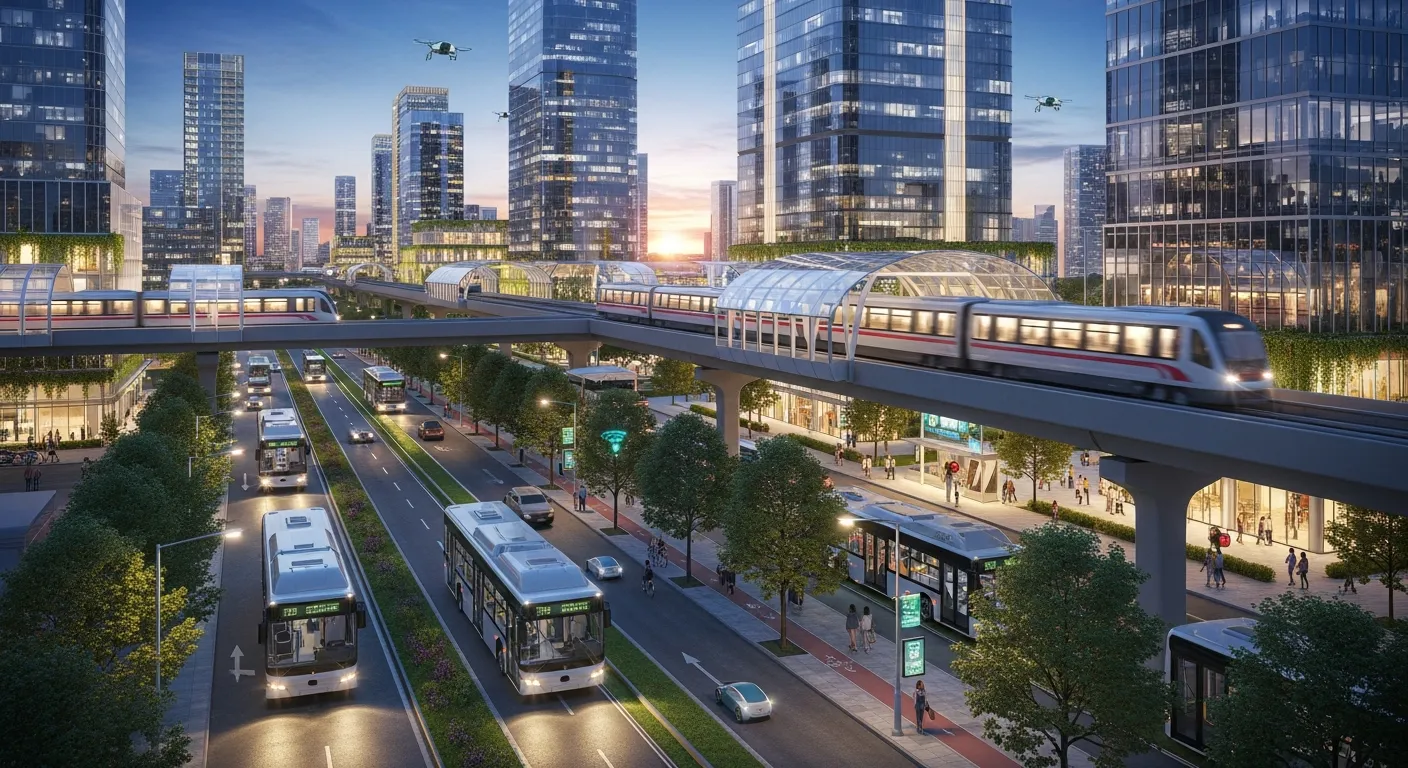
Effective city planning for sustainable urban mobility involves a broad set of strategies that integrate transportation, land use, technology, and social equity to create cities where people can move efficiently, safely, and with minimal environmental impact.
Another best practice is the “complete streets” approach. This urban planning principle ensures roads are safe and accessible for all users—pedestrians, cyclists, motorists, and people with disabilities. Cities like Vancouver and Melbourne are recognized global leaders in complete streets adoption, incorporating traffic-calming features, wide sidewalks, protected bike lanes, pedestrian crossings, and curb extensions to create inviting public spaces. These elements help slow vehicle speeds and encourage walking or cycling as practical alternatives to driving.
Inclusive planning goes hand-in-hand with social equity. Planners must specifically address the needs of historically underserved areas by mapping out transit deserts—places where public transportation is limited or absent—and channeling investments there. This can include expanding bus coverage, establishing affordable fares for low-income riders, or building safe pedestrian walkways and ramps. Programs in Los Angeles and Seoul have targeted such investments, improving access to jobs, education, and essential services.
Prioritizing Public Transit Networks
High-quality public transit serves as the backbone of sustainable urban mobility, providing a proven means to reduce car dependency and enhance quality of life for city dwellers. Around the world, standout examples underscore the transformative impact of effective transit systems:
- Hong Kong’s MTR (Mass Transit Railway) exemplifies efficiency and accessibility, offering punctual service and wide network coverage. With trains arriving every few minutes and stations located within walking distance of most homes and businesses, the MTR enables over 90% of the city’s daily journeys to be made without private vehicles.
- London’s Underground and Bus Network efficiently integrates multiple transit modes. The world-famous Tube, supported by a comprehensive bus system and contactless fare payments, moves millions every day, cutting congestion and ensuring that even the city’s sprawling suburbs are connected to its economic core.
- Singapore’s MRT (Mass Rapid Transit) pairs advanced technology with affordability. The city-state’s smart card system, frequent service, and seamless transfers to buses and bike shares make it easy for residents to opt for public transport over personal cars. This has contributed to a dramatic decrease in traffic congestion and air pollution.
- Tokyo’s Rail System stands out for density and reliability. With an extensive web of subway and commuter rail lines, timely schedules, and strong connections to adjacent cities, Tokyo maintains some of the highest public transit ridership rates globally—over 8 million daily passengers on the Yamanote Line alone.
These successful networks share core features: high-frequency service, intermodal connectivity, real-time updates, integrated fare systems, and sustained investment in infrastructure and maintenance. They offer tangible benefits:
- Economic Uplift: Proximity to public transit hubs spurs job growth, revitalizes neighborhoods, and attracts new businesses.
- Reduced Congestion and Emissions: Cities with strong transit networks observe significant declines in traffic jams and automobile pollution.
- Social Equity: Affordable, reliable transit expands access to employment, education, and healthcare for all socioeconomic groups.
Modern BRT corridors reflect these principles by featuring segregated lanes, off-board fare collection, and smart traffic signals, guaranteeing speed and reliability comparable to light rail—often at a fraction of the cost. For smaller neighborhood connections, on-demand microtransit fills crucial first-mile and last-mile gaps. These flexible green transportation options link riders directly to main public transit hubs.
Modern BRT corridors feature segregated lanes, off-board fare collection, and smart traffic signals. These upgrades guarantee speed and reliability comparable to light rail at a fraction of the cost. For smaller neighborhood connections, on-demand microtransit fills crucial first-mile and last-mile gaps. These flexible green transportation options link riders directly to main public transit hubs.
The Role of Green Transportation
Green transportation acts as one of the most effective tools for transforming city life. It encompasses a broad set of initiatives, from the rollout of zero-emission electric buses and trains to the proliferation of cycling infrastructure and pedestrian-friendly zones. Through these combined efforts, cities are witnessing cleaner air, reduced greenhouse gas emissions, and healthier public spaces.
One standout example is Shenzhen, China, which became the world’s first city to electrify its entire public bus fleet—over 16,000 buses now run without producing tailpipe emissions. This ambitious move has drastically cut local urban air pollution and noise levels. In Los Angeles, the Metro’s ongoing “NextGen” bus system update features not only more electric buses but also enhanced scheduling, bus-only lanes, and real-time tracking apps that improve reliability while reducing both journey times and overall congestion.
Another landmark initiative can be found in Copenhagen, Denmark, a city recognized globally as a leader in sustainable urban mobility. Thanks to 400+ kilometers of dedicated and protected bike lanes, more than 40% of Copenhageners commute by bicycle throughout the year. “Cycle Superhighways” connect the city’s suburbs to the urban core, further displacing car trips and limiting traffic jams. Similarly, Medellín, Colombia, has built extensive cable car networks to link hillside communities with major transit nodes, boosting social inclusion and cutting down the need for polluting motorcycle taxis.
The environmental and social impacts of these initiatives are significant:
- Improved Air Quality: Cities observe sharp decreases in particulate matter and nitrogen dioxide levels after transitioning to electric fleets or banning older diesel vehicles.
- Reduced Traffic Congestion: Prioritizing public transit and active mobility options consistently cuts time lost in traffic and improves urban productivity.
- Public Health Gains: More cycling and walking translate directly to lower rates of respiratory illness, obesity, and chronic diseases, according to urban health studies from Paris and Portland.
- Climate Resilience: Green infrastructure, such as urban tree canopies along new mobility corridors, helps to moderate urban heat islands, absorb rainfall, and provide year-round shade and recreation.
These real-world examples demonstrate that investments in green transportation not only reshape the way people move through cities but also deliver profound, measurable improvements in environmental sustainability, urban vitality, and overall quality of life. By replicating and expanding upon such efforts, cities worldwide can accelerate the shift toward a future defined by sustainable urban mobility.
Moving Away from Fossil Fuels
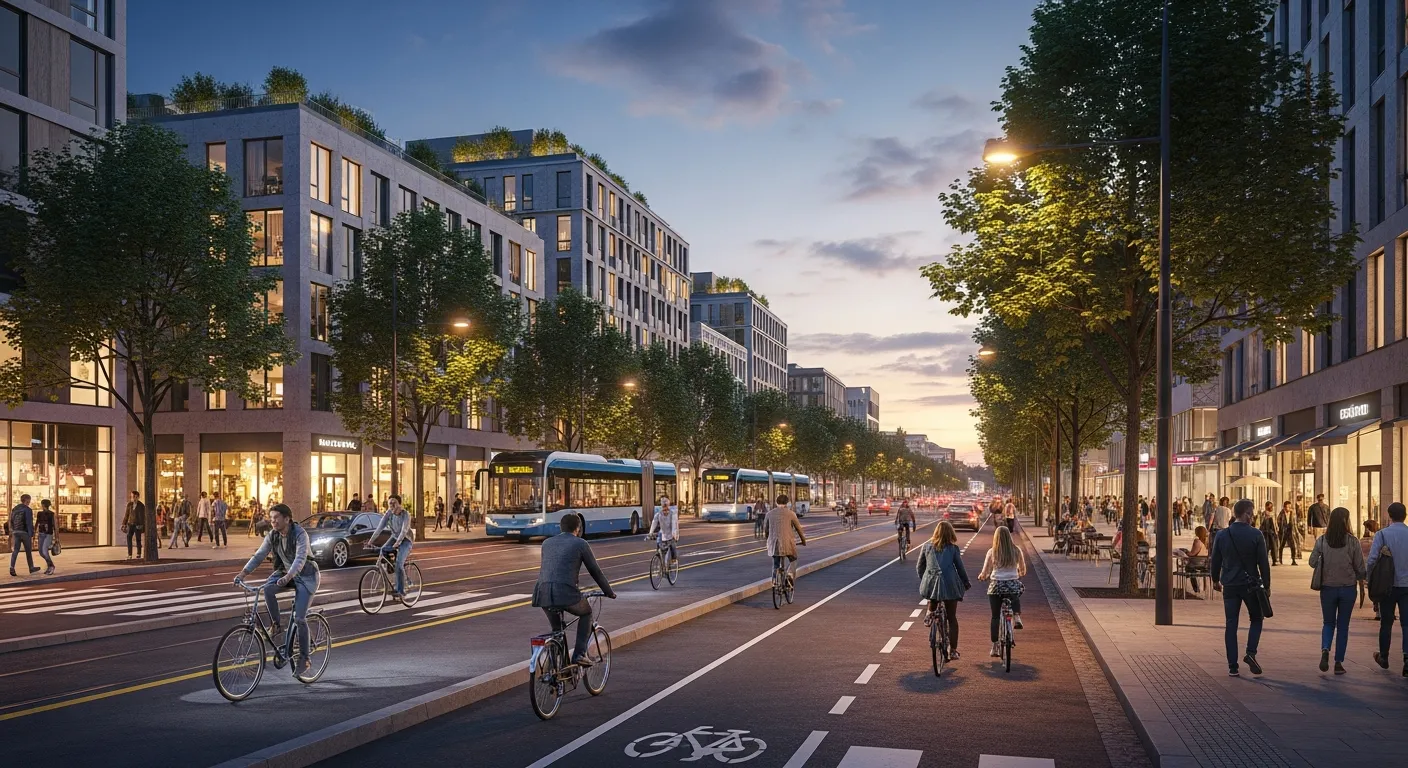
Electric vehicles have emerged as an absolute cornerstone of sustainable urban mobility. By eliminating dangerous tailpipe emissions and lowering noise pollution, they create cleaner streets. Improving battery technologies and falling costs make green transportation accessible for private cars, public transit buses, and commercial fleets.
City planning must focus heavily on building robust charging infrastructure. Planners install fast-charging stations along major highways and integrate smart chargers into residential blocks. These networked chargers communicate directly with energy grid operators to optimize electricity flows. This prevents grid overloads and enables vehicle-to-grid energy sharing.
Electric Vehicles Unpacked
Understanding the mechanics behind green transportation is vital for effective city planning. If you want to grasp the basics of this technology, you can easily learn what an electric vehicle is and how it impacts local power grids.
Furthermore, exploring the mechanical differences helps demystify the technology for everyday drivers. You can review exactly how all-electric cars work to see why they require significantly less maintenance than gas engines.
- Zero Emissions: They produce no direct exhaust pollution.
- Energy Efficiency: Electric motors convert energy much more efficiently than combustion engines.
- Quiet Operation: They drastically reduce noise pollution in dense neighborhoods.
- Low Maintenance: Fewer moving parts mean cheaper long-term upkeep.
Comparing Traditional Transit and Green Transportation
|
Feature |
Traditional Transit |
Green Transportation |
|---|---|---|
|
Fuel Source |
Gasoline or Diesel Fuel |
Electricity or Hydrogen |
|
Emissions |
High levels of carbon dioxide |
Zero direct tailpipe emissions |
|
City Planning Impact |
Requires massive parking lots |
Integrates with smart grid systems |
|
Public Transit Role |
Phasing out globally |
The future of sustainable urban mobility |
Key Challenges in City Planning
Despite clear benefits, implementing sustainable urban mobility strategies faces severe obstacles that vary widely across cities. Rapid urban growth intensifies the demand for reliable infrastructure, often stretching legacy road networks and older public transit systems beyond their limits. For example, cities like Mumbai and Lagos grapple with chronic traffic congestion due to outdated signal systems, limited mass transit options, and an ever-increasing influx of personal vehicles. Similarly, North American cities such as Los Angeles and Toronto face sprawl-related challenges, where decades of car-centric suburban expansion have made it difficult to retrofit public transit lines or build efficient cycling paths.
One pressing difficulty is the presence of institutional silos. In many metropolitan areas, responsibilities for roads, buses, zoning, and environmental protection are divided among multiple agencies with little communication between them. This fragmentation leads to overlapping projects, inconsistent regulations, or bottlenecks in decision-making that slow down essential mobility improvements. A potential solution involves establishing integrated mobility authorities empowered to coordinate cross-sectoral policy development, pool resources, and set unified standards. Amsterdam and London have demonstrated the effectiveness of such agencies, streamlining the delivery of large-scale projects.
Another major challenge centers on funding limitations. Tight city budgets must be stretched to cover not only new mobility investments but also rising costs in other essential sectors like health, housing, and education. Developing countries may struggle even more to secure capital for ambitious green transportation agendas due to restricted access to global finance or economic instability. Innovative solutions here include public-private partnerships, congestion pricing to raise revenue directly from drivers, and the creation of urban mobility “green banks” that blend public funds with private capital to finance upgrades. For instance, Stockholm’s congestion charging scheme both curbed traffic and generated funds that were diverted directly into public transit enhancements.
Funding Public Transit Upgrades
Financial constraints represent a massive barrier for city planning departments. Expanding rail lines, building protected cycling lanes, and upgrading public transit fleets require vast capital investments. Competing budget priorities like healthcare and public safety frequently delay green transportation projects.
To bridge these funding gaps, municipalities explore public-private partnerships. Some city planning teams issue green bonds to tap into global climate finance markets. This lowers borrowing costs for sustainable urban mobility upgrades. Financial creativity is essential to keep public transit projects moving forward.
Changing Commuter Habits
Social acceptance and behavioral inertia pose severe challenges to green transportation. Many residents remain deeply attached to private car ownership due to perceived status or convenience. Overcoming these deep preferences demands targeted community outreach campaigns.
City planning departments host car-free days and demonstration projects that showcase alternative modes. By working closely with local organizations, planners craft effective incentives. These educational initiatives gradually shift daily travel habits toward sustainable urban mobility.
Innovations in Sustainable Urban Mobility
Technological hurdles emerge when cities integrate new software with legacy infrastructure. Still, the march of innovation is rapidly transforming what’s possible within sustainable urban mobility. Cities on the leading edge are deploying a wide variety of smart mobility technologies that enhance efficiency, accessibility, safety, and sustainability for all residents.
One of the most visible advances is the expansion of Intelligent Transport Systems (ITS). These platforms combine real-time data feeds from sensors embedded in roadways, public transit vehicles, and traffic signals. By harmonizing this information, ITS can dynamically adjust signal timings during peak hours, clear the way for emergency vehicles, and instantly reroute traffic around accidents or construction zones. For instance, Stockholm’s ITS network led to a 20% drop in congestion and a 10% cut in travel times citywide.
Finally, digital twins—virtual replicas of physical transport networks—are enabling city planners to simulate and predict the impact of new mobility projects before construction begins. Singapore’s Virtual Singapore platform allows for trials of new bus routes or traffic layouts in a 3D model, helping planners optimize investments and assess their effects on congestion and emissions with minimal risk.
The Impact on Cities
The impact of these technological innovations in sustainable urban mobility is already tangible worldwide:
- Reduced Congestion: Dynamic traffic management and real-time routing mean shorter, more predictable commutes and less gridlock, translating to economic productivity gains.
- Enhanced Equity: Mobile ticketing, community-based data sharing, and microtransit help bridge gaps for underserved neighborhoods and populations.
- Environmental Benefits: Cleaner electrified fleets, optimized charging, and zero-emission micro-mobility options help cities sharply reduce air and noise pollution.
- Improved Safety: AI-driven monitoring, predictive maintenance, and accessible crossing technology reduce accidents and keep both drivers and pedestrians safer.
- Informed Planning: Rich data streams and digital twins enable more effective public input, allowing cities to fine-tune infrastructure and services in response to real community needs.
- Greater Flexibility: Smart mobility platforms and MaaS provide urban dwellers with versatile journey planning, supporting spontaneous, multimodal commuting.
With visionary policy, sound investments, and resident engagement, technological innovation transforms sustainable urban mobility from an abstract goal into an everyday experience—moving cities toward greener, smarter, and more connected futures.
Smart Infrastructure Integration
Smart infrastructure investments transform how city planning teams manage daily traffic. Intelligent Transport Systems leverage IoT sensors, connected vehicle data, and artificial intelligence. These systems dynamically adjust traffic signals, reroute cars around accidents, and provide real-time public transit updates.
Integration with mobile phone applications allows drivers to receive instant updates on parking availability. This dramatically reduces search time and cuts emissions from idling vehicles. By combining green transportation with smart systems, cities unlock incredible efficiency.
Data-Driven City Planning
Data platforms analyze ridership patterns across public transit networks. This allows agencies to adjust bus frequencies and routes dynamically based on real demand. Predictive maintenance, powered by smart sensors, alerts technicians to vehicle wear and tear before complete failures occur. This maximizes asset uptime and reduces total maintenance costs for green transportation fleets.
Active Travel and Micro-Mobility
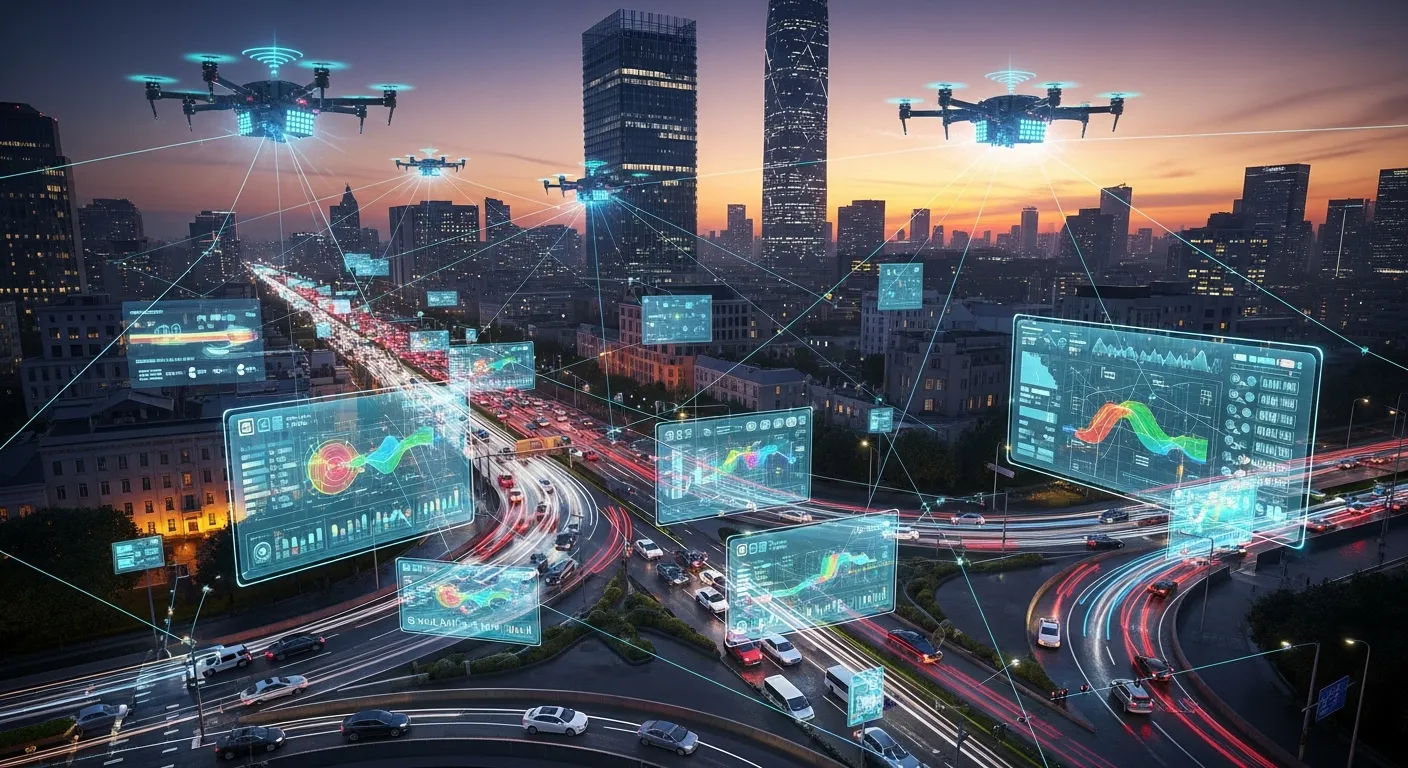
Active travel methods such as walking and cycling stand out as essential pillars of sustainable urban mobility and are proven to deliver a range of economic, health, and environmental benefits in cities across the globe. When city planners invest in protected bike lanes, widened sidewalks, and pedestrian plazas, they do more than create safe corridors—they fundamentally reshape how people choose to move, often inspiring entire populations to transition from car-reliant habits to greener, healthier forms of transportation.
Walking, too, has benefited from targeted city investments. In New York City, the transformation of Broadway and Times Square into a pedestrian plaza not only encouraged more foot traffic but also led to a 35% reduction in pedestrian injuries and boosted local business revenues. Tokyo’s “Pedestrian Paradise” programs temporarily close major roads on weekends, giving residents safe, car-free streets for recreation, community events, and shopping. These initiatives foster community engagement, improve air quality, and encourage healthier lifestyles.
The combined impact of active travel and micro-mobility on urban mobility is significant. These modes help to:
- Decongest crowded roads, reducing overall commute times even for drivers.
- Lower greenhouse gas emissions and noise, leading to improved air quality and a quieter city environment.
- Promote equity by enabling affordable transportation options accessible to everyone, including those who do not own cars or who cannot drive.
- Drive public health improvements by increasing daily physical activity, reducing chronic diseases, and lowering healthcare costs related to air pollution and inactivity.
- Spark local economic development through increased foot traffic, higher retail sales, and thriving street-level businesses.
To further support the adoption of these modes, many cities invest in wayfinding signage, bike repair stations, bike-parking corrals, public restrooms, and street trees that provide comfort on hot days. Programs such as “Safe Routes to School” in the United States and “Walk to School Week” in the United Kingdom have proved the effectiveness of targeted policies in cultivating lifelong healthy habits among young residents.
Ultimately, expanding active travel and micro-mobility solutions is vital for meeting ambitious climate targets, increasing resilience to future disruptions, and creating urban environments where mobility is safe, enjoyable, and sustainable for all.
Designing for Pedestrians and Cyclists
Cities that sustain funding for traffic calming measures routinely see cycling modal shares skyrocket. Parking management serves as another powerful lever for encouraging sustainable urban mobility. By reducing minimum parking requirements for new buildings, city planning teams discourage unnecessary car trips.
Revenue generated from dynamic street parking fees can be reinvested directly into public transit. Short-distance travel demands nimble and cost-effective solutions. Electric scooters, bike-share programs, and dockless e-bikes fill the critical gap for the last mile of a commute.
When you integrate micro-mobility with public transit schedules, you create a seamless journey. This level of sustainable urban mobility reduces our heavy reliance on private cars and clears up congested city streets.
Policy and Community Engagement
Effective policy frameworks are absolutely essential to institutionalize sustainable urban mobility. Comprehensive city planning must perfectly align land-use, environmental, and economic objectives, ensuring that transport investments serve the needs of current residents while safeguarding opportunities for future generations. Robust zoning reforms can mandate higher housing densities near major public transit stations and incentivize mixed-use developments that reduce overall travel distances.
Strong community engagement strategies may include:
- Participatory Budgeting: Allowing residents to propose and vote on specific mobility and infrastructure projects, ensuring funding aligns with real community needs.
- Neighborhood Mobility Committees: Establishing regular community meetings at the neighborhood level to review transit proposals, monitor progress, and resolve mobility challenges.
- Pilot and Demonstration Projects: Testing new bus lanes, traffic-calming measures, car-free days, or cycling corridors with comprehensive public feedback before permanent adoption.
- Youth Engagement Initiatives: Partnering with local schools and youth organizations to encourage active travel habits and gather ideas from the next generation of city residents.
- Accessible Communication: Translating all engagement materials, hosting multilingual workshops, and using both in-person and digital forums to reach a wide variety of residents, including those without internet access.
Ultimately, successful sustainable urban mobility depends on building coalitions that include not just transport authorities, but also community groups, businesses, health agencies, and advocacy organizations. When policy frameworks are paired with ongoing, meaningful community engagement, the result is not only more effective mobility systems—but also cities that are fairer, healthier, and more resilient to future challenges.
Structuring Green Transportation Laws
Governance structures that promote interagency coordination help streamline critical decision-making. Regional transport authorities, city planning departments, and utility companies must share transit data. Transparent mechanisms for public consultation guarantee that green transportation plans reflect diverse local voices.
Financing tools like mobility-as-a-service subscriptions offer highly innovative revenue streams. Mobility subscription models bundle public transit, bike-share, and car-share services under a single monthly payment. This heavily incentivizes sustainable urban mobility.
Achieving true sustainable urban mobility demands a thoroughly holistic approach. By uniting green transportation technology, progressive policy, and deep public participation, cities build resilient public transit ecosystems. We must meet the mobility needs of today without ever compromising the health of tomorrow.
Frequently Asked Questions
1: What exactly is sustainable urban mobility?
Sustainable urban mobility refers to transit systems designed to move people efficiently while minimizing environmental damage. It heavily prioritizes green transportation, cycling, and robust public transit over single-occupancy gas vehicles. This approach is essential for creating clean, accessible, and highly resilient green cities.
2: How does city planning impact green transportation?
Effective city planning shapes how green transportation networks are built and utilized. By grouping housing and commercial zones near major transit hubs, planners reduce the need for long car commutes. Careful design ensures that public transit and pedestrian pathways remain highly accessible to everyone.
3: Why is public transit crucial for sustainable urban mobility?
Public transit moves massive amounts of people using far less energy per person than private cars. High-capacity trains and electric buses drastically cut total greenhouse gas emissions and ease severe traffic congestion. A reliable transit network forms the absolute backbone of all sustainable urban mobility initiatives.
4: What is the main goal of green transportation?
The primary goal of green transportation is to eliminate harmful carbon emissions from daily travel. It relies on electric vehicles, active cycling, and renewable energy to protect local air quality. You can read how the future of transportation shaping tomorrow depends entirely on adopting these eco-friendly methods globally.
5: How can cities fund major public transit upgrades?
Cities fund public transit upgrades through a combination of public-private partnerships, federal grants, and green municipal bonds. They also generate steady revenue by implementing dynamic parking pricing and toll roads. These funds are then directly reinvested into expanding sustainable urban mobility networks.
6: What role does technology play in city planning?
Technology allows city planning departments to monitor traffic flows and transit ridership in real time. Planners use smart data analytics to optimize bus routes, synchronize traffic lights, and prevent transit delays. This data-driven approach dramatically improves the overall efficiency of sustainable urban mobility.
7: How do electric vehicles support green transportation goals?
Electric vehicles support green transportation by producing zero direct tailpipe emissions while driving. They serve as clean replacements for heavily polluting gas-powered buses, delivery vans, and personal cars. Discovering how the future of transportation, shaping tomorrow, integrates EVs helps communities achieve their net-zero climate targets.
8: What is micro-mobility in sustainable urban mobility?
Micro-mobility involves lightweight vehicles like electric scooters and shared bicycles used for very short trips. These tools easily connect riders from their homes directly to major public transit stations. They solve the common “last-mile” problem inherent in modern sustainable urban mobility planning.
9: Why is community engagement important for city planning?
Community engagement ensures that new city planning projects actually meet the daily needs of local residents. When citizens actively participate in public transit planning, they are much more likely to support the changes. Public backing is critical for funding and building massive, sustainable urban mobility infrastructure.
10: Can sustainable urban mobility really reduce city traffic?
Yes, sustainable urban mobility drastically reduces traffic by offering fast, reliable alternatives to driving. When public transit and safe cycling routes become highly convenient, citizens naturally leave their cars at home. Implementing the future of transportation, shaping tomorrow proves that robust green transportation permanently clears congested roadways.
Conclusion
Advancing sustainable urban mobility remains a massive, multifaceted challenge that demands immediate collaboration and creative determination from every stakeholder. Throughout this blog, we’ve explored how cities worldwide are facing rapid urbanization, environmental degradation, and growing transport demands by embracing forward-thinking solutions rooted in effective city planning, robust public transit networks, and innovative green transportation technologies. From the reinvention of urban spaces through mixed-use zoning and transit-oriented development to the remarkable success of electrified fleets and micro-mobility, the strategies for building cleaner, healthier, and more equitable cities are already proving their value on a global scale.
