


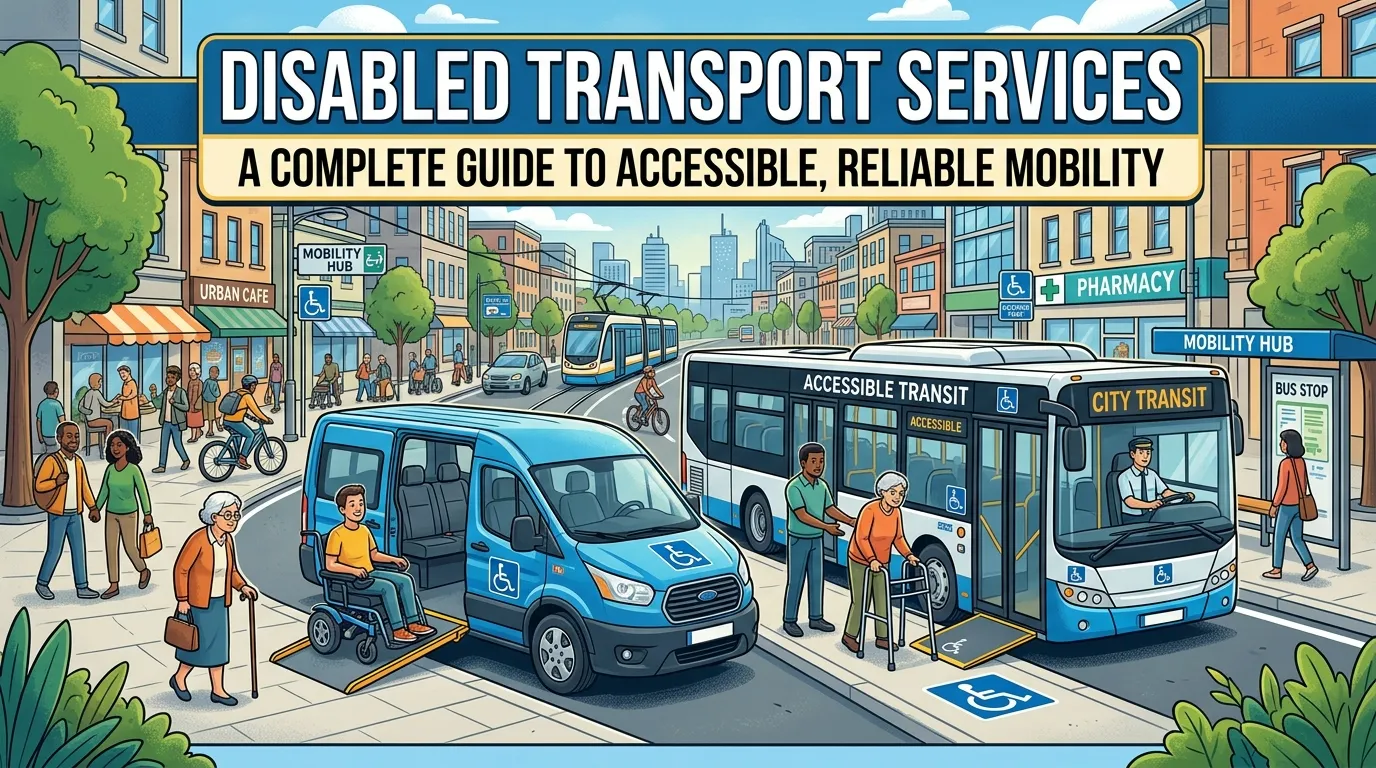
Disabled transport services provide safe, accessible, and reliable travel for people with disabilities, seniors, and medical patients. This guide explains service types, selection tips, costs, booking advice, and how accessible transportation promotes independence and inclusion.
Getting from one place to another shouldn’t feel like an obstacle course. Yet for millions of people living with disabilities, the simple act of reaching a doctor’s appointment, a workplace, or a friend’s home can become a daily challenge. Disabled transport services exist to remove those barriers, offering safe, dignified, and dependable travel for people who need a little extra support to stay mobile and connected.
This guide walks you through everything you need to understand about these services, from how they work to how to choose the right one for your situation. Whether you’re arranging travel for yourself, a loved one, or a person in your care, you’ll learn what to look for, what questions to ask, and how to feel confident in your decision. Here’s what you’ll take away:
- What disabled transport services actually include and who they serve
- The different types of accessible travel options available
- How to choose a provider you can trust
- Practical tips for booking, costs, and getting the most from each ride
Let’s begin with the basics.
What Are Disabled Transport Services?
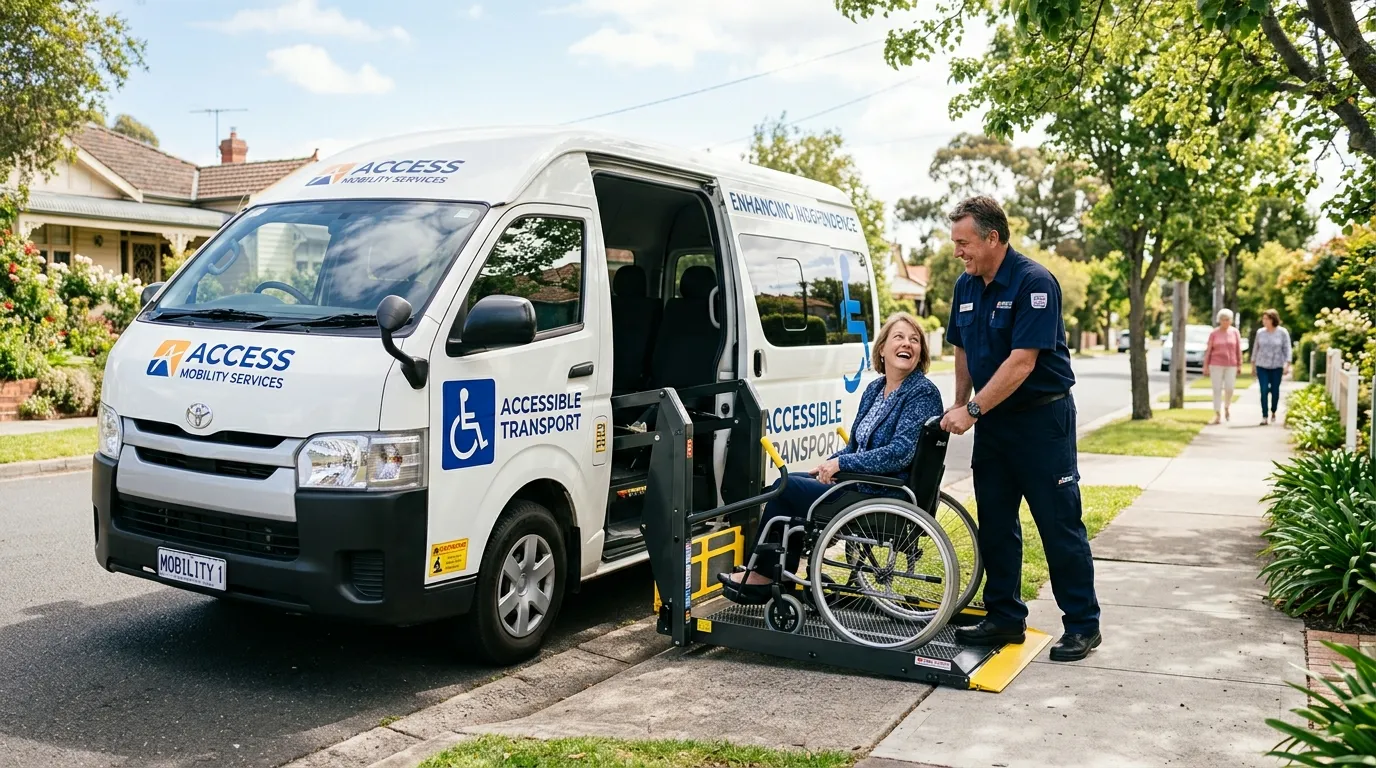
Disabled transport services are travel options designed specifically to meet the needs of people with physical, sensory, cognitive, or developmental disabilities. They go beyond standard transportation by offering vehicles, equipment, and trained staff that make every journey safe and comfortable. The goal is simple: to give everyone the freedom to move through life with independence and dignity.
These services fill a vital gap. Many people cannot use conventional buses, taxis, or trains without significant difficulty or risk. A wheelchair user, for example, needs a vehicle with a ramp or lift. Someone with a visual impairment may need a driver who offers door-to-door guidance. Disabled Transportation Services account for these needs at every step.
The people who rely on these services come from all walks of life. They include seniors with limited mobility, children with special needs traveling to school, adults attending medical treatments, and individuals living with chronic conditions. What unites them is a shared need for transport that adapts to them, rather than forcing them to adapt to the transport.
Key takeaway: Disabled transport services provide adapted, supportive travel that prioritizes safety, dignity, and independence for people who can’t easily use standard transportation.
Why These Services Matter So Much
Mobility is freedom. When you can travel where you want, when you want, you stay connected to work, family, healthcare, and community. Losing that freedom can be isolating and frightening. Accessible Transport restores it, opening doors that would otherwise stay firmly shut.
Consider how much depends on reliable travel. Missing a medical appointment can set back a person’s health. Being unable to reach a job can threaten financial security. Skipping social outings can lead to loneliness and depression. Dependable transport touches every part of a person’s wellbeing.
For families and caregivers, these services also provide peace of mind. Knowing a loved one will be picked up safely, supported during the trip, and delivered to their destination removes an enormous source of worry. That reassurance is worth a great deal.
The Core Principles Behind Quality Service
Not every provider operates the same way, but the best ones share a common foundation. When you understand these principles, you can quickly tell whether a service truly puts riders first.
- Safety first: Properly equipped vehicles and trained staff protect every passenger.
- Dignity always: Riders are treated with respect, never as a burden.
- Reliability matters: On-time pickups and dependable schedules build trust.
- Personalized care: Services adapt to each rider’s specific needs.
- Clear communication: Easy booking and honest information reduce stress.
Who Benefits From Disabled Transport Services?
A wide range of people depend on accessible travel, and their needs vary greatly. Understanding these groups helps clarify just how essential and versatile these services are.
Seniors With Limited Mobility
Aging often brings reduced strength, balance issues, and difficulty walking long distances. Many older adults can no longer drive safely or navigate public transit comfortably. Mobility Assistance allows them to keep their independence, attend appointments, and stay socially active without relying solely on family members.
For seniors, a friendly driver and a smooth, supported journey can make all the difference. The service becomes more than transport; it becomes a lifeline to the outside world and a source of regular, reassuring human contact.
People Who Use Wheelchairs or Mobility Devices
Wheelchair users, along with people who use walkers, scooters, or other mobility aids, require vehicles built to accommodate their equipment. Standard cars and taxis simply can’t manage this safely. Accessible Transport provides ramps, lifts, securement systems, and spacious interiors designed for these exact needs.
The right vehicle does more than fit the device. It ensures the rider stays securely positioned throughout the trip, preventing dangerous shifts or falls. This level of care is something ordinary transport can rarely match.
Children and Adults With Special Needs
Transporting individuals with developmental, cognitive, or sensory disabilities calls for patience, training, and sometimes specialized equipment. Special Needs Transportation focuses on creating calm, predictable, and supportive journeys that reduce anxiety and keep riders comfortable.
For children traveling to school or therapy, this often means trained aides, familiar routines, and gentle communication. For adults, it might involve support with boarding, clear instructions, and a reassuring presence throughout the ride.
Medical Patients
People undergoing regular treatments, such as dialysis or chemotherapy, often feel weak or unwell after their sessions. They need transport that’s gentle, reliable, and attentive. Non-emergency medical transport is a major part of disabled transport services, ensuring patients reach their care safely and return home comfortably.
Key takeaway: From seniors to children with special needs, accessible travel serves a broad community, each with unique requirements that quality providers are equipped to meet.
Types of Disabled Transport Services Available
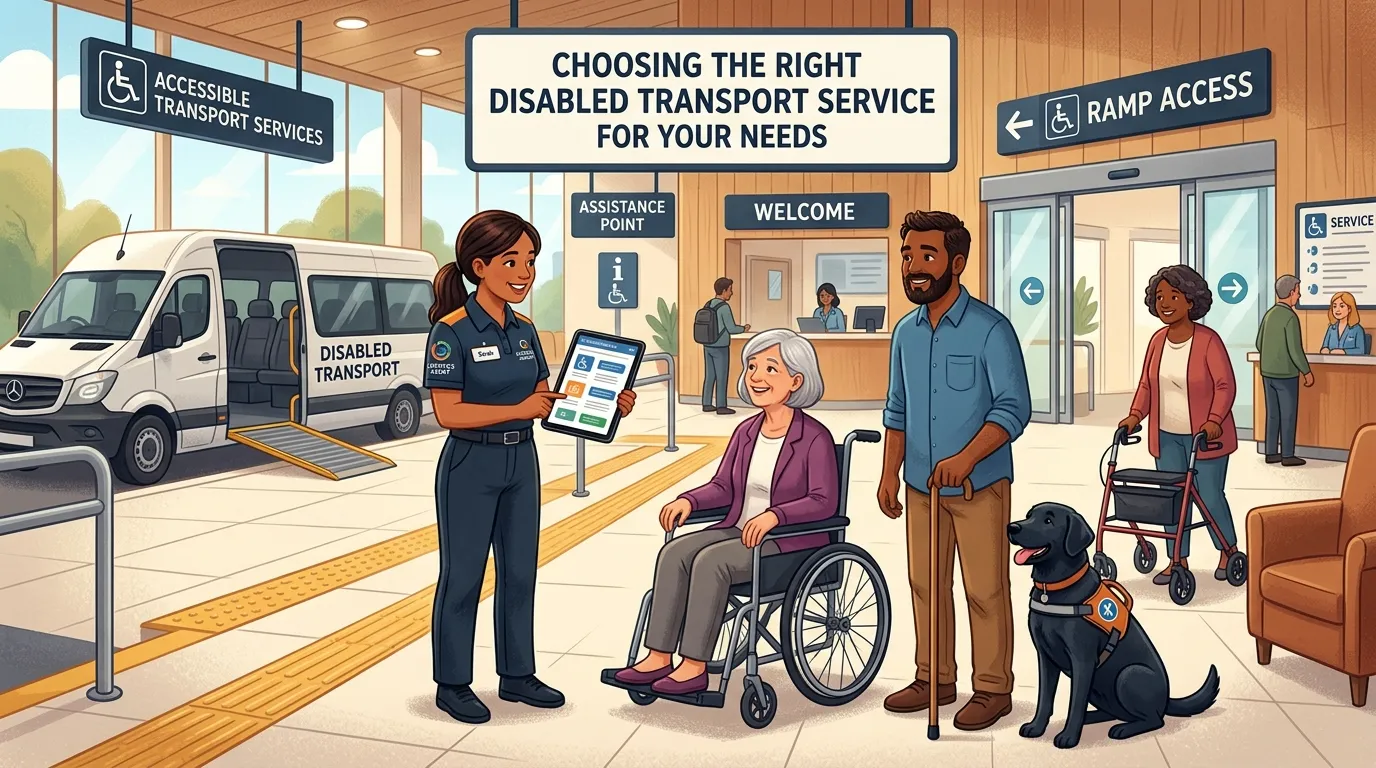
Accessible travel comes in many forms. Knowing the options helps you match the right service to the right situation. Each type has its own strengths, costs, and ideal uses.
Paratransit Services
Paratransit is a shared, demand-response service often run by public transit agencies. It serves people who cannot use fixed-route buses or trains due to a disability. Riders typically book trips in advance, and the service picks them up close to their door.
This option tends to be affordable, since it’s often subsidized. However, because trips are shared and scheduled around multiple riders, journeys can take longer and require advance planning. Paratransit works well for routine, non-urgent travel where flexibility on timing is possible.
Non-Emergency Medical Transport
Non-emergency medical transport, often called NEMT, focuses on getting people to and from healthcare appointments. It’s not for emergencies; instead, it serves patients who need safe, supported travel to routine care.
These vehicles range from accessible vans to stretcher-equipped vehicles for those who can’t sit upright. Drivers are usually trained to assist passengers gently, making this a trusted choice for medical-related travel and ongoing treatment schedules.
Wheelchair-Accessible Taxis and Rideshare
Many cities now offer wheelchair-accessible taxis and rideshare options. These provide the convenience of on-demand travel with the equipment needed for mobility devices. You request a ride, and an accessible vehicle arrives, often within a reasonable wait time.
This option suits people who value spontaneity and shorter wait times. It tends to cost more than paratransit but offers greater flexibility and quicker service for unplanned trips or busy schedules.
Specialized Private Providers
Private companies dedicated to Disabled Transportation Services often deliver the highest level of personalized care. They offer trained staff, well-maintained accessible vehicles, and tailored support for complex needs. Some specialize in particular groups, such as children with autism or patients requiring stretcher transport.
While private providers usually cost more, they shine when reliability, comfort, and individualized attention are top priorities. Families often choose them for recurring, sensitive, or high-stakes journeys.
Community and Volunteer Programs
Many communities run volunteer-based transport programs through nonprofits, religious organizations, or senior centers. Volunteers drive riders to appointments, shopping, and social events, often at little or no cost.
These programs provide warmth and human connection alongside practical help. They may have limited availability and require advance booking, but they’re a wonderful resource, especially for seniors and those on tight budgets.
Comparing Your Disabled Transport Options
Choosing among these services gets easier when you see them side by side. The table below compares the main options across cost, flexibility, ideal use, and key considerations to help you decide.
|
Service Type |
Typical Cost |
Flexibility |
Best For |
Key Consideration |
|---|---|---|---|---|
|
Paratransit |
Low (subsidized) |
Low |
Routine, planned trips |
Requires advance booking |
|
Non-Emergency Medical |
Moderate |
Moderate |
Medical appointments |
Often needs scheduling |
|
Accessible Taxi/Rideshare |
Higher |
High |
Spontaneous travel |
Availability varies by area |
|
Private Providers |
Highest |
High |
Complex or sensitive needs |
Premium cost for premium care |
|
Community/Volunteer |
Free to low |
Low |
Budget-conscious seniors |
Limited hours and capacity |
Use this comparison as a starting filter. Think about what matters most for the journey, whether that’s cost, timing, or specialized support, then pick the option that fits. Many people mix and match, using paratransit for routine trips and accessible rideshare for unexpected needs.
Key takeaway: No single option fits every situation. Match the service to the specific trip, balancing cost, flexibility, and the level of support required.
How to Choose the Right Disabled Transport Service
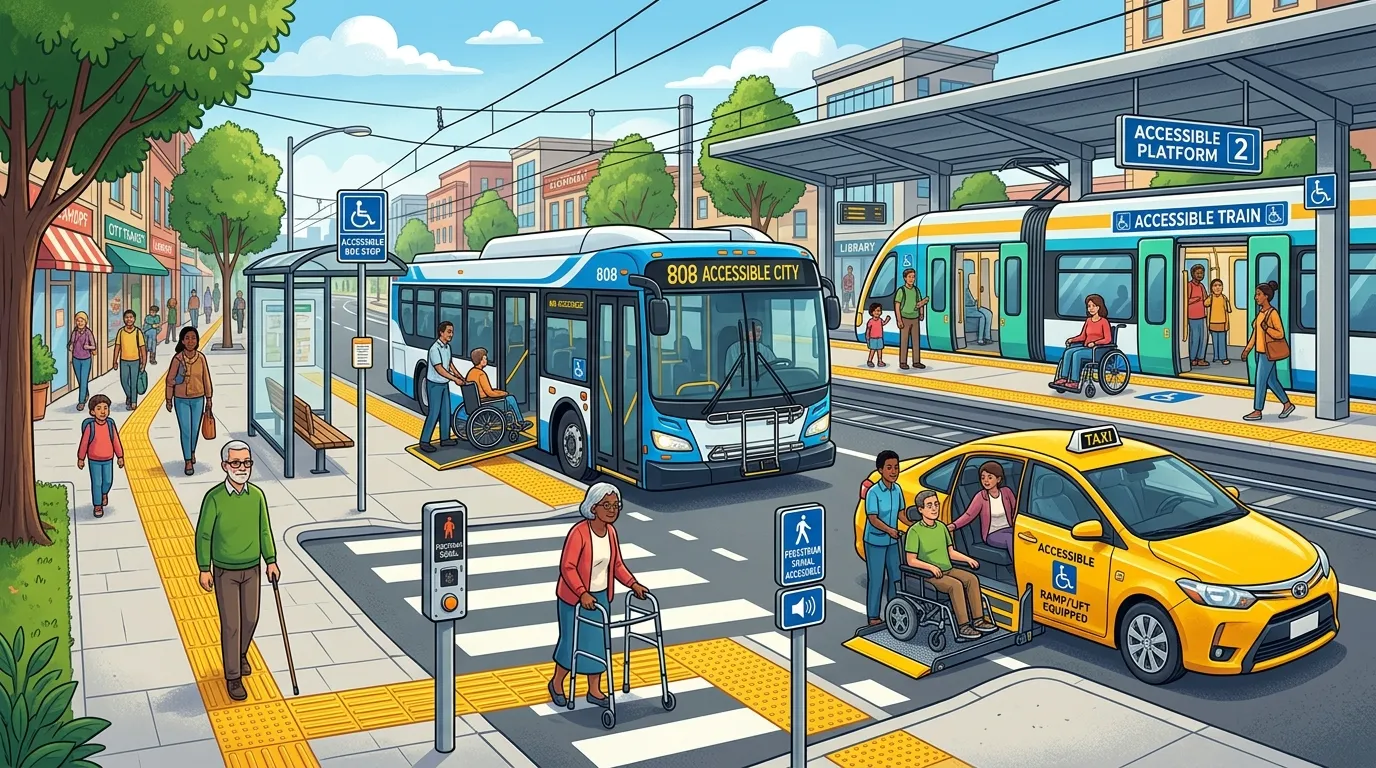
Finding the right provider takes a little research, but the effort pays off in safety, comfort, and peace of mind. These guidelines help you evaluate any service with confidence.
Assess the Rider’s Specific Needs
Start by understanding exactly what the rider requires. Does the person use a wheelchair or other mobility device? Do they need help boarding and exiting? Are there sensory or cognitive considerations that call for extra patience or a trained aide?
Listing these needs clearly gives you a checklist to measure providers against. The more precisely you define the requirements, the easier it becomes to find a service that truly fits. Mobility Assistance works best when it’s matched closely to the individual.
Check Vehicle Equipment and Condition
The vehicle itself matters enormously. Confirm that it has the right features, such as ramps, lifts, or securement systems for mobility devices. Ask about the size and layout to ensure comfort during the trip.
Don’t hesitate to ask about maintenance and cleanliness too. A well-kept vehicle signals a provider that takes safety seriously. Reliable Accessible Transport depends on equipment that works correctly every single time.
Verify Driver Training and Background
Drivers and aides should be properly trained to assist passengers with disabilities. This includes knowing how to operate equipment, secure mobility devices, and communicate respectfully. For Special Needs Transportation, look for staff trained in patience, de-escalation, and gentle support.
Ask whether drivers undergo background checks and ongoing training. The people behind the wheel shape the entire experience, so their qualifications deserve close attention.
Evaluate Reliability and Reputation
A great service shows up on time, every time. Look for reviews, testimonials, and recommendations from others who’ve used the provider. Consistent punctuality and dependable communication are signs of a trustworthy operation.
Consider these reliability checks:
- Read online reviews from real customers
- Ask for references from current riders
- Test responsiveness when you first make contact
- Confirm their policy for delays or cancellations
- Check how they handle last-minute changes
Understand Costs and Coverage
Costs vary widely across disabled transport services. Some are subsidized or free, while private options carry premium prices. Ask for clear, upfront pricing with no hidden fees.
Also explore whether insurance, Medicaid, or other programs may cover part of the cost, especially for medical-related travel. Understanding the full financial picture prevents surprises and helps you plan a sustainable arrangement.
The Role of Transport in Special Education
Transportation plays a quietly powerful role in education for children with disabilities. Without reliable, supportive travel, many students simply couldn’t reach the classrooms, therapies, and programs they’re entitled to. Special Needs Transportation forms a bridge between home and learning.
For students with disabilities, the journey to school is often part of their support plan. Trained aides, adapted vehicles, and consistent routines help children arrive calm, safe, and ready to learn. This support isn’t a luxury; it’s a recognized component of equal access to education.
If you’d like to explore this topic more deeply, one thoughtful resource breaks down why specialized school transport matters so much for students with disabilities.
The essential role of special transportation in education,It’s a meaningful, eye-opening read.The piece highlights both the legal and human sides.You’ll gain a richer understanding of how transport shapes learning.
Understanding this connection helps parents and caregivers advocate effectively. When you know that transport is part of a child’s right to education, you can ask the right questions and ensure the support is properly arranged and maintained.
Key takeaway: For students with disabilities, accessible transport is a fundamental part of equal access to education, not an optional extra.
How to Book and Prepare for a Trip
A smooth journey starts with good preparation. Knowing how to book and what to expect reduces stress for both riders and caregivers. These practical steps help every trip go more smoothly.
Book in Advance When Possible
Many disabled transport services, especially paratransit and volunteer programs, require advance booking. Reserving early secures your spot and gives the provider time to arrange the right vehicle and staff. For recurring trips, ask about setting up a standing reservation.
Even with on-demand options, a little notice helps. Booking ahead when you can avoids the disappointment of limited availability, particularly during busy times like mornings and early afternoons.
Share All Relevant Information
When booking, give the provider a complete picture of the rider’s needs. Mention the type of mobility device, any required assistance, and special considerations such as sensory sensitivities. Clear information lets the service prepare properly.
Helpful details to share include:
- The type and size of any mobility equipment
- Whether the rider needs help boarding or exiting
- Any communication or sensory needs
- The exact pickup and drop-off addresses
- Whether a companion or caregiver will travel along
Prepare the Rider for the Journey
Especially for those with cognitive or sensory needs, a little preparation eases anxiety. Explain what will happen, who will arrive, and how long the trip might take. Familiar items or a trusted companion can add comfort.
For children receiving Special Needs Transportation, consistent routines work wonders. Knowing the same driver or following the same steps each time builds trust and reduces stress over time.
Plan for Timing and Delays
Shared services like paratransit may involve longer trips or window-based pickups. Build in extra time so a delay doesn’t cause a missed appointment. Confirm the pickup window and have a backup plan for important commitments.
A relaxed schedule makes the whole experience calmer. When you aren’t racing the clock, both the rider and caregiver can enjoy a more peaceful journey.
Common Challenges and How to Overcome Them
Even with great services, occasional hurdles arise. Knowing the common challenges and their solutions helps you handle them smoothly and keep travel stress-free.
Limited Availability in Some Areas
Rural and underserved areas often have fewer transport options. This can make booking harder and waits longer. To overcome this, plan further ahead, combine multiple services, and tap into community or volunteer programs that may not be widely advertised.
Building relationships with local providers also helps. When a service knows you and your needs, they’re often more willing to accommodate you, even when demand is high.
Unexpected Delays
Delays happen, especially with shared rides. The key is to expect them and build in buffer time. Always confirm pickup windows, keep the provider’s contact handy, and have a backup option for time-sensitive trips like medical appointments.
Clear communication helps enormously. A provider that updates you about delays lets you adjust calmly rather than worrying in the dark.
Cost Concerns
Transport costs can add up, particularly for frequent trips. To manage this, explore every funding avenue, including Medicaid, insurance, nonprofit support, and subsidized programs. Mixing affordable paratransit with occasional premium rides can also balance the budget.
Don’t be shy about asking providers directly about discounts or assistance programs. Many offer reduced rates or know of resources that can help ease the financial load.
Communication Barriers
Sometimes riders struggle to communicate their needs, or providers fail to listen carefully. Overcome this by putting key information in writing, confirming details before each trip, and choosing providers known for clear, respectful communication.
Strong communication is the backbone of good Disabled Transportation Services. When everyone understands the plan, trips run far more smoothly.
Tips for Getting the Most From Your Service
A few smart habits help you maximize comfort, reliability, and value from any transport arrangement. These practical tips make every journey better.
Build a Relationship With Your Provider
Consistency creates trust. When you use the same provider regularly, drivers learn your preferences and needs. This familiarity leads to smoother trips and a more personal, caring experience over time.
For riders with anxiety or special needs, a familiar face can transform the journey. Building that relationship is one of the most valuable things you can do.
Keep Important Information Handy
Maintain a simple document with the rider’s needs, emergency contacts, and any medical details. Share it with providers as needed. This ensures everyone has the information required to keep the rider safe and comfortable.
Having details ready also speeds up booking and reduces the chance of miscommunication. A little organization goes a long way toward stress-free travel.
Provide Feedback
Good providers welcome feedback. If something works well, say so. If a problem arises, raise it kindly and clearly. Constructive feedback helps services improve and ensures your future trips meet your expectations.
Your input matters. By speaking up, you help shape better Accessible Transport not just for yourself, but for everyone who uses the service.
Stay Informed About Your Rights
People with disabilities have legal protections regarding access to transportation. Learn about the rights and programs available in your area. Knowing what you’re entitled to empowers you to advocate effectively and access the support you deserve.
This knowledge is especially valuable for caregivers arranging Mobility Assistance for loved ones. Understanding the system helps you secure the best possible care.
The Future of Accessible Mobility
Transportation for people with disabilities continues to improve, driven by technology, awareness, and demand for inclusion. Knowing where things are heading helps you anticipate better options ahead.
Smarter Booking and Apps
User-friendly apps now make booking accessible rides easier than ever. Real-time tracking, instant confirmations, and clear communication reduce uncertainty. As these tools improve, arranging transport becomes simpler and more reliable for everyone.
This shift especially benefits riders and caregivers who once faced confusing phone-based booking systems. Technology is making Disabled Transportation Services more transparent and convenient.
Expanding Accessible Vehicle Fleets
More providers are investing in wheelchair-accessible and adapted vehicles. As fleets grow, wait times shrink and availability improves. This expansion means greater freedom and spontaneity for riders who once had very limited choices.
Growing Awareness and Inclusion
Society’s understanding of disability and accessibility keeps deepening. This cultural shift pushes communities, businesses, and governments to prioritize inclusive transport. The result is a future where Accessible Transport is the norm rather than the exception.
Integration With Public Systems
Cities increasingly weave accessible options into mainstream public transit. Better-designed buses, trains, and stations reduce reliance on separate services. This integration promises a more seamless, dignified travel experience for people with disabilities.
Key takeaway: The future of accessible mobility is brighter, with technology and inclusion working together to expand freedom and ease for riders everywhere.
Frequently Asked Questions
What exactly are disabled transport services?
Disabled transport services are travel options built specifically for people with disabilities. They include adapted vehicles, trained staff, and personalized support to ensure safe, comfortable journeys. These services help wheelchair users, seniors, children with special needs, and medical patients travel with dignity. The goal is to remove barriers and support independence for everyone who needs it.
Who is eligible to use disabled transportation services?
Eligibility depends on the specific program, but generally anyone with a disability that limits their ability to use standard transport can qualify. This includes people with mobility, sensory, cognitive, or developmental disabilities. Some services require documentation or an assessment. It’s best to contact the provider directly to confirm their eligibility requirements and application process.
How much do disabled transport services cost?
Costs vary widely based on the type of service. Paratransit and volunteer programs are often subsidized or free, while private providers and accessible taxis cost more. Medicaid, insurance, or nonprofit programs may cover medical-related travel. Always ask for clear, upfront pricing and explore funding options to find an arrangement that fits your budget.
What’s the difference between paratransit and private providers?
Paratransit is typically a shared, subsidized service run by public agencies, making it affordable but less flexible with timing. Private providers offer personalized, on-demand care with trained staff and well-equipped vehicles, though at a higher cost. Paratransit suits routine planned trips, while private providers excel for complex, sensitive, or time-sensitive journeys.
Are drivers trained to assist passengers with disabilities?
Quality providers train their drivers to operate accessibility equipment, secure mobility devices, and communicate respectfully. For Special Needs Transportation, staff often receive additional training in patience and gentle support. Always confirm a provider’s training standards and background-check policies before booking. Well-trained drivers make every journey safer and far more comfortable.
How do I book disabled transport for a loved one?
Start by listing the rider’s specific needs, then contact providers to confirm they can meet them. Many services, especially paratransit, require advance booking. Share complete details about mobility equipment, required assistance, and pickup locations. For recurring trips, ask about standing reservations to simplify the process and guarantee availability when you need it.
Can these services accommodate wheelchairs and mobility devices?
Yes, accessible vehicles are designed for wheelchairs, scooters, and other mobility aids. They feature ramps, lifts, and securement systems that keep riders safe throughout the trip. When booking, share the type and size of the device so the provider sends the right vehicle. Confirming this in advance ensures a smooth, comfortable journey.
Is disabled transport available for medical appointments?
Absolutely. Non-emergency medical transport specializes in getting people to and from healthcare appointments safely. These services suit patients undergoing regular treatments who may feel weak afterward. Drivers are trained to assist gently, and some vehicles accommodate stretchers. Check whether Medicaid or insurance covers the cost, as many medical trips qualify for support.
What should I do if a ride is delayed?
Delays can happen, especially with shared services. Always confirm your pickup window and keep the provider’s contact information handy. Build extra time into your schedule for important trips like medical appointments. If a delay occurs, contact the provider for updates and have a backup option ready for time-sensitive commitments to avoid added stress.
Are there transport services for children with special needs?
Yes, Special Needs Transportation caters specifically to children with developmental, sensory, or cognitive disabilities. These services often include trained aides, adapted vehicles, and consistent routines that reduce anxiety. They’re commonly used for school and therapy trips. Consistent drivers and gentle communication help children feel safe and arrive calm and ready.
How can I find reliable disabled transport in my area?
Start by searching online and asking healthcare providers, senior centers, or disability organizations for recommendations. Read reviews and request references to gauge reliability. Contact several providers to compare services, costs, and availability. Community and volunteer programs may not be widely advertised, so local nonprofits are worth exploring for affordable, trustworthy options.
Do people with disabilities have legal rights to accessible transport?
Yes, in many regions laws protect the right of people with disabilities to access transportation. These protections often require public transit and certain services to be accessible. Knowing your rights empowers you to advocate effectively and access available programs. Contact local disability advocacy groups to learn the specific protections and resources available in your area.
Final Thoughts
Disabled transport services open the door to freedom, connection, and dignity for millions of people who deserve to move through life without unnecessary barriers. From paratransit and medical transport to private providers and volunteer programs, there’s an option to suit nearly every need and budget. The key is understanding the rider’s requirements, comparing your choices carefully, and building a trusted relationship with a reliable provider.
Your next step is simple. List the specific needs of the rider you’re supporting, then reach out to two or three providers this week to compare their services, training, and costs. That small action sets you on the path to safe, dependable, and compassionate travel, giving both riders and caregivers the peace of mind they deserve.
