


Learn how Uber costs per mile are calculated, including distance, time, surge pricing, ride types, and city differences. This guide explains fare factors, cost-saving tips, pricing comparisons, and smart strategies to estimate and reduce Uber trip expenses.
Ever stepped out of an Uber and wondered why your bill looked so different from last week’s ride, even though the route felt almost identical? You’re not alone. Understanding Uber costs per mile can feel like solving a puzzle with moving pieces, because the price you pay depends on far more than just the distance you travel.
In this guide, you’ll learn exactly how Uber builds your fare, what makes the cost per mile rise or fall, and how to estimate your trip cost before you tap “Confirm.” We’ll break down base fares, time charges, surge pricing, city differences, and ride types so you can ride smarter and budget better.
Here’s what you’ll walk away with:
- A clear picture of how Uber fare rates are calculated
- The real factors that change your Uber costs per mile
- A handy comparison table of pricing elements
- Practical tips to lower your Uber trip cost
- Answers to the most common questions about ride pricing
Let’s dig in.
What Does “Uber Costs Per Mile” Actually Mean?
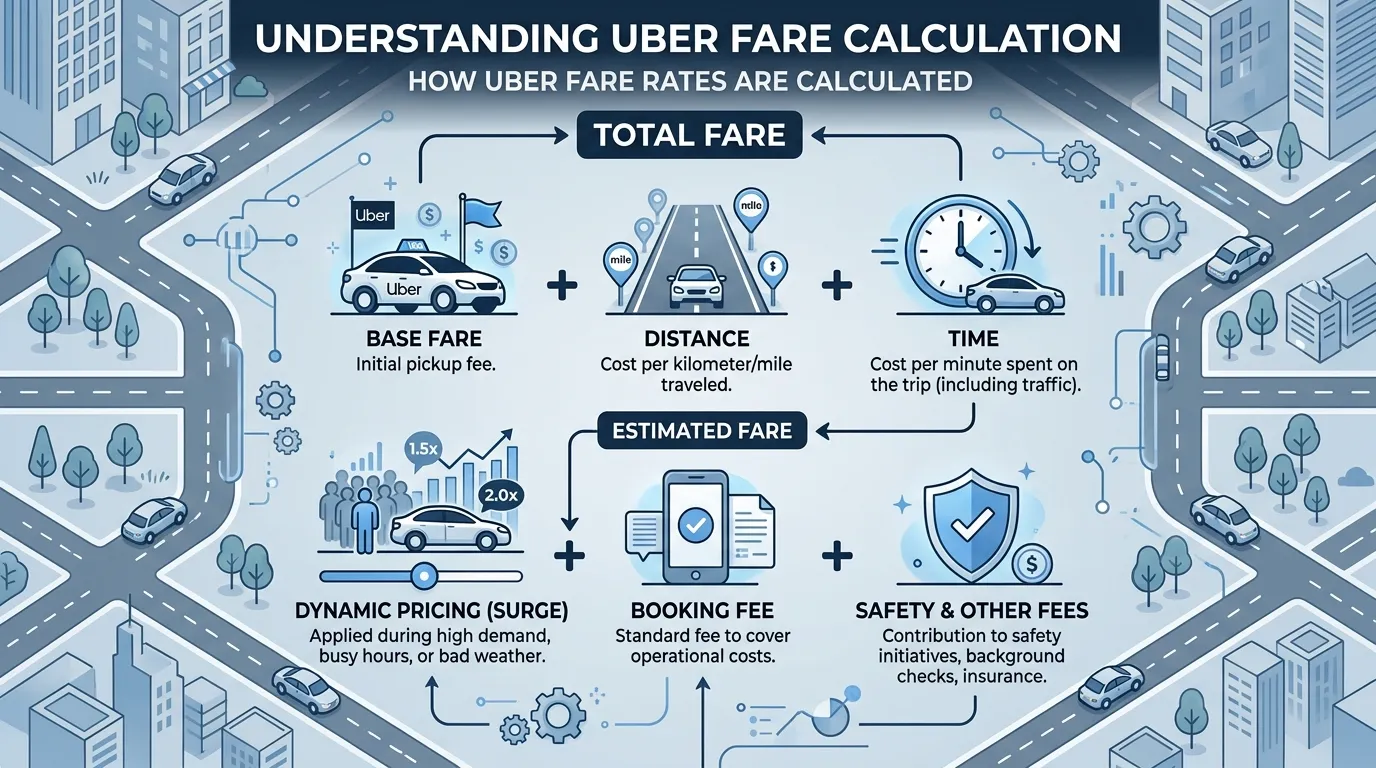
When people talk about Uber costs per mile, they usually mean how much money Uber charges for each mile you travel during a trip. But that single number only tells part of the story. Your total fare combines several charges, and the per-mile rate is just one ingredient in the recipe.
Think of it like buying groceries. The price per pound of apples matters, but your final bill also includes other items in the cart. Uber works the same way. The distance rate is important, but time, demand, fees, and your chosen ride type all join together to form the final amount.
Why the Per-Mile Rate Varies So Much
There’s no single fixed Uber cost per mile that applies everywhere. A mile in a small town might cost far less than a mile in a busy downtown core. Local regulations, driver supply, rider demand, and operating expenses all shift the numbers. That’s why two riders in different cities can pay very different amounts for the same distance.
Understanding this variation helps you set realistic expectations. Instead of assuming one flat rate, you’ll learn to read the pricing signals and predict your Uber trip cost more accurately.
How Uber Fare Rates Are Calculated
Uber uses a formula that blends a handful of components. Once you understand each piece, the mystery behind your final bill disappears. Let’s walk through the main parts that shape Uber fare rates.
The Base Fare
The base fare is a flat starting charge applied the moment your trip begins. It covers the basic cost of dispatching a driver and getting your ride underway. This amount stays the same regardless of how far you go, and it’s usually a small figure compared to the rest of your fare.
The Per-Mile Charge
This is the heart of Uber costs per mile. For every mile you travel, Uber adds a set rate. The longer your trip, the more this charge stacks up. In areas with higher operating expenses, this per-mile figure tends to be larger.
The Per-Minute Charge
Time matters just as much as distance. Uber charges a small amount for every minute you spend in the car. This is why sitting in heavy traffic can quietly inflate your fare, even when you barely move. A short distance can cost more than expected if it takes a long time.
Booking and Service Fees
Most trips include a booking fee that helps cover safety features, operational costs, and regulatory expenses. These fees vary by region and ride type. They’re added on top of your distance and time charges.
Minimum Fare
Uber sets a minimum fare to make short trips worthwhile for drivers. If your calculated fare falls below this floor, you’ll be charged the minimum instead. This protects drivers from accepting rides that wouldn’t cover their effort.
Surge Pricing (Dynamic Pricing)
When demand spikes and available drivers drop, Uber applies surge pricing. This multiplies your fare to balance supply with demand. During rush hour, bad weather, or major events, your Uber costs per mile can climb sharply.
The Key Factors That Affect Your Uber Costs Per Mile
Now that we understand the formula, let’s look at the real-world factors that push your fare up or down. These elements work together, so a change in one can ripple across your entire bill.
Distance Traveled
This one feels obvious, but it’s worth stating clearly. The more miles you cover, the higher your fare. However, longer trips sometimes offer slightly better value per mile because the fixed costs spread across more distance.
Trip Duration and Traffic
Time spent in the car directly affects your cost. Two trips covering the same distance can produce different fares if one crawls through traffic and the other flows freely. Slow rides rack up per-minute charges that add up fast.
Time of Day
Demand shifts throughout the day. Early mornings, evening rush hours, and late nights often see higher prices because more people want rides. Off-peak hours tend to be cheaper and more predictable.
City and Location
Where you ride matters enormously. Big cities with high living costs usually carry higher Uber fare rates than smaller towns. Local rules, fuel prices, and driver availability all influence the cost per mile in each market.
Ride Type
Uber offers several ride options, and each carries its own pricing. A shared or economy ride costs less per mile than a premium or larger-vehicle option. Choosing the right ride type can dramatically change your Uber trip cost.
Surge Multipliers
As mentioned earlier, surge pricing can multiply your fare during busy periods. A 2x surge effectively doubles your cost per mile. Watching for surge before you book can save you real money.
Tolls, Airport Fees, and Surcharges
Some routes include tolls or airport pickup fees. These extra charges get added to your fare and aren’t part of the standard per-mile calculation. They can surprise riders who don’t expect them.
Comparison Table: Factors Affecting Uber Costs Per Mile
The table below summarizes how each factor influences your final fare. Use it as a quick reference when estimating ride pricing.
|
Factor |
How It Affects Cost |
Impact Level |
Tip to Manage It |
|---|---|---|---|
|
Base Fare |
Flat charge at trip start |
Low |
Unavoidable, but small |
|
Per-Mile Charge |
Adds cost for each mile traveled |
High |
Compare ride types |
|
Per-Minute Charge |
Adds cost for time in the car |
Medium |
Avoid heavy traffic hours |
|
Surge Pricing |
Multiplies fare during high demand |
Very High |
Wait for surge to drop |
|
City Differences |
Varies rates by market |
High |
Expect higher costs in big cities |
|
Ride Type |
Premium options cost more per mile |
High |
Pick economy when possible |
|
Tolls & Fees |
Added for specific routes |
Medium |
Check route before booking |
|
Time of Day |
Peak hours raise demand and price |
Medium |
Travel off-peak |
As you can see, surge pricing and ride type carry the biggest influence on your Uber costs per mile. Distance and time follow closely behind. Keeping these factors in mind helps you make smarter choices before every ride.
Understanding Surge Pricing in Depth
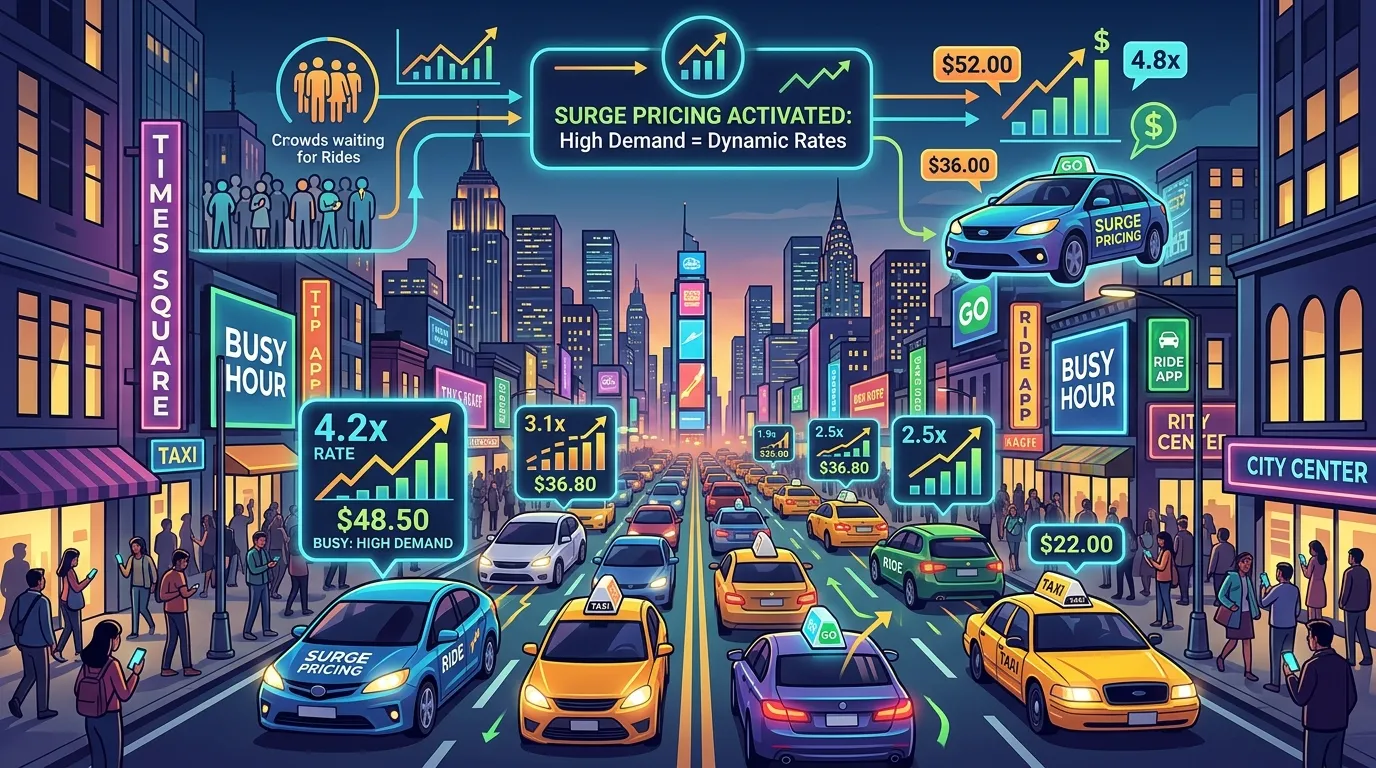
Surge pricing deserves a closer look because it confuses so many riders. When demand outpaces supply, Uber raises prices to encourage more drivers onto the road and to balance the number of ride requests.
When Does Surge Usually Happen?
- During morning and evening rush hours
- On weekend nights, especially near bars and venues
- During storms, rain, or extreme heat
- Around concerts, sports games, and festivals
- On holidays when many people travel at once
How Surge Changes Your Cost Per Mile
When a surge multiplier kicks in, it scales your entire fare, including the per-mile and per-minute portions. A modest 1.5x surge raises your costs noticeably, while a 3x surge can turn an affordable ride into an expensive one. The app shows you the surge before you confirm, so you always have a chance to wait or choose another option.
Smart Ways to Avoid Surge
- Wait a few minutes for demand to settle
- Walk a short distance away from a crowded zone
- Schedule rides during calmer hours
- Compare ride types to find a cheaper option
City Differences: Why Location Changes Everything
Uber operates in thousands of cities, and no two markets price rides exactly the same way. Local conditions shape the cost per mile in powerful ways.
Cost of Living and Operating Expenses
Cities with higher living costs typically have higher fares. Drivers face steeper expenses for fuel, insurance, and vehicle upkeep, and those costs flow into the price you pay. Dense urban centers also deal with more traffic, which raises per-minute charges.
Driver Supply and Demand Balance
In areas with plenty of drivers, prices stay competitive, and surges happen less often. In regions with fewer drivers, even normal demand can trigger higher rates. The balance between riders and drivers constantly shapes your Uber trip cost.
Local Regulations
Some cities impose specific fees, taxes, or licensing requirements on rideshare services. These rules add to the cost and explain part of the difference between markets. A mile in a heavily regulated city may simply cost more.
How to Estimate Your Uber Trip Cost Before You Book
You don’t have to guess what your ride will cost. Uber gives you tools to preview your fare before you commit, which makes budgeting far easier.
This resource lets you enter your pickup and drop-off points to see an approximate fare. It factors in distance, time, and current demand, giving you a realistic preview of your ride pricing. Use it whenever you want to compare options or plan ahead, especially for longer trips or airport runs.
Tips for Getting Accurate Estimates
- Enter exact addresses for the closest match
- Check estimates during the time you actually plan to ride
- Compare different ride types side by side
- Watch for surge indicators before confirming
Comparing Ride Types and Their Cost Per Mile
Uber’s lineup of ride options gives you flexibility, but each tier comes with its own pricing structure. Picking the right one can save you a surprising amount.
Economy Options
These are the most affordable choices and carry the lowest cost per mile. They’re perfect for everyday trips, solo riders, and budget-conscious travelers. If saving money is your goal, start here.
Comfort and Standard Options
These sit in the middle, offering newer vehicles or more legroom for a slightly higher rate. They balance comfort and affordability, making them a solid choice for longer rides or when you want a bit more space.
Premium and Luxury Options
Premium rides feature high-end vehicles and professional service. They carry the highest cost per mile, so they suit special occasions, business trips, or moments when comfort matters most. Expect to pay a notable premium for these.
Larger Vehicle Options
When you’re traveling with a group, larger vehicles cost more per mile but split easily among riders. Sharing the fare can make the per-person cost reasonable, even when the headline price looks high.
Practical Ways to Lower Your Uber Costs Per Mile
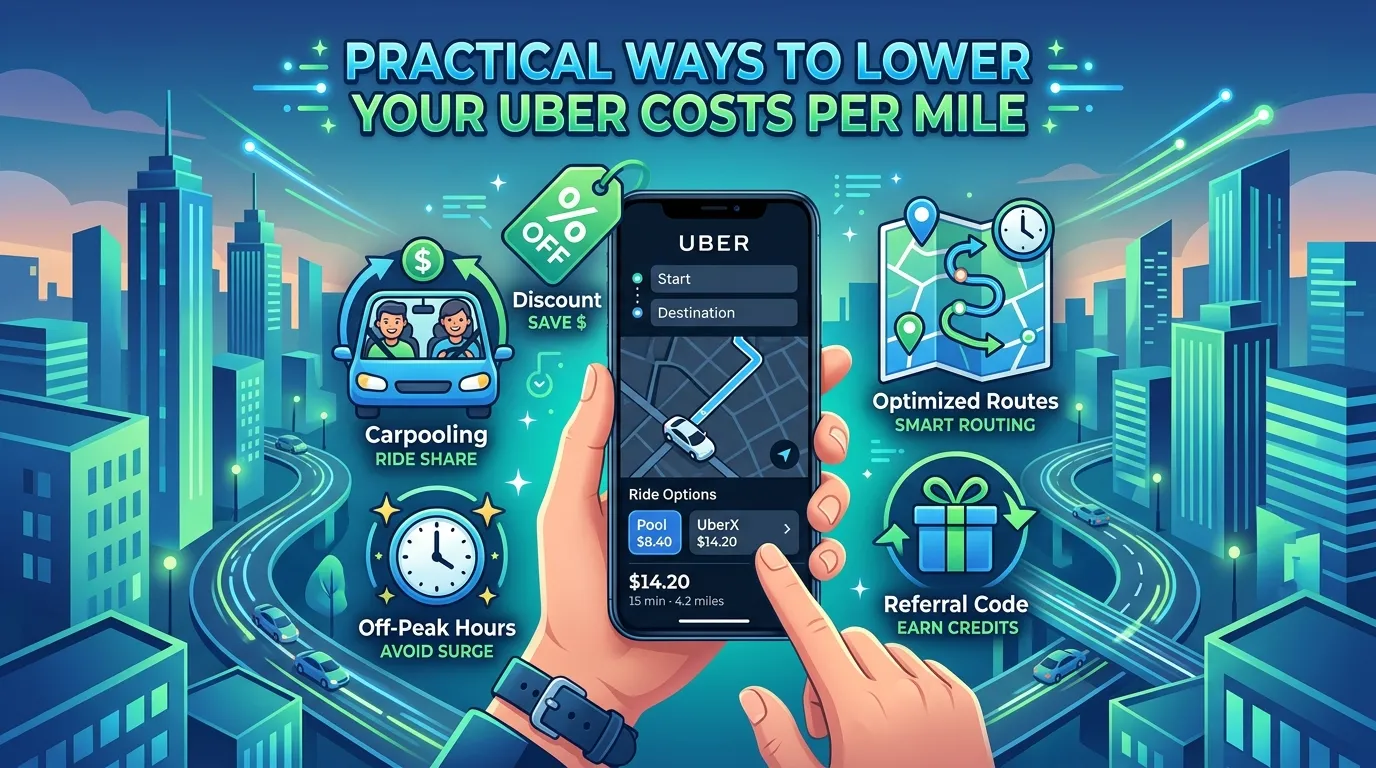
Now for the part everyone wants: how to actually pay less. These practical strategies help you trim your Uber trip cost without sacrificing convenience.
Plan Around Peak Hours
Avoid riding during rush hours and busy weekend nights whenever you can. Off-peak travel sidesteps surge pricing and keeps your fare predictable. Even shifting your trip by thirty minutes can make a real difference.
Choose the Right Ride Type
Don’t default to premium rides out of habit. For most everyday trips, an economy option gets you there comfortably at a lower cost per mile. Match the ride type to the trip’s purpose.
Use Fare Estimates Before Booking
Always preview your fare. Knowing the cost upfront helps you decide whether to ride now, wait, or pick a cheaper option. This small habit saves money over time.
Split the Cost With Others
If you’re heading somewhere with friends, share the ride and split the bill. A single larger vehicle often costs less per person than separate rides.
Watch for Surge and Wait It Out
Surge usually fades within minutes. If you see a high multiplier, grab a coffee, take a short walk, or wait a bit. Patience often pays off with a lower fare.
Combine Errands Into One Trip
Instead of booking multiple short rides, plan a single trip that covers several stops. Fewer base fares and booking fees mean a lower overall cost.
Common Mistakes Riders Make With Ride Pricing
Even experienced riders fall into a few traps. Avoiding these mistakes keeps your Uber costs per mile under control.
- Ignoring surge warnings: Confirming a ride during a high surge when waiting would save money.
- Defaulting to premium options: Paying for luxury when an economy ride would do the job.
- Skipping fare estimates: Booking blindly and getting surprised by the total.
- Riding during peak traffic: Letting per-minute charges balloon in gridlock.
- Overlooking tolls and fees: Forgetting that certain routes add extra costs.
By steering clear of these habits, you’ll keep more money in your pocket on every trip.
How Uber Costs Per Mile Compare to Other Transport Options
It helps to put Uber pricing in context. Compared to owning a car, Uber removes expenses like insurance, parking, fuel, and maintenance. For occasional riders, this often makes Uber the cheaper choice overall.
Compared to public transit, Uber costs more per mile but offers door-to-door convenience and speed. The right choice depends on your priorities. If time and comfort matter most, the extra cost may be worth it. If saving money tops your list, transit or carpooling might win.
The key is to weigh the full picture rather than just the per-mile number. Convenience, time savings, and flexibility all carry value that pure cost comparisons miss.
Frequently Asked Questions About Uber Costs Per Mile
How much does Uber cost per mile on average?
Uber costs per mile vary widely depending on your city, ride type, and demand. In many markets, the per-mile rate falls within a modest range, but surge pricing and fees can push it higher. The best way to know your exact rate is to check a fare estimate before booking. Always expect higher numbers in big cities and during peak hours.
Why is my Uber trip cost higher than usual?
Several factors can raise your fare, including surge pricing, heavy traffic, tolls, or choosing a premium ride type. Time of day and local demand also play big roles. If your cost feels unusually high, check whether a surge multiplier is active. Waiting a few minutes or switching ride types often brings the price back down.
Does Uber charge by distance or time?
Uber charges by both distance and time. You pay a per-mile rate for the distance you travel and a per-minute rate for the time spent in the car. This combination means traffic-heavy trips can cost more even over short distances. Both charges stack on top of the base fare and any applicable fees.
What is surge pricing and how does it affect cost per mile?
Surge pricing happens when demand for rides outpaces available drivers. It applies a multiplier to your entire fare, raising your Uber costs per mile during busy periods. You’ll see the surge level before you confirm your trip. Waiting for demand to settle or walking to a less crowded area can help you avoid it.
How can I lower my Uber costs per mile?
You can reduce costs by riding during off-peak hours, choosing economy ride types, and avoiding surge pricing. Splitting fares with others and combining errands into one trip also helps. Always check a fare estimate before booking so you know what to expect. Small planning choices add up to meaningful savings over time.
Are Uber fare rates the same in every city?
No, Uber fare rates differ from city to city. Local operating costs, regulations, driver supply, and demand all shape the price. Big cities with higher living costs usually charge more per mile than smaller towns. That’s why the same distance can produce very different fares in different markets.
Does the ride type change my cost per mile?
Yes, your chosen ride type strongly affects your cost per mile. Economy options carry the lowest rates, while premium and luxury rides cost significantly more. Larger vehicles also charge higher per-mile rates but can be split among passengers. Matching the ride type to your needs keeps your Uber trip cost reasonable.
How accurate are Uber fare estimates?
Uber fare estimates are usually quite accurate, though they can change if conditions shift. Factors like sudden surge, route changes, or extra stops may alter the final amount. Estimates give you a reliable ballpark figure for planning and budgeting. For the best accuracy, check the estimate close to when you actually plan to ride.
Do tolls and fees get added to my Uber fare?
Yes, tolls, airport fees, and certain surcharges are added on top of your standard fare. These extras aren’t part of the base per-mile calculation, so they can surprise riders who don’t expect them. Reviewing your route before booking helps you anticipate these charges. Knowing about them upfront prevents confusion when the final bill arrives.
Is Uber cheaper than owning a car?
For occasional riders, Uber is often cheaper than owning a car because it removes expenses like insurance, fuel, parking, and maintenance. However, frequent daily riders may find car ownership more economical over time. The right choice depends on how often you travel and your local costs. Comparing your monthly ride spending against ownership costs gives you the clearest answer.
Why does traffic increase my Uber trip cost?
Traffic increases your cost because Uber charges a per-minute rate for time spent in the car. When you’re stuck in slow-moving traffic, those minutes add up even though you cover little distance. This is why rush-hour trips often cost more than they seem they should. Traveling during lighter traffic periods helps keep your fare lower.
Can I see surge pricing before I confirm my ride?
Yes, Uber shows you any active surge pricing before you confirm your trip. The app displays the higher fare or a surge multiplier so you can decide whether to proceed. This transparency lets you wait, switch ride types, or choose another time. Always review the price screen carefully before tapping confirm.
Final Thoughts on Understanding Uber Costs Per Mile
Uber costs per mile aren’t as mysterious as they first appear. Once you understand the building blocks, base fare, distance, time, surge, city differences, and ride type, you can predict your fare with confidence. The biggest cost drivers are surge pricing and your chosen ride option, so keep those in mind every time you book.
Your next step is simple: before your next trip, pull up a fare estimate and compare ride types. This one habit puts you in control of your spending and helps you avoid surprises. Ride smart, plan ahead, and you’ll keep your Uber trip cost right where you want it.
