

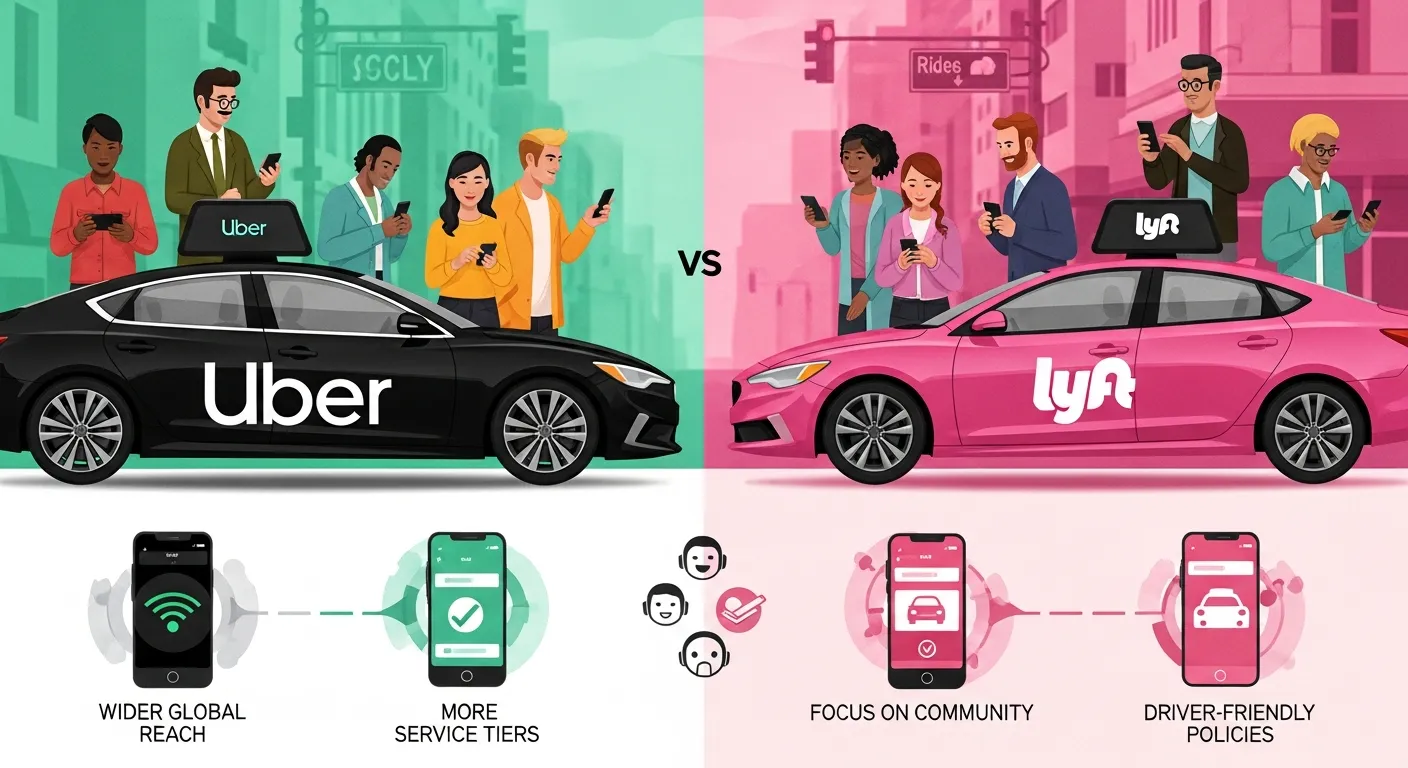
Uber and Lyft both offer ridesharing services but differ in global reach, pricing dynamics, and extra features. Uber is more global and diversified, while Lyft focuses on North America with a friendlier, community-driven experience.
Ridesharing has fundamentally altered how people navigate cities, commute to work, and travel safely at night. Gone are the days of standing on a street corner waving down a taxi. Now, a few taps on a smartphone can summon a car to your exact location within minutes.
Two giant tech companies dominate this landscape: Uber and Lyft. For many riders, these apps seem almost interchangeable. They both get you from point A to point B using a similar smartphone interface. You request a ride, a driver accepts, and you pay digitally. However, looking closely reveals a distinct difference between lyft and uber. While they operate in the same industry, they possess different business models, service offerings, and user experiences.
Understanding the difference between lyft and uber can help you choose the best platform for your specific needs, whether you are a daily commuter, an occasional traveler, or someone looking to earn extra money as a driver. This guide breaks down everything from the lyft vs uber price comparison to the ultimate corporate cultures defining these transportation giants.
Exploring the Core Difference Between Lyft and Uber
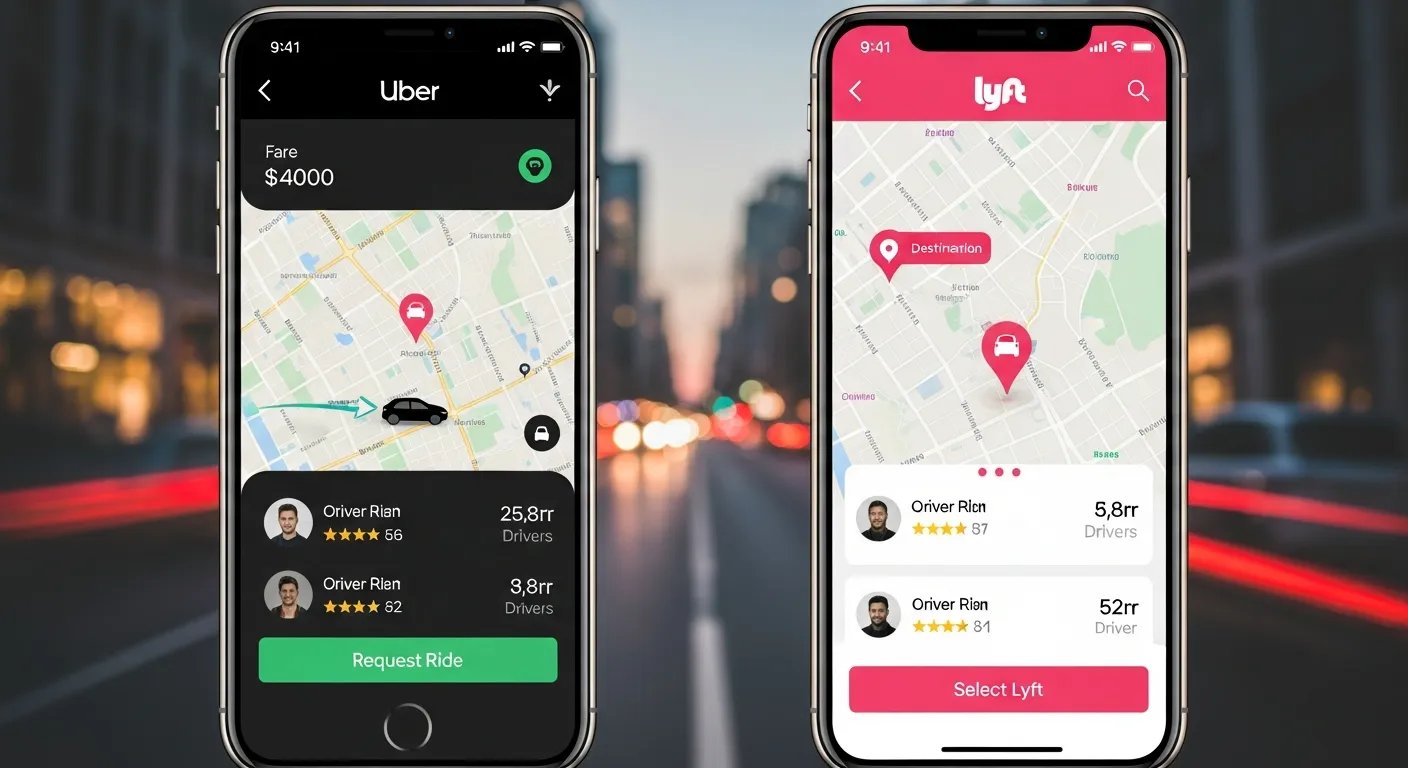
To truly grasp the difference between lyft and uber, we must first look at how these companies began and how they choose to position themselves in the broader market. Their distinct origin stories heavily influence how they operate today.
Company Background and Evolution
Understanding the origins of both companies provides context for how they operate today. Uber initially focused on luxury black car services. It quickly expanded its offerings to include everyday vehicles, launching a period of aggressive global expansion. Today, Uber operates in thousands of cities across dozens of countries, making it a globally recognized brand synonymous with ridesharing.
Lyft, on the other hand, emerged as a service from a long-distance carpooling company. Lyft branded itself as a friendly, community-oriented alternative to traditional transportation. Early Lyft drivers famously adorned their cars with large pink mustaches and encouraged passengers to sit in the front seat. While the pink mustaches are gone, Lyft maintains a focus on approachability and community building. This core philosophy highlights a major difference between lyft and uber.
Ecosystem and Diversification
When analyzing the difference between lyft and uber, you must look beyond just hailing a car. Uber has heavily diversified its business model. Uber Eats is a major player in food and grocery delivery, while Uber Freight connects shippers with trucking companies. This expansive ecosystem is a primary difference between lyft and uber.
Lyft has largely stayed focused on passenger transportation. Instead of food delivery, Lyft has invested in micromobility, offering bike and scooter rentals through the Lyft app. They also integrate public transit information in many major cities.
Comparing Service Offerings and Ride Types
Both platforms offer a variety of ways to travel, but their broader ecosystems differ significantly. This variety is an essential factor when considering the difference between lyft and uber.
Uber’s Extensive Vehicle Options
Uber segments its rides by vehicle size and luxury level to accommodate almost any passenger need.
- UberX: The standard, everyday ride for up to four passengers.
- UberXL: Larger vehicles like SUVs and minivans for groups.
- Uber Black: Premium, luxury black cars with top-rated drivers.
- Uber Comfort: Newer cars with extra legroom and preferred temperature controls.
- Uber Green: Environmentally conscious rides utilizing hybrid or fully electric vehicles.
Lyft’s Community-Focused Tiers
Lyft also provides multiple tiers, ensuring riders have choices that fit their budget and group size.
- Lyft Standard: The basic, most affordable option for everyday travel.
- Lyft XL: SUVs and larger vehicles for groups and extra luggage.
- Lyft Lux: High-end vehicles for a more premium experience.
- Lyft Preferred: Rides in newer, more spacious cars with highly rated drivers.
Micromobility vs. Food Delivery
Another major difference between lyft and uber lies in their secondary services. If you want a scooter to ride the last mile to your office, Lyft has an integrated network built into its primary app. If you want dinner delivered to your hotel after a long flight, Uber’s seamless connection with Uber Eats makes it the superior choice.
Uber vs Lyft Availability: Geographic Reach
When discussing uber vs lyft availability, Uber holds a massive geographic advantage. You can open the Uber app in London, Tokyo, or Buenos Aires and easily request a ride. Uber’s global footprint makes it the default choice for international travelers.
Lyft remains almost entirely focused on the North American market. It operates extensively throughout the United States and parts of Canada. If you travel internationally, Uber is usually your only option. However, within domestic borders, both apps offer nearly identical coverage in major metropolitan areas, making the difference between lyft and uber negligible in big cities.
Lyft vs Uber Price Comparison
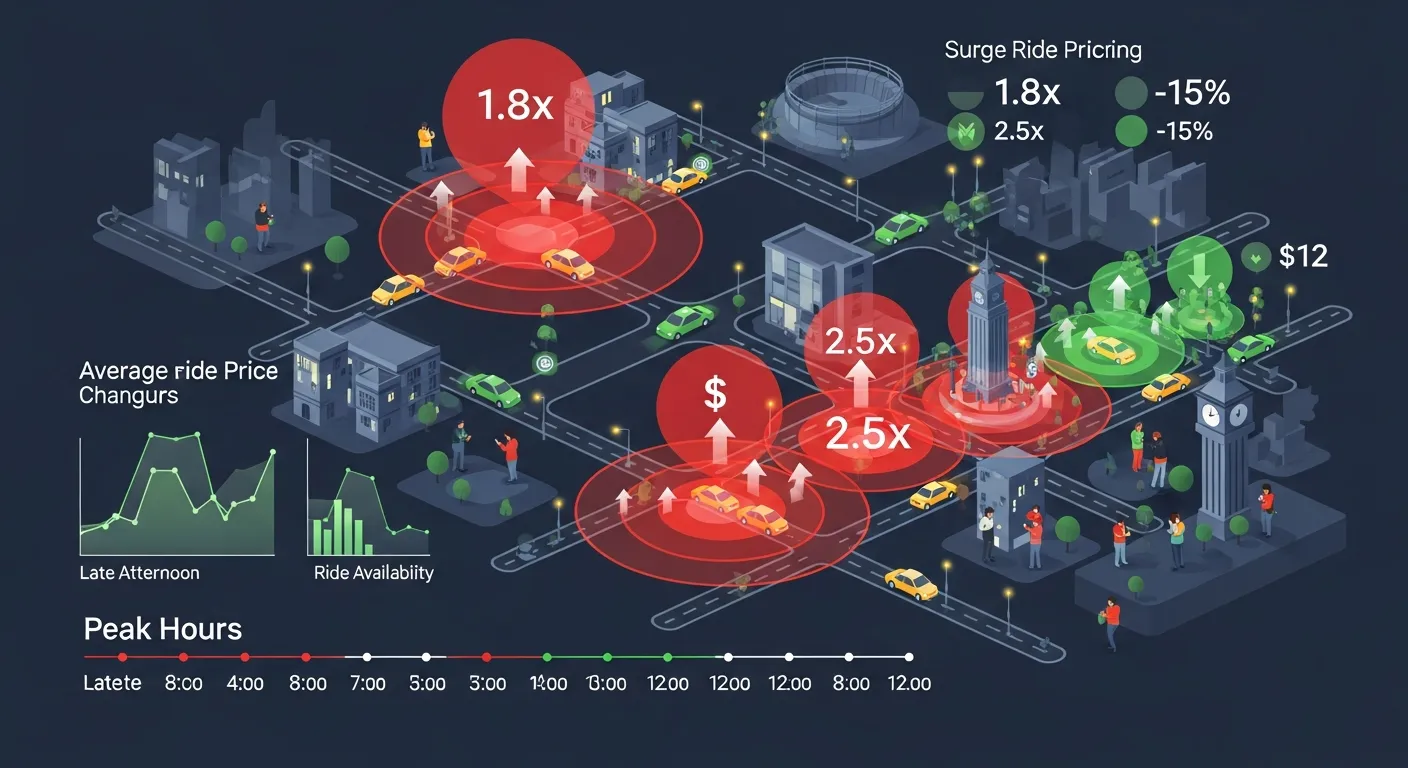
For most passengers, cost is the deciding factor. Figuring out which is cheaper uber or lyft depends heavily on timing, location, and demand.
Fares and Dynamic Pricing
Both apps calculate upfront pricing based on base fares, time, and distance. During periods of high demand, prices increase to encourage more drivers to get on the road. Uber calls this “Surge Pricing,” while Lyft refers to it as “Prime Time.”
The algorithms differ slightly, meaning a ride might cost significantly more on one app than the other during a busy Saturday night. This makes a direct lyft vs uber price comparison tricky, as the cheapest option changes by the minute.
Tips for Saving on Rides
- Always check both apps before booking, especially during peak hours.
- Take advantage of one-time promotional credits or referral codes.
- Consider sharing a ride or using a pool/carpool feature if time permits.
- Subscription services like Uber One or Lyft Pink may save frequent riders money.
Subscriptions and Loyalty Fees
Both companies charge cancellation fees and wait time fees if you keep your driver waiting. To reward frequent users, they offer distinct subscription models, highlighting another difference between lyft and uber.
- Uber One: Provides discounts on rides and free delivery on Uber Eats.
- Lyft Pink: Offers discounted rides, free priority pickups, and perks for their bike and scooter networks.
Feature Comparison Breakdown
|
Feature |
Uber |
Lyft |
|---|---|---|
|
Primary Focus |
Global transport, food, freight |
North American transport, bikes, scooters |
|
Loyalty Program |
Uber One |
Lyft Pink |
|
Peak Pricing |
Surge Pricing |
Prime Time |
|
Premium Rides |
Uber Black / Comfort |
Lyft Lux / Preferred |
Real-World Scenario: Price Variability
For the true difference between lyft and uber, nothing beats testing them side by side. On a typical Saturday night in downtown Manhattan, you might find Lyft offering a ride at $18, while Uber quotes $22 for the same trip. Yet, during weekday afternoons, the tables can turn, especially if one platform is running a local promotion.
The Driver Experience: Which Platform is Better?
The difference between lyft and uber is deeply felt by the independent contractors who drive for them. For many drivers, the choice comes down to earnings, support, and driver culture.
Requirements and Compensation
Driver requirements are remarkably similar across both platforms. Drivers must pass background checks, possess a valid license, and drive an approved vehicle. Drivers earn money based on the length and duration of trips, plus any customer tips. Both platforms take a variable commission from the total fare. To keep drivers engaged, both companies frequently offer incentives, such as bonuses for completing a certain number of rides over a weekend.
Incentives and Promotions
Both Uber and Lyft use targeted bonuses or surge areas to encourage drivers to log on at busy times. Some drivers say Uber’s surge bonuses are easier to predict, while others praise Lyft’s quest-style bonuses, rewarding a set number of completed trips per shift.
Navigating Both Platforms
For a deeper dive into the driver’s perspective:
Read this insider’s view on the platforms
It provides excellent context on how independent contractors navigate the difference between lyft and uber.
Driver Support, Flexibility, and Feedback
Both apps offer drivers the autonomy to set their own hours. Uber often provides robust in-app navigation and physical driver support hubs, especially in major cities. Lyft drivers, on the other hand, frequently praise the company’s clear bonus structures and responsive support teams. Many drivers opt to work for both platforms, switching between them based on demand, which blurs the difference between Lyft and Uber from a driver’s daily perspective.
The Passenger Experience
When you download either app, you expect a safe, reliable, and user-friendly experience. Exploring the passenger interface highlights a subtle difference between Lyft and Uber.
App Interface and Safety
Both apps feature intuitive designs focused on a prominent map and a simple destination entry field. Safety is a top priority for both brands. Passengers can share their trip status with friends, verify their driver’s license plate, and access an in-app emergency button that connects directly to local authorities.
Accessibility Features
Both apps are committed to serving users with disabilities, but their approaches differ. Uber offers dedicated options for wheelchair-accessible vehicles (Uber WAV) in select markets, while Lyft has expanded partnerships to make more accessible vehicles available. This is another difference between Lyft and Uber that’s particularly important for disabled riders.
Customer Support and Rewards
Customer support is handled almost entirely through the respective apps. If a driver takes a wrong turn or a vehicle is unclean, passengers submit a ticket for a partial refund or credit. Uber integrates its rideshare rewards closely with Uber Eats. Lyft frequently partners with major brands like Delta Airlines and Hilton, allowing riders to earn travel points with every trip.
Community and User Ratings
Uber and Lyft both leverage a two-way rating system, allowing riders and drivers to rate each other after every trip. Lyft’s system is often perceived as more forgiving, which some say results in friendlier driver interactions, but Uber’s larger network can lead to more ride choices.
The Broader Impact: Regulation, Safety, and Technology
To further explore the difference between lyft and uber, consider their impact on urban transportation, regulations, and the push toward new technology.
Navigating City Regulations
Both companies must navigate complex regulatory environments. The difference between lyft and uber sometimes shows in their willingness to cooperate with local governments. Uber has often been more aggressive, sometimes clashing with regulators, whereas Lyft typically positions itself as a more collaborative player.
Safety Innovations
Both Uber and Lyft have rolled out safety features such as real-time ride tracking, background checks, and 24/7 support lines. Uber’s investment in safety technology is substantial, including machine learning to flag suspicious activity. Lyft focuses on community safety partnerships, training, and frequent driver feedback.
The Future: Electric Vehicles and Self-Driving Technology
Both Uber and Lyft have pledged to transition to 100% electric vehicle platforms, aiming to reduce their carbon footprint. Uber partners directly with rental companies and automakers to facilitate EV adoption among drivers. Lyft invests in environmental offsets and has expanded access to e-bikes and e-scooters, highlighting a difference between Lyft and Uber in how they approach transportation sustainability.
Autonomous Vehicles
Uber once poured billions into self-driving technology before selling its division to another company, while Lyft continues to experiment with autonomous pilot programs in partnership with AV/tech firms. How quickly each company will move toward fully driverless fleets remains to be seen, but both aim to be at the forefront, reinforcing the major difference between Lyft and Uber as tech leaders.
User Experience Stories & Insights
No comparison would be complete without real feedback from users who have explored the difference between Lyft and Uber in actual rides.
Frequent Traveler Perspective
Travelers who fly internationally often default to Uber due to its predictable global reach. Business users appreciate the Uber for Business feature, linking their personal and professional ride receipts for easy reimbursement. Lyft users report appreciation for the cheerful, community-first vibe, and many prefer the ease of hailing a Lyft scooter for quick, short trips in urban centers.
Urban Commuters and Suburban Riders
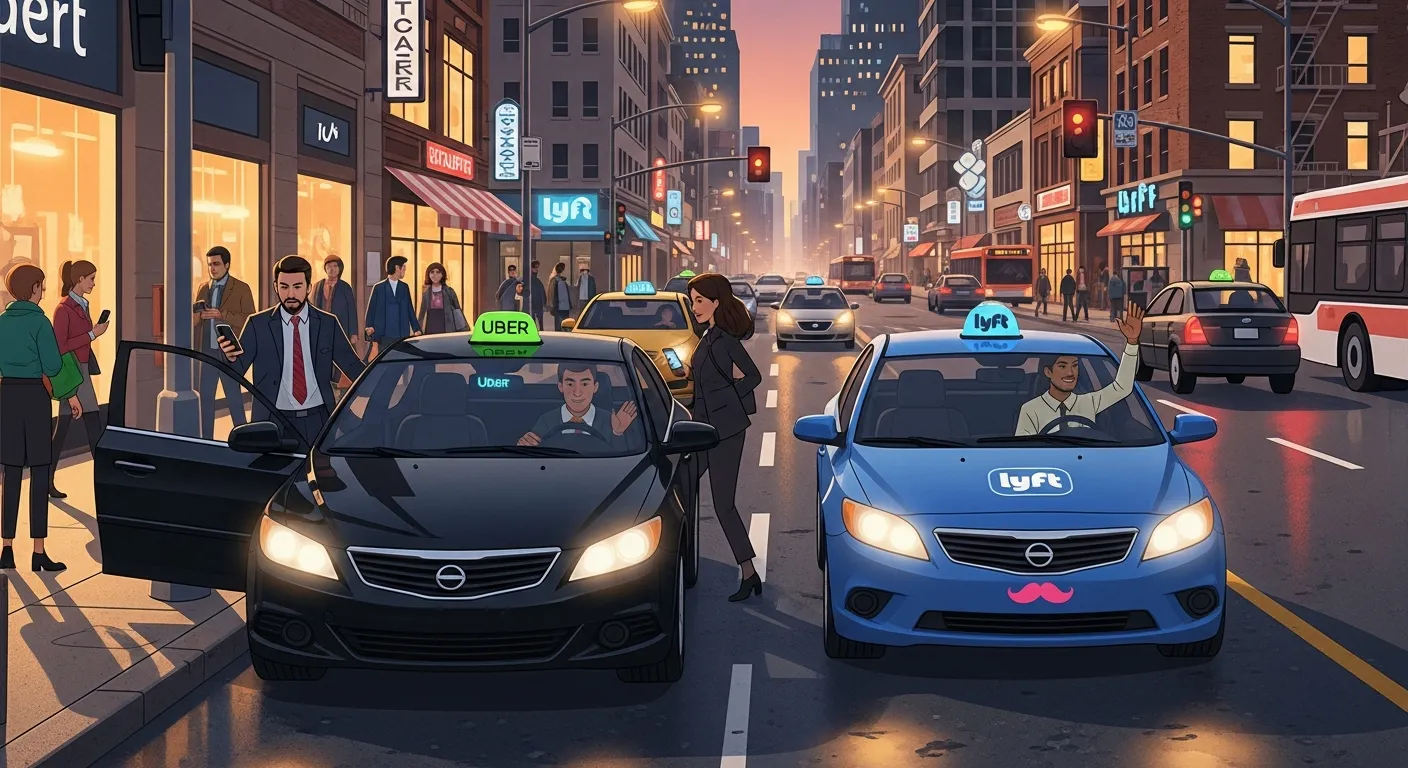
In major metro areas, the difference between Lyft and Uber may shrink; you’re almost always guaranteed a ride with minimal wait on either app. Suburban and rural users, however, often have access only to Uber, making the difference between Lyft and Uber a matter of necessity rather than choice.
Ride Quality and Driver Encounters
While both apps maintain high driver qualification standards, some frequent riders believe Uber vehicles trend slightly newer or cleaner in their experience. Lyft rides, especially during slower hours, tend to be more conversational, reflecting the company’s brand focus on friendliness.
Corporate Culture and Values
Public perception often influences which app users prefer to support. Uber experienced a turbulent period regarding corporate culture, facing numerous controversies related to workplace environments. Following changes in executive leadership, Uber worked hard to repair its image, focusing on diversity, safety, and corporate responsibility.
Lyft has historically marketed itself as the “friendlier” alternative. By focusing on social initiatives, driver well-being, and community partnerships, Lyft cultivated a loyal user base. Understanding this corporate ethos is vital when evaluating the true difference between Lyft and Uber.
Making Your Decision: The Savvy Commuter’s Approach
So, what’s the best way to take advantage of the difference between Lyft and Uber?
Smart Tips for Users
- Always compare prices and wait times before booking, especially during peak hours.
- Review the rewards or loyalty programs attached to each app and align them with your travel habits.
- If your travels take you outside North America, download both apps in advance.
- Monitor regional promotions; sometimes a simple holiday sale can tilt the difference between lyft and uber heavily in your favor.
Choosing Your Best Platform
|
Rider Priority |
Best App |
Key Reason |
|---|---|---|
|
International Travel |
Uber |
Extensive global presence |
|
Micromobility (bikes/scooters) |
Lyft |
Strong US city integration |
|
Food & Grocery Delivery |
Uber |
Integrated Uber Eats |
|
Loyalty Points (airlines/hotels) |
Lyft |
Program partnerships |
|
Eco-Friendly Rides |
Tie |
EV and offset investments by both |
|
Wait Time |
Varies |
Compare in real time on both apps |
Frequently Asked Questions (FAQ)
What is the main difference between Lyft and Uber?
The primary difference between Lyft and Uber lies in their global reach and secondary services. Uber operates internationally and heavily features food delivery through Uber Eats. Lyft focuses primarily on North America and integrates micromobility options like bikes and scooters into its platform.
Which is cheaper, Uber or Lyft?
Determining whether Uber or Lyft is cheaper depends entirely on your exact location, the time of day, and current demand. Both use dynamic pricing, so one app might be surging while the other remains at a baseline fare.
Check this detailed price breakdown
Reviewing prices on both apps simultaneously is the best way to secure the lowest fare.
Does the lyft vs uber price comparison change for airport rides?
Yes, the Lyft vs. Uber price comparison often fluctuates at airports due to specific airport fees and designated pickup zones. Sometimes Uber has exclusive agreements with certain terminals, while Lyft might offer better promotions for travelers. Always check both apps when landing to see which offers the best rate.
How does uber vs lyft availability compare outside the United States?
When comparing uber vs lyft availability internationally, Uber is the undeniable winner by a massive margin. Uber operates in dozens of countries and thousands of cities worldwide, making it a reliable travel companion. Lyft operates almost exclusively in the United States and parts of Canada.
Can I drive for both Uber and Lyft at the same time?
Many independent contractors choose to drive for both platforms simultaneously to maximize their daily earnings and reduce idle time. By keeping both apps open, drivers can accept whichever ride request comes first or offers the best bonus. This strategy helps drivers capitalize on the difference between lyft and uber incentive structures.
What are Uber One and Lyft Pink?
Uber One and Lyft Pink are premium subscription services designed to reward frequent users with specialized perks. Uber One provides discounts on rides and eliminates delivery fees on Uber Eats orders. Lyft Pink offers discounted rides, relaxed cancellation rules, and benefits for their bike and scooter rentals.
Are the vehicle requirements the same for both platforms?
The vehicle requirements for both platforms are largely identical, requiring cars to have four doors, pass a safety inspection, and meet specific age requirements. However, the exact age limit for vehicles can vary by city and state regulations. This similarity means most drivers can easily qualify for both services.
Which app is safer for passengers to use?
Both applications prioritize passenger safety by offering features like GPS tracking, driver background checks, and in-app emergency buttons. You can share your live route with friends or family on both platforms for added peace of mind. Therefore, the safety standards present no major difference between lyft and uber.
Do Uber and Lyft offer environmentally friendly ride options?
Yes, both companies are actively working toward reducing their carbon footprints by offering eco-friendly ride options. Uber allows riders to select Uber Green to ensure they are picked up in a hybrid or fully electric vehicle. Lyft also integrates electric vehicles into its fleet and invests heavily in carbon offset programs.
Why do prices suddenly increase when I try to book a ride?
Prices surge when there are more passengers requesting rides than there are drivers available on the road. This dynamic pricing is meant to incentivize more drivers to log into the app and head to busy areas. Understanding this mechanic is crucial when trying to figure out which is cheaper uber or lyft during rush hour.
With these detailed insights, you are now equipped to navigate the difference between lyft and uber for any ride, commute, or travel scenario.
