


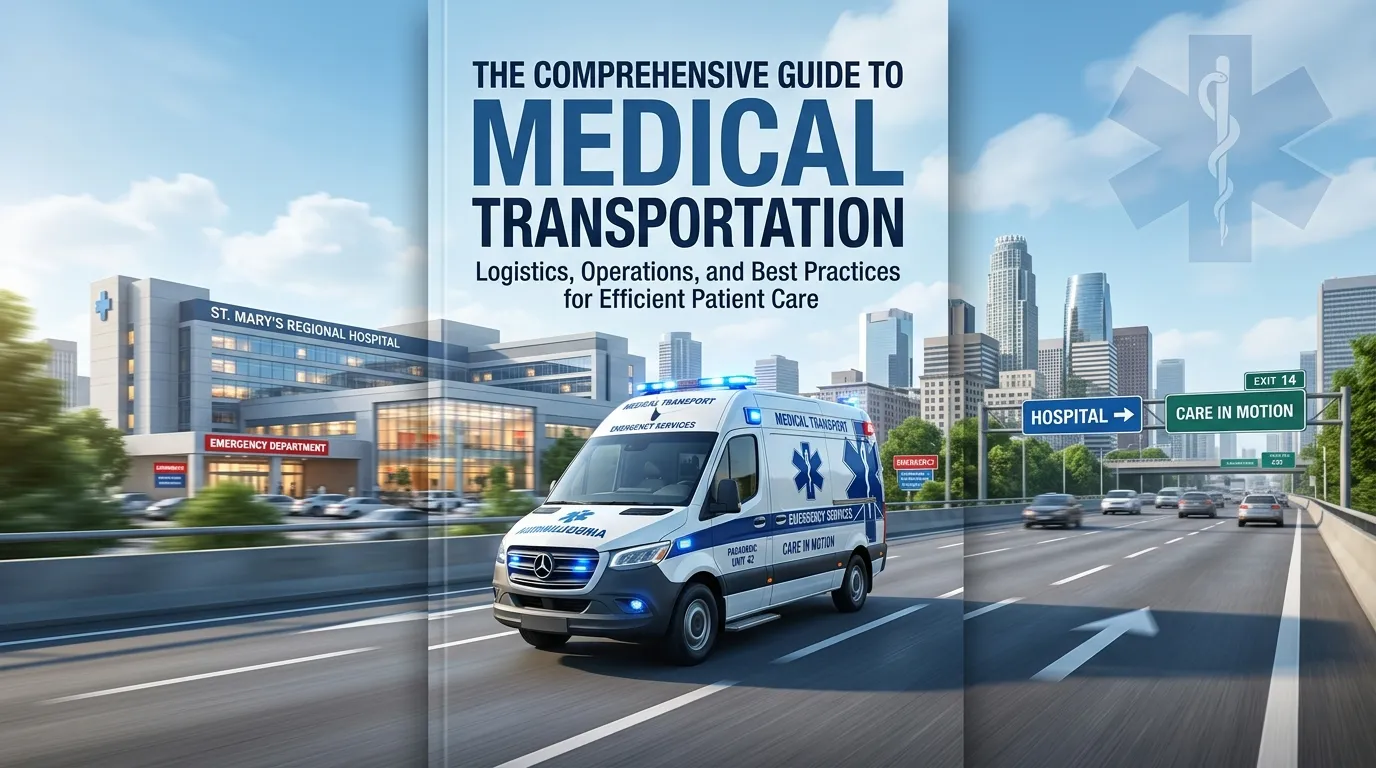
Learn everything about medical transportation, including emergency and non-emergency services, wheelchair transport, medical shuttles, insurance coverage, provider selection, and practical travel tips to ensure safe, reliable access to healthcare appointments and better long-term health outcomes.
Missing a doctor’s appointment because you can’t get a ride shouldn’t cost you your health. Yet every year, millions of people skip vital medical care simply because they lack a safe, reliable way to get there. This is where medical transportation steps in as a quiet but powerful lifeline. It connects patients to the care they need, no matter their age, mobility, or condition.
This guide explains everything you need to know about medical transportation. We’ll cover what it is, the different types available, who qualifies, how it’s paid for, and how to choose the right provider. You’ll find practical tips, a clear comparison table, and answers to the questions people ask most. Whether you’re arranging rides for yourself, a loved one, or patients in your care, this resource will help. Let’s explore how the right transport service keeps healthcare accessible for everyone.
What Is Medical Transportation?
Medical transportation refers to any service that moves patients safely to and from healthcare appointments and facilities. It ranges from simple rides for routine checkups to fully equipped ambulances for emergencies. The goal stays the same across every type: getting patients where they need to be without risk or stress.
Unlike a regular taxi or rideshare, these services often include trained staff and specialized vehicles. Drivers understand patient needs, follow safety protocols, and handle mobility equipment with care. This extra layer of support makes medical transportation far more than a simple trip from point A to point B.
The field covers a wide spectrum of needs. Some patients need help stepping into a vehicle. Others require a stretcher, oxygen, or constant monitoring during the ride. Because needs vary so much, the industry offers many service levels to match each situation precisely.
Why Reliable Transport Matters for Health
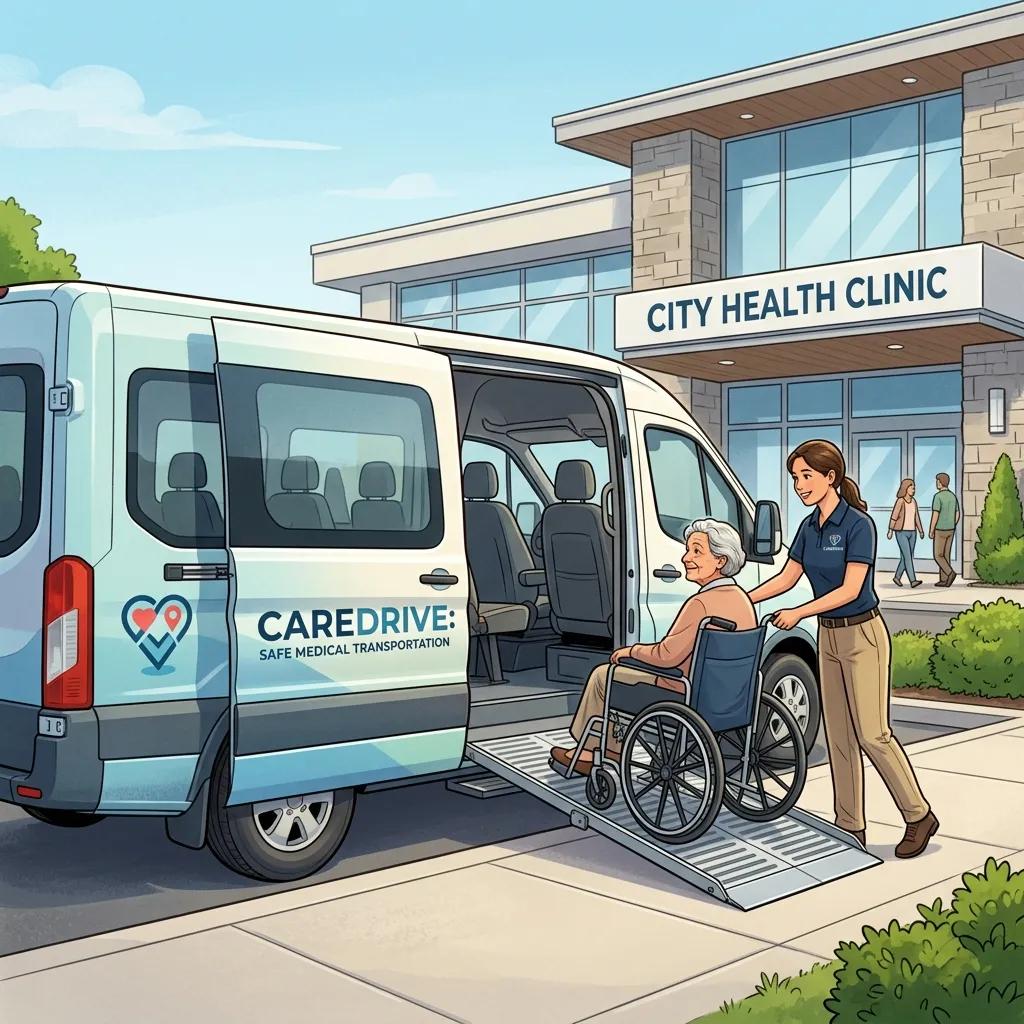
Access to care depends heavily on the ability to reach it. When people can’t get to appointments, they miss screenings, skip treatments, and delay important follow-ups. Over time, these gaps lead to worse health outcomes and higher costs for everyone.
Reliable Healthcare Transportation solves this problem directly. It removes a major barrier that keeps vulnerable people from staying healthy. For seniors, people with disabilities, and those managing chronic conditions, dependable rides can genuinely change lives.
Who Depends on These Services
A surprisingly wide range of people rely on patient transport every day. Understanding who benefits helps show just how essential these services truly are.
- Seniors who no longer drive but still need regular medical care.
- People with disabilities who require wheelchair-accessible vehicles.
- Chronic illness patients traveling to dialysis, chemotherapy, or physical therapy.
- Post-surgery patients who cannot safely drive themselves home.
- Low-income individuals without access to a personal vehicle.
Each group faces unique challenges, but they share one common need. They all require a safe, dependable way to reach their care. Medical transportation meets that need with tailored solutions for every situation.
The Main Types of Medical Transportation
Not every trip to the doctor looks the same, so services come in several distinct forms. Knowing the differences helps you pick the right option for any situation. Let’s break down the major categories you’ll encounter.
Emergency Medical Transportation
Emergency transport handles life-threatening situations where speed and equipment save lives. Ambulances staffed by paramedics respond to accidents, heart attacks, strokes, and other urgent crises. These vehicles carry advanced life-support tools and trained medical professionals.
Response time matters enormously here. Emergency crews aim to reach patients fast, stabilize them, and rush them to a hospital. Air ambulances, including helicopters, serve remote areas or cases where every second counts. This category represents the most intensive form of patient transport.
Non Emergency Medical Transportation
Non Emergency Medical Transportation serves patients who need care but aren’t facing a crisis. This includes rides to routine checkups, therapy sessions, dialysis, and specialist visits. Though not urgent, these trips still require safe, reliable, and often specialized transport.
Many patients in this group have mobility challenges or medical needs during travel. Vehicles may include wheelchair lifts, stretchers, or trained attendants. Non Emergency Medical Transportation fills the gap between a standard taxi ride and a full ambulance response. It keeps ongoing care accessible and consistent.
Wheelchair and Stretcher Transport
Some patients cannot use a standard vehicle seat comfortably or safely. Wheelchair-accessible vans feature ramps and secure locking systems to keep riders stable. Stretcher transport suits patients who must remain lying down throughout the trip.
These specialized Patient Transport Services prioritize comfort and safety above all. Trained staff help patients board, secure them properly, and monitor them along the way. This care ensures even those with serious mobility limits travel without fear or discomfort.
Medical Shuttle Services
A Medical Shuttle offers scheduled, shared rides to and from healthcare facilities. Hospitals, clinics, and senior communities often run these routes for their patients and residents. They provide an affordable, dependable option for people with regular appointments.
Shuttles work much like a bus system built around medical needs. They follow set schedules and stops, making them efficient and cost-effective. For patients who need routine care, a Medical Shuttle brings both convenience and peace of mind.
Understanding Non Emergency Medical Transportation in Depth
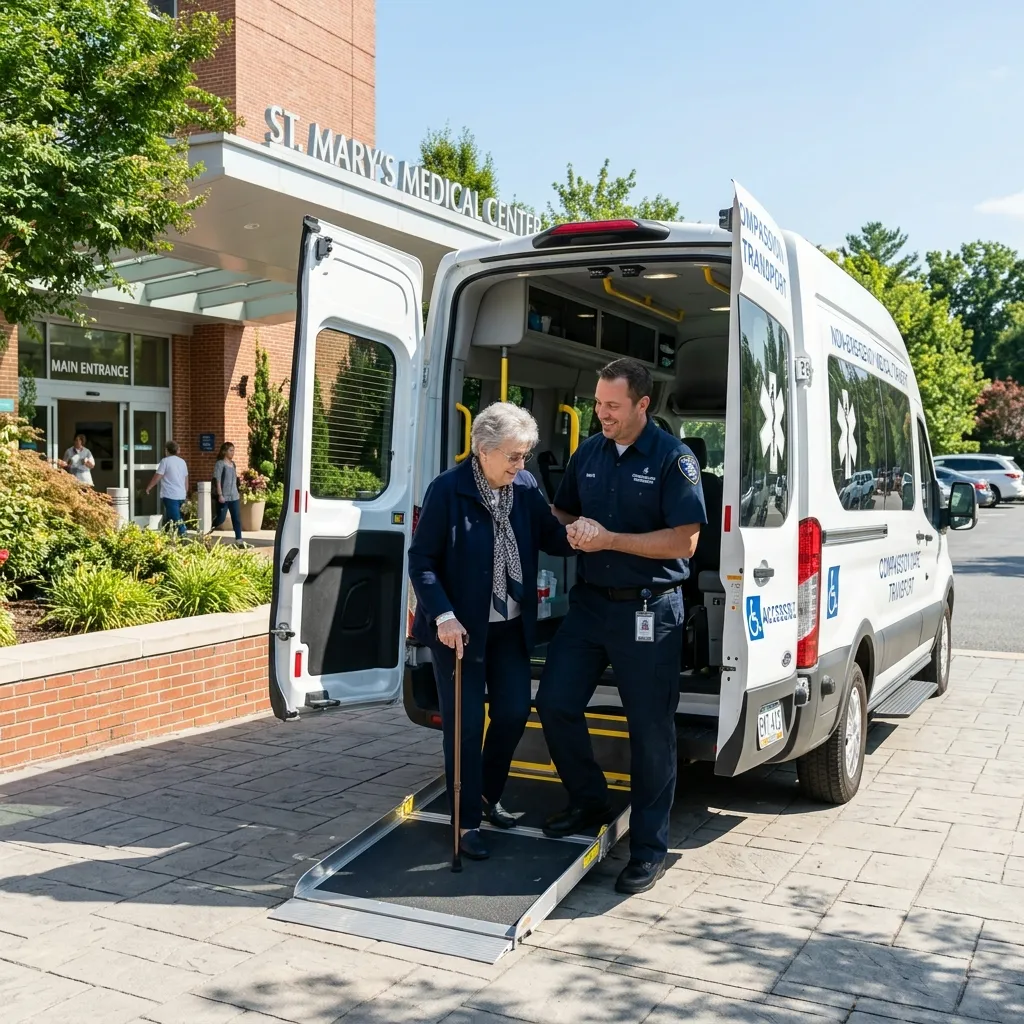
Non Emergency Medical Transportation, often shortened to NEMT, deserves special attention. It serves as the backbone of everyday Healthcare Transportation for millions of people. Because so many patients rely on it, understanding how it works truly pays off.
NEMT bridges a critical gap in the healthcare system. Many people need regular care but lack a safe way to get there. Without NEMT, these patients might skip treatments or arrive at appointments exhausted and stressed. The service keeps their care on track and their health stable.
Providers range from small local operators to large regional networks. Some focus on Medicaid patients, while others serve private clients or partner with hospitals. This variety means patients can usually find an option that fits their needs and budget.
How NEMT Works Day to Day
Booking a ride usually starts with a phone call or online request. Patients or caregivers share the appointment details, mobility needs, and pickup location. The provider then assigns a suitable vehicle and driver for the trip.
On the day of travel, a trained driver arrives at the scheduled time. They assist the patient into the vehicle and secure any equipment safely. After the appointment, the driver often waits or returns to bring the patient home. This door-to-door service makes life far easier for patients and families alike.
Common Uses for NEMT
Non Emergency Medical Transportation supports a broad range of recurring care needs. Recognizing these uses shows just how vital the service is for daily health management.
- Dialysis appointments that happen several times each week.
- Chemotherapy and radiation sessions requiring gentle, reliable transport.
- Physical therapy visits following surgery or injury.
- Routine checkups with primary care doctors and specialists.
- Mental health appointments and counseling sessions.
These trips repeat often, sometimes several times weekly. Reliable NEMT ensures patients never miss the ongoing care that keeps them healthy. That consistency is exactly what makes the service so valuable.
Who Qualifies and How Coverage Works
Paying for medical transportation can feel confusing at first. Coverage depends on your insurance, your medical needs, and the type of service required. Understanding the basics helps you avoid surprises and access the support you deserve.
Many public and private programs help cover these costs. Medicaid, in particular, offers transportation benefits for eligible members who lack other options. Medicare covers some ambulance services when medically necessary. Private insurance plans vary widely in what they include.
Eligibility usually hinges on medical necessity and financial need. A doctor may need to confirm that transport is required for your care. Meeting these criteria opens the door to covered rides that ease both stress and expense.
Medicaid and Government Programs
Medicaid stands out as a major source of transportation support. It often covers Non Emergency Medical Transportation for members who cannot reach care otherwise. Rules and benefits differ by state, so checking your local program matters.
For a clear overview of how Medicaid transportation benefits work, this official resource explains the essentials.
Learn more about Medicaid medical transportation coverage here:
Medicaid Medical Transportation Overview
Reviewing this guidance helps you understand eligibility, covered services, and how to arrange rides. It clarifies the steps involved and the support you can expect. Pairing this knowledge with a call to your local Medicaid office sets you on the right path quickly.
Private Insurance and Out-of-Pocket Options
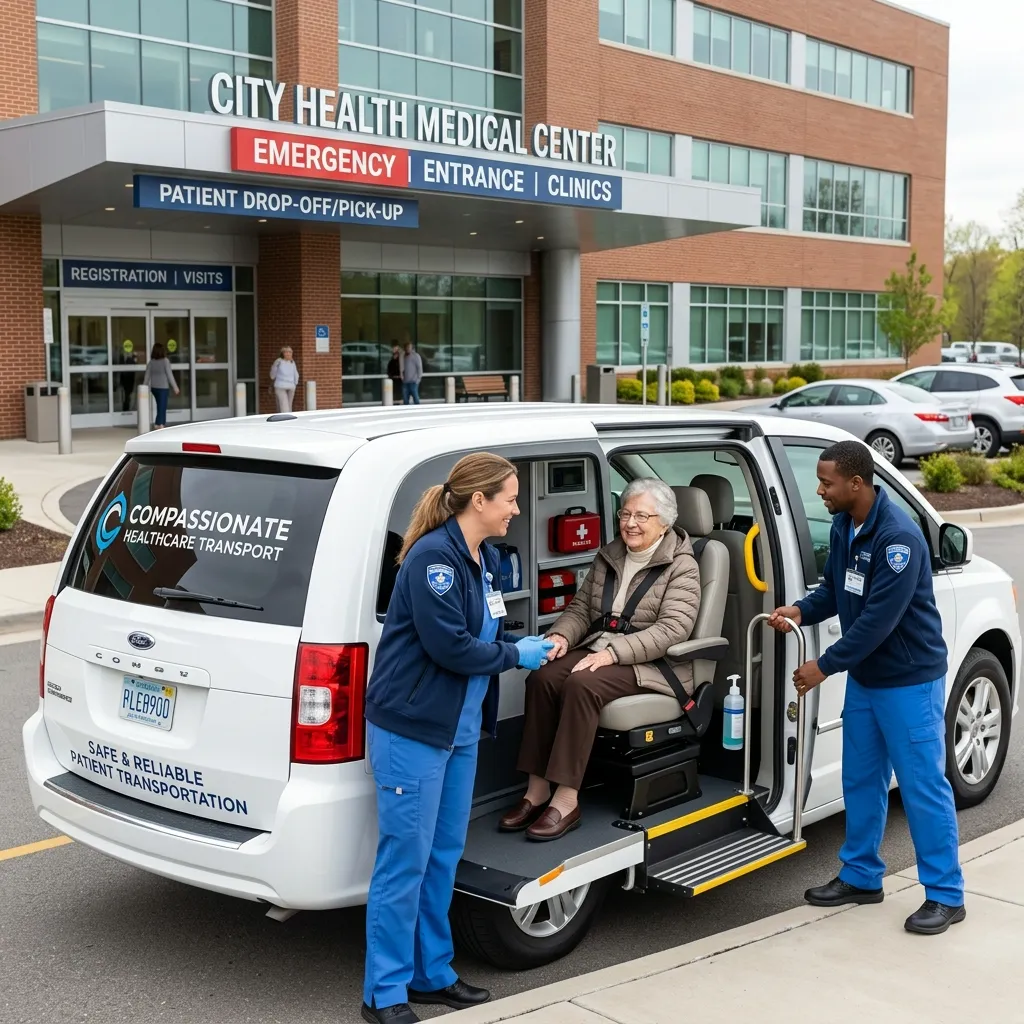
Private insurance plans sometimes include transportation benefits, especially for certain conditions. Reviewing your policy or calling your insurer reveals what’s covered. Some Medicare Advantage plans also add transport perks that original Medicare doesn’t offer.
When insurance falls short, out-of-pocket options remain available. Many providers offer flat rates or package deals for regular riders. Comparing prices and asking about discounts helps you find affordable Patient Transport Services that fit your budget.
Comparing Types of Medical Transportation
Choosing the right service becomes easier when you can see the options side by side. The table below compares the main types across key factors. Use it as a quick reference when deciding what fits your situation best.
|
Service Type |
Best For |
Staff Level |
Typical Cost |
Urgency |
|---|---|---|---|---|
|
Emergency Ambulance |
Life-threatening crises |
Paramedics/EMTs |
High |
Immediate |
|
Non Emergency Medical Transportation |
Routine and scheduled care |
Trained drivers/attendants |
Low to medium |
Planned |
|
Wheelchair Transport |
Mobility-limited patients |
Trained attendants |
Medium |
Planned |
|
Stretcher Transport |
Bedbound patients |
Trained attendants |
Medium to high |
Planned |
|
Medical Shuttle |
Regular, shared trips |
Drivers |
Low |
Scheduled |
This comparison highlights how varied medical transportation truly is. Each service level matches a specific need, cost range, and level of urgency. Knowing these differences helps you avoid overpaying or under-preparing for any trip.
Reading the Table for Your Needs
Start by identifying the urgency of the situation. A true emergency always calls for an ambulance without hesitation. For planned care, the other options offer safer and far more affordable choices.
Next, consider mobility needs and budget. Wheelchair or stretcher transport suits patients with specific physical requirements. A Medical Shuttle works beautifully for routine visits on a tight budget. Matching your needs to the table keeps every trip smooth and cost-effective.
How to Choose the Right Provider
Picking a trustworthy provider protects both safety and peace of mind. With so many options available, a little research goes a long way. These steps help you find a service that treats patients with genuine care.
Start by checking credentials and reputation. A quality provider holds proper licenses, insurance, and trained staff. Reading reviews and asking for recommendations reveals how they treat real patients. This groundwork filters out unreliable operators quickly.
Next, confirm they meet your specific needs. Ask about vehicle types, equipment, and driver training. A good provider answers questions clearly and makes you feel confident. Trust your instincts, since comfort and communication matter greatly in Healthcare Transportation.
Key Questions to Ask Providers
Before booking, a few pointed questions reveal a lot about quality. Asking them protects you and ensures the service fits your situation.
- Are your drivers trained in patient safety and first aid?
- What vehicles and equipment do you offer for special needs?
- How far in advance must I book a ride?
- Do you accept my insurance or offer affordable rates?
- What is your policy for delays or cancellations?
Clear, confident answers signal a reliable provider. Vague or dismissive responses are warning signs. These questions help you separate professional Patient Transport Services from lower-quality options with ease.
Red Flags to Watch For
Some warning signs should make you pause and reconsider. Poorly maintained vehicles suggest a lack of care and safety focus. Untrained or rude staff put patients at real risk during travel.
Watch for unclear pricing or hidden fees too. Reputable providers explain costs upfront without pressure. Avoid any service that dodges questions about licensing or insurance. Spotting these red flags early saves you stress and keeps patients safe.
The Benefits of Professional Medical Transportation
Choosing a professional service brings rewards that go far beyond a simple ride. These benefits touch safety, health, and quality of life. Understanding them shows why so many patients rely on these services.
Safety and Peace of Mind
Trained staff and proper equipment make every trip safer. Drivers know how to handle mobility devices and monitor patients along the way. This expertise prevents accidents and injuries that untrained help might cause.
For families, this safety brings enormous relief. They trust that their loved one travels in capable hands. That peace of mind lets caregivers breathe easier, knowing professionals handle the journey with genuine care and attention.
Better Health Outcomes
Reliable transport keeps patients on schedule with their care. They attend every appointment, take every treatment, and follow every plan. This consistency leads directly to healthier, more stable lives over time.
Missed appointments cause real harm, from worsening conditions to costly emergencies. Medical transportation prevents these setbacks. By removing the travel barrier, it helps patients stay healthy and out of the hospital.
Independence and Dignity
For many patients, losing the ability to drive feels like losing freedom. Professional transport restores much of that independence. Patients can attend appointments, run health-related errands, and stay engaged with their care.
These services also protect dignity. Trained staff treat patients with respect and patience. This kind, professional approach helps patients feel valued rather than burdensome. That dignity matters just as much as the ride itself.
Technology and the Future of Medical Transportation
The industry keeps evolving as new technology reshapes how services work. These changes make transport smarter, faster, and more reliable. Looking ahead reveals an exciting future for patients and providers alike.
Smarter Scheduling and Booking
Modern apps and software simplify booking rides dramatically. Patients or caregivers request trips with a few taps on a screen. Providers then match vehicles and drivers automatically for maximum efficiency.
These tools reduce errors and wait times significantly. They also send reminders and real-time updates to keep everyone informed. This digital shift makes Healthcare Transportation smoother and less stressful for all involved.
Real-Time Tracking and Communication
GPS tracking now lets families follow rides in real time. They see exactly where the vehicle is and when it will arrive. This transparency eases worry and helps everyone plan around appointments.
Better communication tools connect drivers, dispatchers, and families instantly. If delays happen, everyone knows right away. This constant flow of information keeps trips organized and reassuring from start to finish.
Rideshare Partnerships and New Models
Healthcare providers increasingly partner with rideshare companies for non-medical needs. These partnerships offer affordable rides for patients who don’t require special equipment. They expand access and reduce costs across the system.
New models blend traditional Patient Transport Services with modern convenience. This flexibility helps more people reach care without breaking the bank. As these ideas grow, medical transportation becomes more accessible than ever before.
Practical Tips for Patients and Caregivers
A few smart habits make using these services smoother and less stressful. These tips help you plan ahead and avoid common problems. Apply them to get the most from every trip.
Plan and Book Early
Booking in advance guarantees a ride when you need it. Popular providers fill up fast, especially during busy hours. Scheduling early gives you the best choice of times and vehicles.
Confirm your booking a day before the trip. Double-check the pickup time, location, and any special needs. This simple step prevents mix-ups and ensures a smooth, stress-free journey to your appointment.
Prepare for the Trip
A little preparation makes travel easier for everyone. Gather what you need before the driver arrives to avoid last-minute rushes.
- Have your ID and insurance cards ready to go.
- Bring any medications you might need during the trip.
- Wear comfortable clothing suited to your appointment.
- Keep a phone charged in case you need to reach the provider.
- Note any special instructions from your doctor.
This readiness helps trips run on time and without hassle. It also reduces stress for patients who may already feel anxious. A prepared traveler enjoys a calmer, smoother ride every time.
Communicate Special Needs Clearly
Always tell your provider about any special requirements upfront. Mention mobility devices, oxygen needs, or the need for an attendant. Clear communication ensures they send the right vehicle and staff.
Don’t assume the provider knows your situation. Spelling out your needs prevents uncomfortable surprises on trip day. This honesty helps them deliver the safe, comfortable service you deserve every single time.
Common Challenges and How to Overcome Them
Even good services face occasional hurdles. Knowing these challenges helps you handle them calmly and effectively. Here are the most common issues and simple ways to solve them.
Handling Delays and Cancellations
Delays happen sometimes due to traffic, weather, or scheduling snags. Building in extra time reduces the stress they cause. Aim to book pickups well before your appointment start time.
If a ride gets canceled, having a backup plan helps enormously. Keep a second provider’s number handy just in case. Staying calm and prepared turns a frustrating delay into a minor bump in your day.
Managing Costs
Transportation costs add up, especially for frequent trips. Exploring every coverage option helps keep expenses manageable. Check with Medicaid, Medicare, and private insurance for available benefits.
Ask providers about discounts for regular riders or bundled trips. Nonprofits and community programs sometimes offer free or low-cost rides too. A little research uncovers affordable Healthcare Transportation options you might otherwise miss.
Finding Services in Rural Areas
Rural patients often struggle to find nearby providers. Options can be scarce and distances long. Starting your search early gives you time to find the best available choice.
Reach out to local hospitals, clinics, and senior centers for referrals. They often know which providers serve your area reliably. Community and volunteer programs can also fill gaps where commercial services fall short.
Bringing It All Together
Medical transportation keeps healthcare within reach for people who might otherwise go without. From emergency ambulances to a scheduled Medical Shuttle, each service plays a vital role. Together, they ensure patients reach the care that keeps them healthy and independent.
Here are the key takeaways to remember:
- Match the service to the need, whether it’s emergency, wheelchair, or Non Emergency Medical Transportation.
- Explore coverage options through Medicaid, Medicare, and private insurance.
- Choose providers carefully by checking credentials, reviews, and clear pricing.
- Plan ahead and communicate your special needs for smooth, stress-free trips.
Your next step is simple. Identify the service that fits your situation, confirm your coverage, and book with a trusted provider. With the right medical transportation in place, no one has to miss the care they need. Reliable rides mean better health, greater peace of mind, and lasting independence.
Frequently Asked Questions
What exactly is medical transportation?
Medical transportation is any service that safely moves patients to and from healthcare appointments or facilities. It ranges from emergency ambulances to scheduled rides for routine care. These services often include trained staff and specialized vehicles. The goal is always getting patients where they need to be safely.
What is the difference between emergency and Non Emergency Medical Transportation?
Emergency transport handles life-threatening crises using ambulances and paramedics for immediate response. Non Emergency Medical Transportation serves patients needing routine or scheduled care instead. The non-emergency type covers checkups, dialysis, and therapy trips. Both keep patients safe, but they meet very different levels of urgency.
Who qualifies for medical transportation coverage?
Eligibility usually depends on medical necessity and your insurance program. Medicaid often covers Non Emergency Medical Transportation for members who lack other options. Medicare covers some ambulance trips when medically necessary. Checking with your specific insurer or state program reveals what you qualify for.
Does Medicaid pay for Non Emergency Medical Transportation?
Yes, Medicaid frequently covers Non Emergency Medical Transportation for eligible members. Coverage helps patients reach care when they have no other reliable way. Rules and benefits vary by state, so local details matter. Contacting your state Medicaid office clarifies exactly what’s covered for you.
What is a Medical Shuttle and how does it work?
A Medical Shuttle offers scheduled, shared rides to and from healthcare facilities. Hospitals, clinics, and senior communities often run these routes for patients. It works much like a bus system built around medical needs. Shuttles provide an affordable, dependable option for people with regular appointments.
How do I book Patient Transport Services?
Booking usually starts with a phone call or online request to a provider. You share the appointment details, pickup location, and any special needs. The provider then assigns a suitable vehicle and driver for your trip. Booking early guarantees the best choice of times and vehicles.
Are wheelchair-accessible vehicles available for medical transportation?
Yes, many providers offer wheelchair-accessible vans with ramps and secure locking systems. These vehicles keep riders stable and comfortable throughout the entire trip. Trained attendants help patients board and secure their equipment safely. Always mention wheelchair needs when booking to get the right vehicle.
How much does medical transportation cost?
Costs vary widely based on the service type, distance, and equipment needed. Emergency ambulances sit at the higher end of the price range. Non Emergency Medical Transportation and shuttles cost far less by comparison. Insurance, Medicaid, and provider discounts can reduce your out-of-pocket expenses significantly.
How do I choose a reliable Healthcare Transportation provider?
Start by checking the provider’s licenses, insurance, and staff training. Read reviews and ask for recommendations to gauge their reputation. Confirm they offer the vehicles and equipment your situation requires. Clear communication and upfront pricing are strong signs of a trustworthy provider.
What should I do if my ride is delayed or canceled?
Build extra time into your schedule to handle unexpected delays calmly. Keep a backup provider’s number handy in case of a cancellation. Contact your provider quickly to arrange an alternative when problems arise. Staying prepared turns a frustrating situation into a manageable minor setback.
Can I use medical transportation in rural areas?
Yes, though options can be more limited in rural regions. Starting your search early gives you time to find a reliable provider. Local hospitals, clinics, and senior centers often offer helpful referrals. Community and volunteer programs can also fill gaps where commercial services fall short.
How is technology improving medical transportation?
Technology makes booking, scheduling, and tracking rides far easier today. Apps let patients request trips and receive real-time updates instantly. GPS tracking lets families follow rides and plan around appointments. These advances make Healthcare Transportation smoother, faster, and more reliable for everyone.
