



When is Uber cheapest? Due to dynamic demand, the cheapest rides typically occur during off-peak hours, mid-mornings, and non-surge periods. Walking away from high-demand zones, avoiding rush hours, and using shared rides help significantly reduce costs.
We have all been there. You open your phone, tap the rideshare app, and stare in disbelief at the estimated fare that appears on the screen. What seemed like a simple, routine trip suddenly turns into a small financial decision. Do you book now and accept the high price, or do you wait and hope it drops? This is the modern dilemma of urban transportation—one that almost everyone using rideshare services has faced at least once.
The eternal quest for cheaper transportation is a very real struggle in today’s fast-moving world, especially when budgets are tight and every bit of spending matters. Whether you are commuting to work, heading to a meeting, going out with friends, or simply trying to get home after a long day, the cost of convenience can sometimes feel unexpectedly high. What makes it even more frustrating is that the same exact route can vary in price so dramatically, even within the same hour.
Understanding when Uber is cheapest can feel like trying to solve a complex mathematical puzzle with constantly changing variables. One moment the fare seems reasonable, and the next it spikes without warning. You might find yourself wondering why identical trips can cost drastically different amounts depending on the day of the week, the time of day, weather conditions, local demand, or even large events happening nearby. It often feels unpredictable, almost like the pricing is controlled by invisible forces working behind the scenes.
The Eternal Quest for Cheaper Uber Rides
The Evolution of Rideshare Pricing
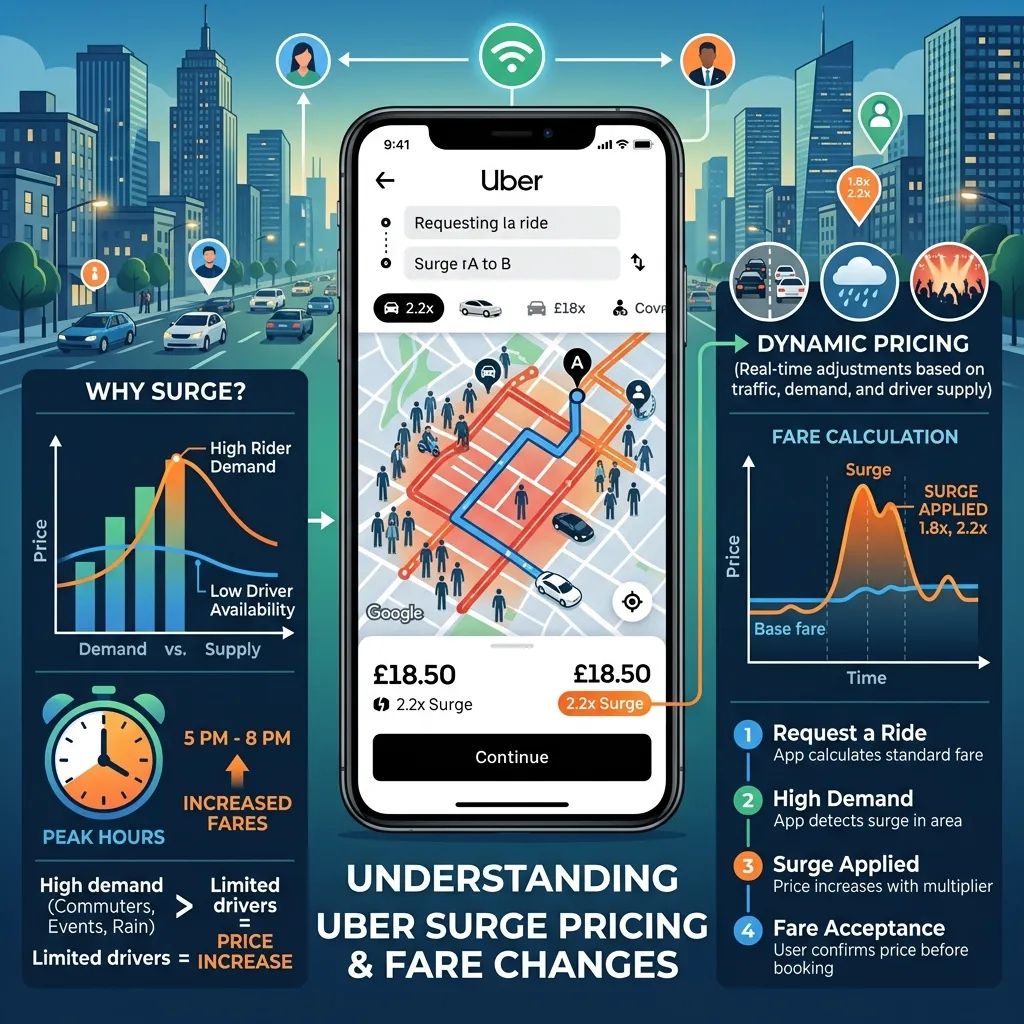
Briefly, the complexity of Uber’s pricing comes down to a constantly shifting algorithm. This digital brain calculates millions of data points every second. It looks at how many drivers are on the road, how many riders are requesting trips, traffic patterns, and geographical demand. This means the price you see is fluid, responding to real-time variables. In the early days of ridesharing, pricing was more static, but today, it is a highly sophisticated economic model designed to balance supply and demand perfectly.
What You Will Learn
This guide serves as your ultimate playbook. We are unveiling strategies to minimize Uber costs so you can keep more money in your pocket. By understanding the system, you will learn exactly when is Uber cheapest, how to master off-peak rides, and the secrets to making every trip a budget-friendly experience. We will explore everything from temporal advantages and geographical tricks to dispelling common myths that might be costing you money.
Understanding Uber’s Dynamic Pricing Model
To figure out when is Uber cheapest, you must first understand the machine behind the pricing. The dynamic pricing model is the core of how rideshare platforms operate, ensuring that there is always a car available for those willing to pay the market rate.
Surge Pricing Explained
Surge pricing is the multiplier effect applied to your base fare when demand outstrips supply. When everyone wants a ride at the same time, the app increases prices to encourage more drivers to get on the road. If you want to know when is Uber cheapest, the answer is always during non-surge periods. Surge pricing avoid tactics are essential for anyone looking to maintain a strict travel budget.
The Psychology of the Surge
Surge pricing is not just about economics; it is about behavioral psychology. The app uses colors—often shades of red and orange on the driver’s side—to indicate where demand is highest. For the rider, seeing a high price might make you wait, which is exactly what the system wants. It needs a portion of riders to delay their trips so that the available cars are not overwhelmed.
Factors Influencing Surge
Several variables trigger a surge. Understanding these triggers is your first step in predicting when is Uber cheapest.
- Time of day: Rush hours naturally see a massive spike in requests. Morning commutes and evening returns are peak times.
- Demand: Large gatherings, festivals, and conventions mean high volume in a very concentrated area.
- Events: Concerts and sports games create localized surges that can ripple out to surrounding neighborhoods.
- Weather: Rain, snow, or extreme heat makes everyone abandon walking or waiting for public transit in favor of a warm, climate-controlled car.
Base Fare, Per-Mile, and Per-Minute Rates
Your fare is not just a random number pulled from the digital ether. It starts with a base fare, essentially a flat fee just for getting in the car. Added to this are per-mile and per-minute rates.
How Traffic Impacts Your Wallet
When is Uber cheapest? It is cheapest when traffic is light. Because you are charged a per-minute rate alongside the per-mile rate, sitting in gridlock actively increases your final bill. Traveling during times when roads are clear ensures you reach your destination faster, keeping that per-minute calculation as low as possible.
How Uber’s Algorithm Works
The algorithm is a massive supply-and-demand calculator. If there are fifty riders but only ten drivers in a neighborhood, the algorithm raises the price. As the price goes up, some riders decide to wait, while drivers from other areas rush in to catch the higher fares. Equilibrium is restored, and eventually, prices drop. Understanding this ebb and flow is crucial to identifying an Uber cheap time.
Best Times to Ride: The Temporal Advantage
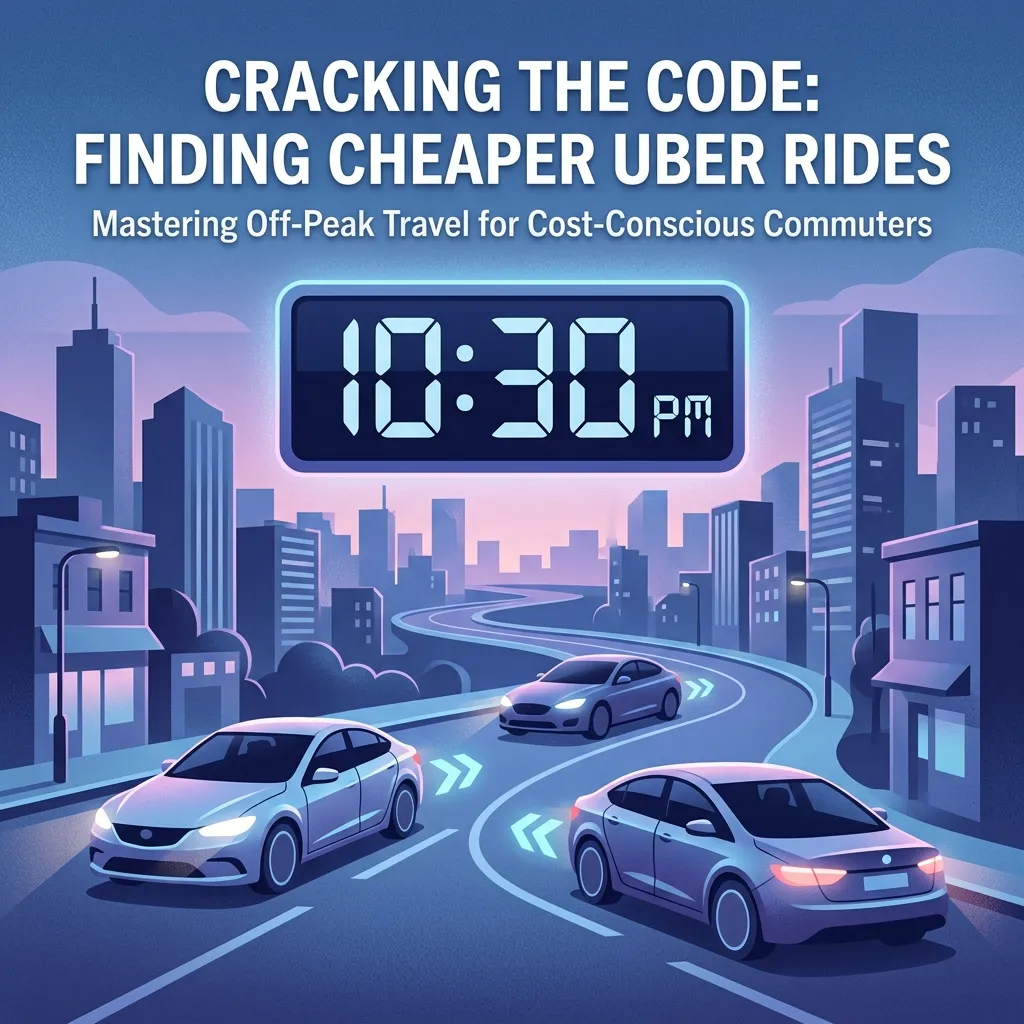
Timing is everything. If your schedule is flexible, you hold the ultimate power to dictate your fare.
Avoiding Peak Hours
To figure out when is Uber cheapest, look at standard commute times. The morning rush when people are heading to work, and the evening rush when they are heading home, are notorious for high prices. Weekends, particularly late evenings when people are going out or heading home from bars, also see massive spikes. You want to aim for off-peak rides to maximize your savings.
The Commuter Penalty
Rideshare companies know that commuters have very little flexibility. If you have to be at your desk, you will likely pay the premium. Therefore, avoiding the 7:00 AM to 9:00 AM window, as well as the 4:30 PM to 6:30 PM window, is critical.
Optimal Times for Different Days of the Week
Finding an Uber cheap time requires looking at weekday ride fares. Mid-morning and early afternoon on a Tuesday or Wednesday are generally your best bets. During these windows, the morning commuters are already at work, and the evening rush has not started. This lull in demand makes it the perfect time to travel if you want to know when is Uber cheapest.
The Weekend Shift
Weekends have their own unique pricing rhythms. Saturday mornings might see a slight surge due to brunch crowds, while Sunday evenings can spike as people return from weekend getaways. If you are traveling on the weekend, the absolute cheapest times are usually very early Sunday morning before the city wakes up.
Impact of Holidays and Special Events
Holidays throw a massive wrench into normal pricing patterns. New Year’s Eve, Halloween, and St. Patrick’s Day are infamous for skyrocketing fares that can reach astonishing multipliers.
Strategic Holiday Travel
If you must travel on these major holidays, try to leave exceptionally early or wait until the peak celebrations have completely died down. For example, heading to a New Year’s Eve party at 7:00 PM will be vastly cheaper than trying to find a ride at 10:30 PM.
Best Places to Ride: The Geographical Advantage
Location plays a massive role in your final bill. Sometimes, moving just a few blocks can slash your fare in half.
Avoiding High-Demand Areas
Airports, concert venues, and bustling city centers are surge magnets. The app geofences these locations, instantly applying a premium because the demand is intensely concentrated. When is Uber cheapest in these scenarios? Usually never, unless you physically leave the high-demand zone.
The Airport Dilemma
Airports are uniquely challenging because rideshare companies often have to pay fees to the airport authority to operate there, which are passed on to you. Additionally, hundreds of people disembarking from a flight simultaneously creates an instant, unavoidable surge.
Walking a Short Distance for Lower Fares
If you are leaving a crowded stadium or a massive convention center, do not request your ride at the main gate. Walk a few blocks away from the venue to a quieter residential street or a less busy intersection. You will often step right out of the surge zone, resulting in a significantly lower price. This is one of the most effective surge pricing avoid tactics.
Impact of Geographical Zones on Pricing
Cities are divided into invisible geometric zones by the algorithm. Crossing from a high-demand zone into a standard zone can change your price dramatically. Keep an eye on the rider app map; sometimes a quick stroll across an intersection is all it takes to find an Uber cheap time and place.
Choosing the Right Uber Service
Not all rides are created equal. The platform offers multiple tiers of service, and choosing the right one is absolutely crucial for your budget.
Cost vs. Convenience
Choosing between UberX, Uber Pool, Uber Comfort, and Uber Black is a constant balancing act. If you want to know when is Uber cheapest across the board, shared rides always win the pricing war.
|
Service Type |
Cost Level |
Privacy |
Best Use Case |
|---|---|---|---|
|
Uber Pool / Share |
Lowest |
Shared with strangers |
Commuting on a tight budget |
|
UberX |
Moderate |
Private ride |
Standard trips and daily errands |
|
Uber Comfort |
Higher |
Private, more legroom |
Longer trips requiring extra space |
|
Uber Black |
Highest |
Private, luxury vehicle |
Business travel or special occasions |
When to Choose Each Service
For optimal savings, select shared options if you are not in a rush. Shared rides take longer because the driver must deviate from the most direct route to pick up and drop off other passengers. However, the financial trade-off is often well worth the extra few minutes. If you have luggage or are traveling with a group, dividing an UberX might actually be cheaper per person than booking individual transit tickets.
The Group Travel Hack
If you are traveling with three other friends, upgrading to an UberXL might seem more expensive upfront, but when split four ways, it often breaks down to a highly competitive per-person rate compared to taking two standard UberX vehicles.
Leveraging Uber Features and Promotions
The app itself has built-in tools and partnerships that savvy riders use to their advantage to consistently secure lower prices.
Scheduled Rides vs. On-Demand
While scheduling a ride can give you immense peace of mind—especially for early morning airport runs—it does not lock in a low price if a surge happens to be active at your pickup time. However, in some specific test markets, advanced booking features can help you anticipate costs. Generally, requesting an on-demand car during off-peak rides is the most reliable way to save money.
Uber Rewards and Loyalty Programs
Frequent riders should take full advantage of any available loyalty programs. Earning points on every ride can eventually unlock discounts, priority pickups at airports, or waived cancellation fees, making your overall experience much cheaper over time.
Promo Codes and Discounts
Always hunt for promo codes before you book. You can find them through credit card partnerships, email newsletters, or promotional websites. Many premium travel credit cards offer monthly rideshare credits or complimentary elevated status that directly impacts your final fare. Applying a 20% off coupon is a guaranteed way to lower your fare and secure an Uber cheap time.
Referrals and First-Ride Discounts
If you have friends or family members who have never used the app, send them your referral code. They get a substantial discount on their first ride, and you usually receive a credit toward your next trip. This creates a mutually beneficial cycle of savings.
External Factors and Their Influence
Sometimes, the answer to when is Uber cheapest has absolutely nothing to do with the app and everything to do with the outside world.
Weather Conditions
Rain, snow, and extreme heat drive people indoors and into cars. A sudden downpour will trigger an instant surge as pedestrians rush for cover. If you see dark clouds rolling in and know you need to leave soon, book your ride before the first drop falls to ensure an Uber cheap time. Weather forecasting is a secret weapon for rideshare savings.
Local Events
Concerts, conventions, trade shows, and sports games bring thousands of extra people into a concentrated area. This localized demand spike will ruin your budget if you are not prepared. Plan around these events if you want cheap weekday ride fares. Check local city calendars so you are not caught off guard by a massive convention letting out right when you need to travel.
Comparing with Alternatives
Before you click confirm, consider your other transportation options. Walking is entirely free. Taking a bus or a train might cost a mere fraction of the rideshare price. For instance, comparing the surge price to adult fares on public transport can quickly highlight when switching to a bus or train is the much smarter financial move. Combining a short walk to a transit station with a quick bus ride can save you significant amounts of money during a heavy surge.
Advanced Tips for the Savvy Rider
Take your savings strategy to the next level with these expert tactics designed for the most budget-conscious travelers.
Using Price Comparison Apps
Do not rely on just one platform. Use third-party aggregator apps that compare prices across different rideshare companies in real-time. This ensures you always get the lowest possible rate available at that exact moment.
Checking Multiple Ride-Sharing Services
If you don’t want to use an aggregator app, simply download competing apps and open them side-by-side. If one platform is experiencing a massive surge due to a localized driver shortage, the competing platform might have plenty of available drivers at standard, non-surged rates. Loyalty to one app will often cost you money.
Split Fare Options
Traveling with friends or coworkers? Use the in-app split fare feature immediately. Dividing a standard fare three ways is almost always cheaper than paying for three separate public transit tickets or individual rides. It automates the math and prevents the awkwardness of requesting Venmo payments later.
Understanding Cancellation Fees
Do not request a ride until you are truly ready to walk out the door. If you make a driver wait beyond the allotted grace period, or if you cancel after the driver has already made significant progress toward your location, you will be hit with a fee. Avoiding these completely unnecessary charges is a fundamental part of keeping your transportation costs down.
Dispelling Common Uber Myths
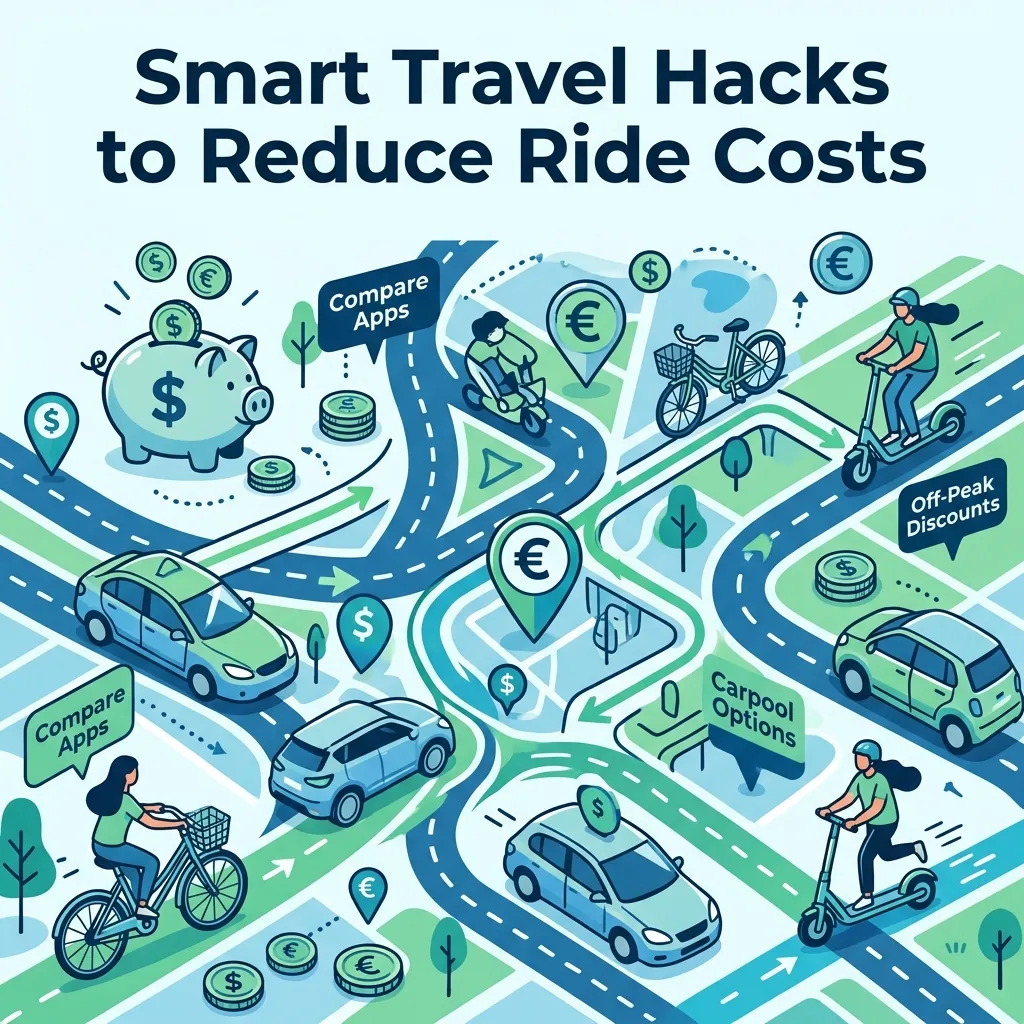
There is a lot of misinformation and urban legends out there about how to “hack” the pricing algorithm. Let us clear up what actually works and what is pure fiction when figuring out when is Uber cheapest.
Incognito Mode Affecting Prices
Many people fiercely believe that closing the app or using your phone’s incognito mode stops the app from tracking your interest and thereby prevents the price from rising. This is largely a myth. Prices are based on overall network supply and demand in a specific geographical zone, not your individual browsing behavior.
Driver’s Impact on Fare
Your specific driver does not set the price of your ride. The central algorithm dictates the exact fare you see on your screen. Therefore, asking a driver for a discount or trying to negotiate the price in the car will not work, as they do not control the app’s corporate billing system.
Repeatedly Checking the App
Another common myth is that repeatedly opening and closing the app to check the price signals high demand and causes the algorithm to raise the fare on you specifically. While the overall demand in the area dictates the price, your individual screen refreshes do not carry enough weight to trigger a surge independently.
Conclusion
Mastering the rideshare algorithm requires a mix of flexibility, geographical awareness, and smart app usage. Understanding the micro-economics of supply and demand is the ultimate key to knowing when is Uber cheapest.
Recap of Key Strategies
To summarize when is Uber cheapest: target off-peak rides during mid-mornings or early afternoons, walk a few blocks away from busy venues to successfully utilize surge pricing avoid tactics, leverage shared rides for maximum efficiency, and always check alternative apps and local transit methods before confirming your trip.
Encouragement for Smart Riding Habits
By applying these detailed strategies, you are no longer at the mercy of the digital algorithm. You can take full control of your daily transit budget by making highly informed, calculated decisions about exactly when and where you request a car.
Final Thought: Balancing Cost and Convenience
Ultimately, the goal is finding the perfect sweet spot between saving your hard-earned money and saving your valuable time. Sometimes paying a little extra premium is entirely worth it to avoid standing in the freezing rain, but for everyday, routine travel, prioritizing an Uber cheap time and embracing weekday ride fares will keep your personal finances healthy and robust over the long term.
Frequently Asked Questions
What exact factors determine when is Uber cheapest?
The price drops when there are significantly more drivers on the road than there are riders requesting trips. This usually happens during standard work hours when overall demand is extremely low, street traffic is incredibly light, and weather conditions are clear, mild, and favorable for walking.
Does the day of the week impact weekday ride fares?
Yes, the middle of the week is generally much cheaper than the chaotic weekend. Tuesdays and Wednesdays see far fewer major social events and nightlife gatherings, meaning rider demand drops significantly, providing excellent, reliable opportunities for affordable off-peak rides.
How can I reliably secure an Uber cheap time for my commute?
If you have a flexible work schedule, try leaving for the office shortly after the hectic morning rush entirely ends, or heading home before the frantic evening scramble officially begins. Adjusting your daily commute by just a short 30-minute window can consistently yield massive financial savings over a month.
Why do prices spike so heavily during a simple rainstorm?
Rain rapidly forces pedestrians and regular public transit users to seek comfortable, dry transportation all at once. This sudden, massive influx of immediate ride requests rapidly overwhelms the available drivers in the area, triggering the automated algorithm to initiate heavy surge pricing immediately to restore balance.
Is it actually cheaper to select shared off-peak rides?
Yes, selecting a shared vehicle option during a time of low demand brilliantly stacks two different, highly effective savings methods. You get the immediate benefit of a lower base algorithm price while also splitting the underlying operational costs with another passenger who is heading in the exact same geographical direction.
Does walking a few blocks really help surge pricing avoid tactics?
Absolutely, it is one of the most effective strategies. Surge zones are strictly mapped to specific geographical boundaries like a stadium, a concert hall, or a busy airport terminal. Walking a very short distance can easily move your GPS pin completely outside of this invisible digital fence, dropping the expensive premium charge entirely.
Will checking the app repeatedly cause my fare to go up?
This is a very common, persistent myth, but your individual screen refreshing does not directly trigger a personal price hike. Fares increase purely because the overall network demand is organically rising in your broader area, meaning dozens or hundreds of other people are requesting rides simultaneously alongside you.
Are scheduled rides protected from dynamic pricing increases?
In most standard cases, scheduling simply dispatches an automated request at your chosen time, meaning you still pay the active market rate at that exact future moment. If a severe surge is happening when your scheduled pickup time arrives, you will generally be charged that higher, premium price regardless of booking early.
When is Uber cheapest for traveling to the local airport?
Airport rides are consistently most affordable when you travel during very quiet, off-peak flight periods, usually the mid-morning or early afternoon hours. Avoiding the incredibly heavy early morning business traveler rush and the late evening mass arrival rush is absolutely key to saving money on terminal drop-offs.
Should I always use rideshare instead of local public transit?
Not necessarily, as rideshare offers premium, door-to-door convenience while public transit almost always wins on pure financial cost. It is highly recommended to frequently compare the current, real-time app fare against your local transit options, especially during a heavy surge, to consistently make the absolute smartest financial choice.
